Look up Saturday to celebrate International Observe the Moon Night

Join in the celebration of lunar science and exploration, and of the Moon in arts and culture.
Eyes to the sky on Saturday night, and turn your focus to our closest celestial neighbour to celebrate International Observe the Moon Night.
With the Moon being our near-constant companion in the sky, unless there's something particularly unusual going on like an eclipse, it's easy to overlook its presence.
However, looking up at the Moon can connect you to the rest of humanity on this planet and above it in a way that few other things can. It may appear slightly different from different parts of the world — rotated or even completely turned 'on its head' by comparison — but it is the same Moon, shining down on us all.
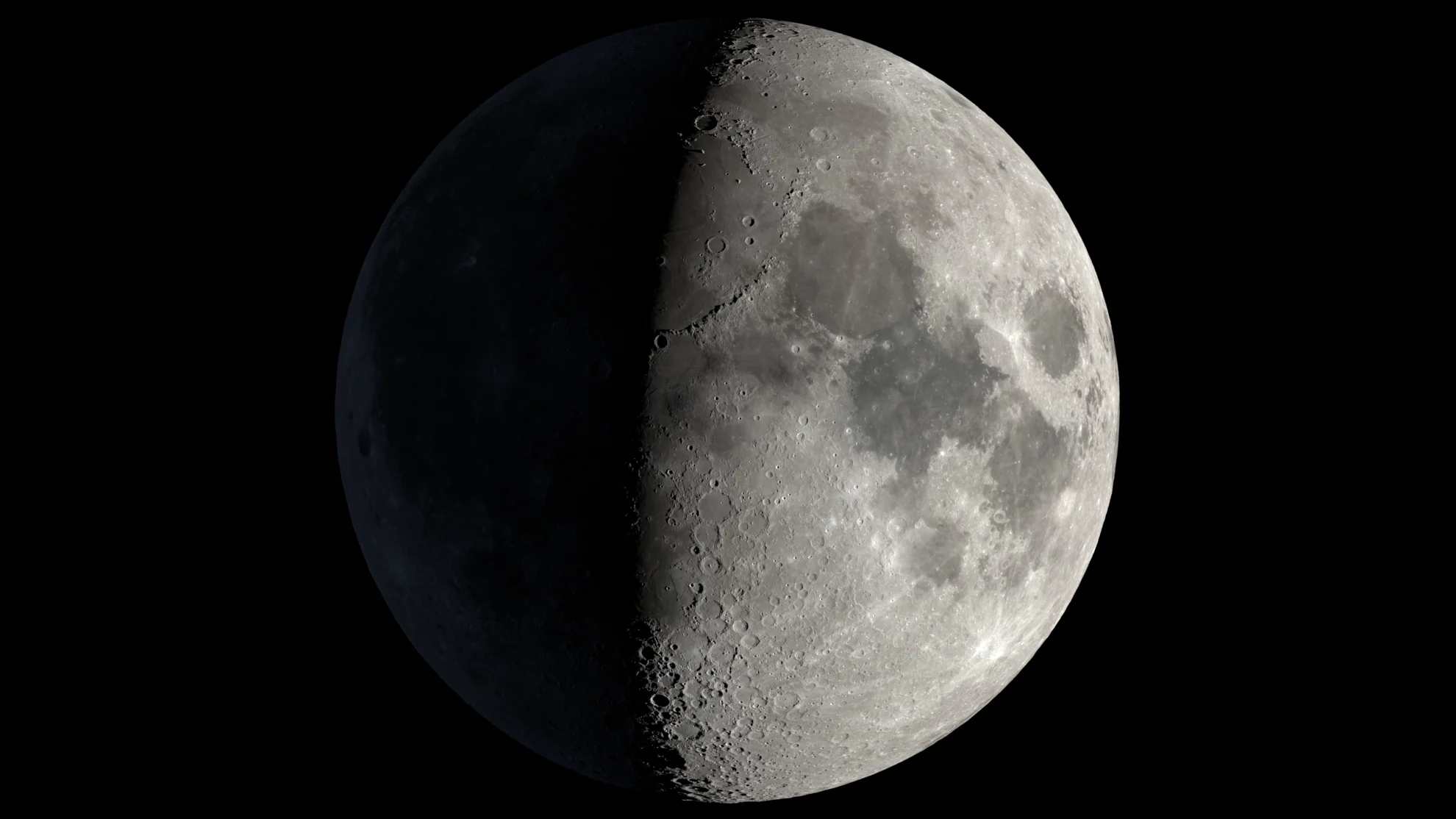
The Waxing Crescent Moon for September 19, 2026, composed of images gathered by NASA's Lunar Reconnaissance Orbiter. (NASA SVS)
One night a year, astronomers and space enthusiasts alike all come together, to look up and celebrate this remarkable companion to our home planet. This year, that night falls on Saturday, September 19.
It's science: Why September 1st is the start of meteorological fall
According to NASA, International Observe the Moon Night is a worldwide celebration of lunar science and exploration, and of the Moon in arts and culture.
"Each year, everyone on Earth is invited to observe and learn about the Moon together, and to honour cultural and personal connections with our nearest celestial neighbour," the space agency says.
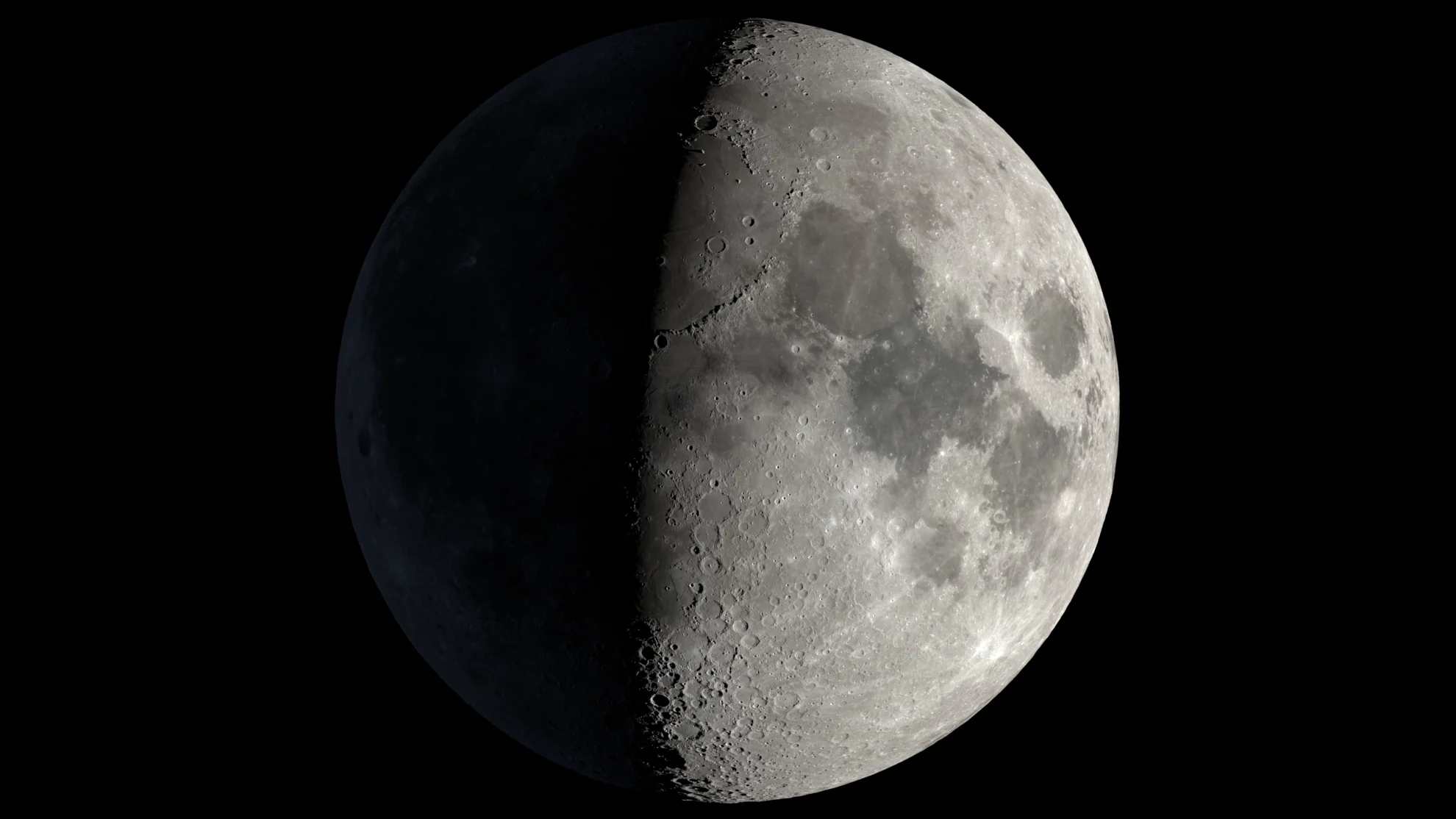
On Saturday, the Moon will rise in the late afternoon, around 4 p.m. local time. It will be in its Waxing Gibbous phase that night, just one week or so before the next Full Moon. Roughly 60 per cent of the Earth-facing side of the Moon will be illuminated by the Sun, with the rest in shadow.
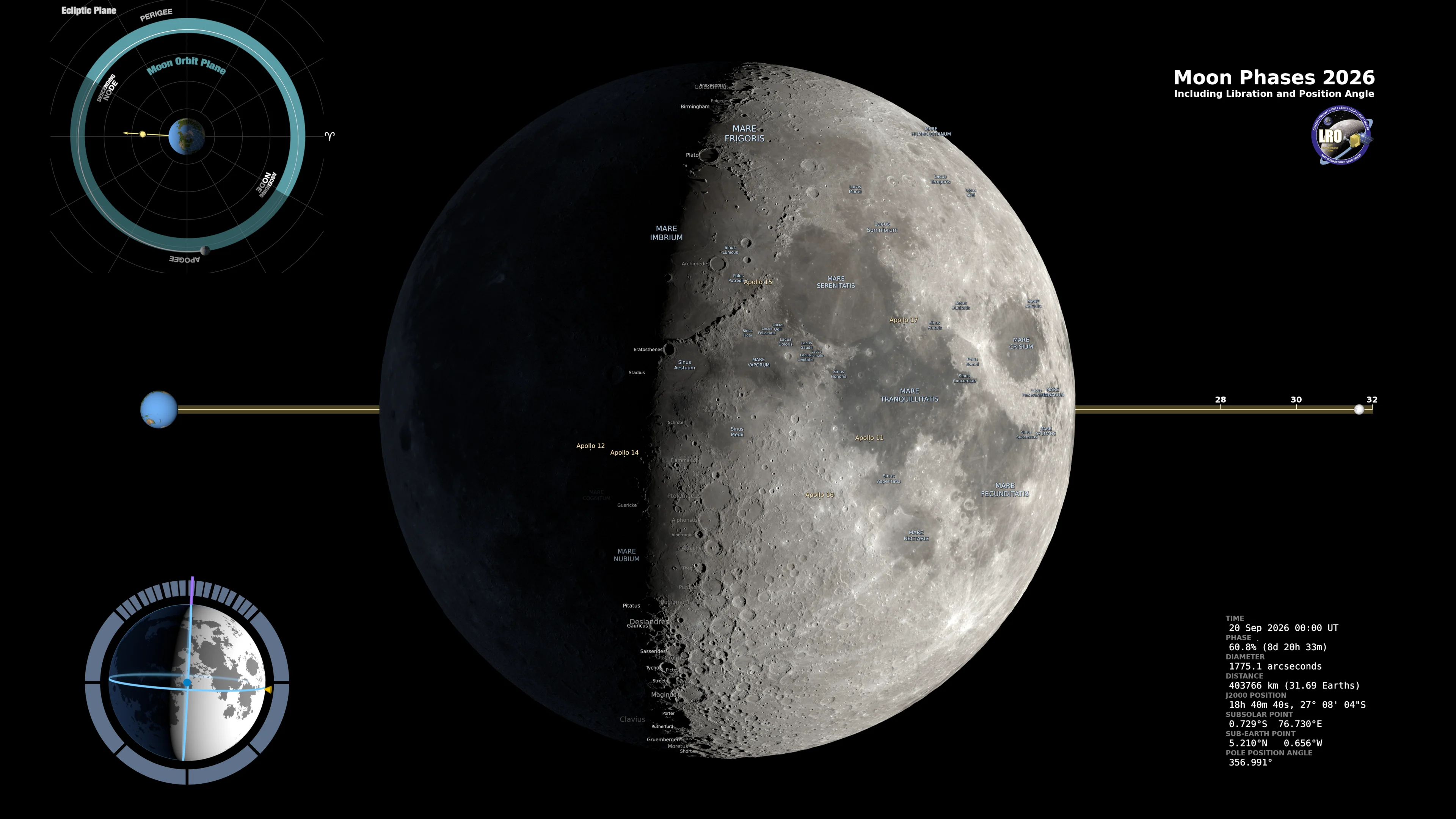
The Moon on the evening of September 19, 2026, with details regarding the visible mare and craters, as well as the Apollo landing sites. (NASA SVS)
The above graphic shows the phase of the Moon that we can expect to see on Saturday night. Click or tap here for a zoomable version of the infographic, to see names of the craters highlighted by shadows near the terminator between night and day, as well as the visible mare and the locations of the Apollo mission landings. Also included are details on the position of the Moon in its orbit, its distance from Earth, and the locations of the subsolar and sub-Earth points.
There are numerous ways to celebrate this 'lunar appreciation day'.
We can simply pause for a few moments to take in the Moon's splendor in the night sky, or get a closer look through binoculars or a telescope, or even photograph the Moon to share our observations with others.
If the sky is too cloudy to see the Moon on Saturday night, there are other ways to participate.
NASA's lunar playlist on YouTube includes videos from the Artemis 2 mission, and discussions of the agency's plans for a Moon base. Or, check out the Canadian Space Agency's page on the Moon, and learn about our country's involvement in the exploration of the Moon and the lunar surface.
Also, the best images taken by the Artemis 2 crew on their flight around the Moon in April are available on NASA's website. Plus, we can take a self-guided tour of the lunar surface using the image gallery from the Lunar Reconnaissance Orbiter Camera (LROC).
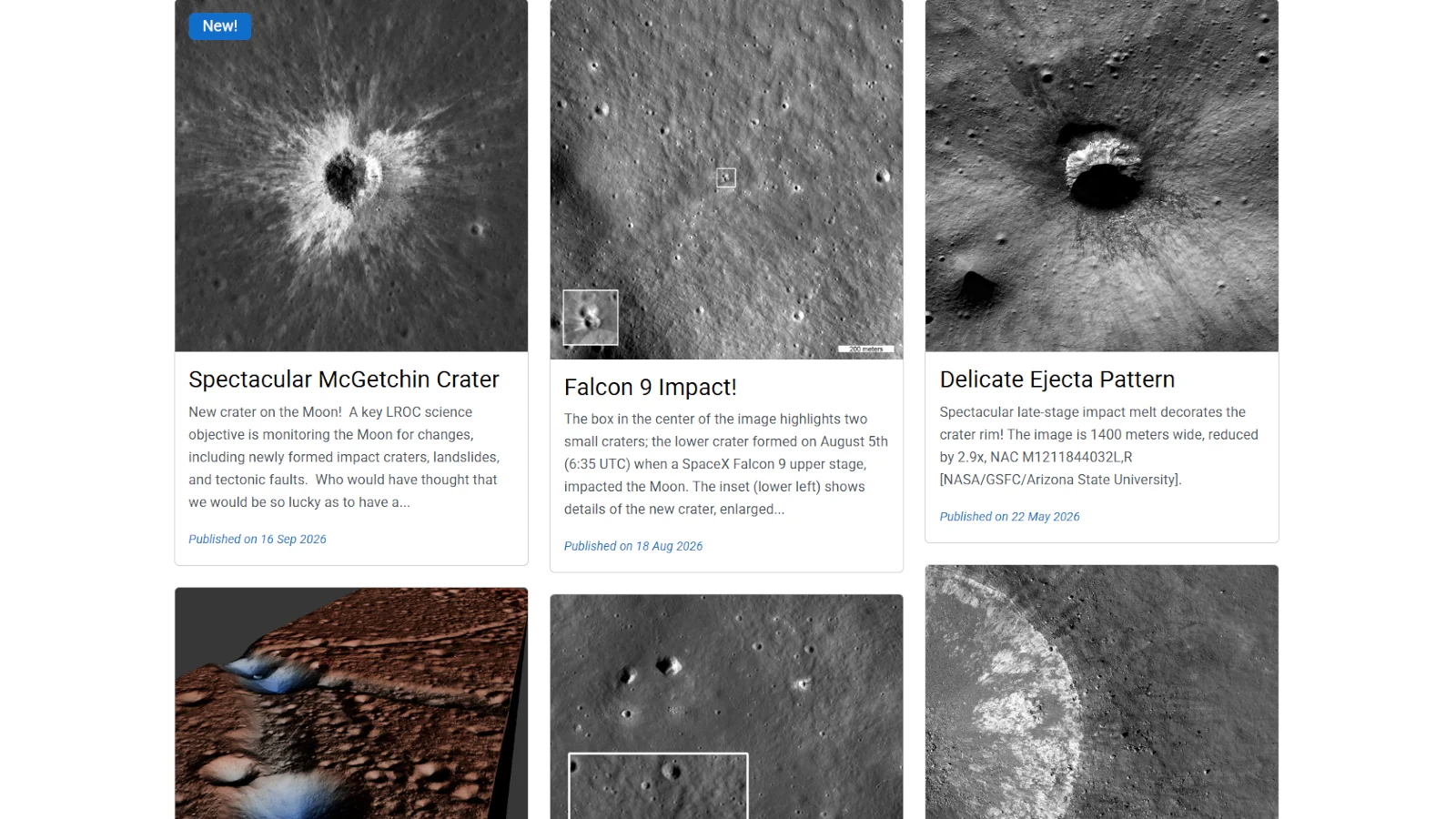
A screenshot of the LROC website, showing six of the nearly 1,000 images posted there, highlighting different interesting features of the Moon's surface captured by LRO over the years. (NASA/GSFC/LROC)
COPY, MOON JOY: Keep the Moon Joy alive with over 12,000 new photos from Artemis 2