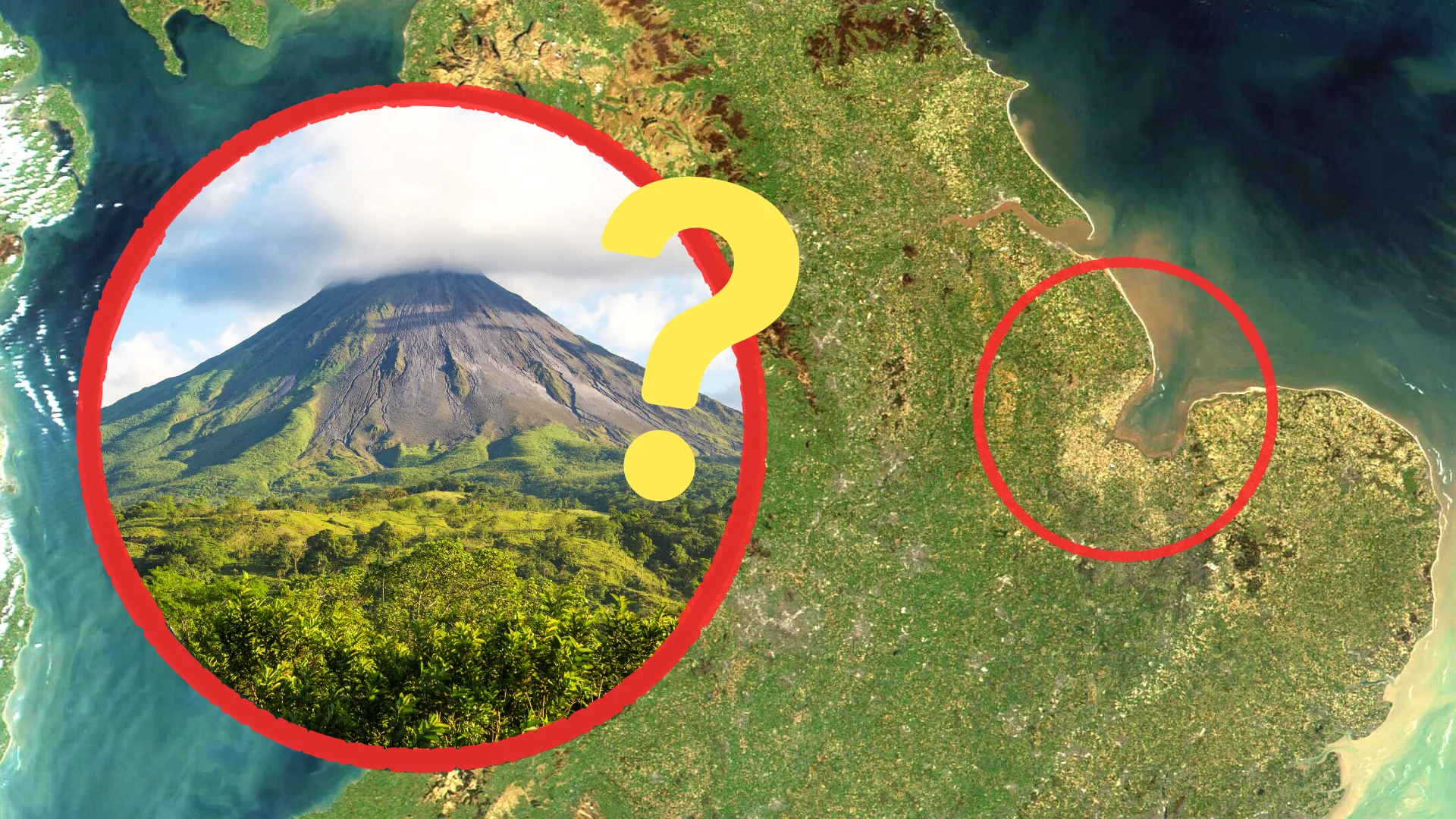
A “new” supervolcano has been found lurking beneath England

The ancient volcano is estimated to be around 454 million years old and erupted long before even dinosaurs walked the Earth.
When you hear the term “supervolcano,” you probably think of the Yellowstone volcano in Wyoming. However, another volcano can be added to the super list, as scientists at the British Geological Survey (BGS) have uncovered evidence of an ancient supervolcano lurking beneath eastern England.
The discovery was made while BGS scientists searched for the source of the Kinnekulle tephra, a massive layer of ash that spreads across Scandinavia, including Norway, Sweden, the Baltics, Belarus, and Poland.
SEE ALSO: Gulf Stream goes Canadian: It’s happened before and it could again
Scientists found tiny zircon crystals in boreholes drilled in Lincolnshire and Norfolk, which form within magma leading up to a volcanic eruption. These crystals were dated to be from about 454.4 million years ago—the same age as the ash layer being investigated.
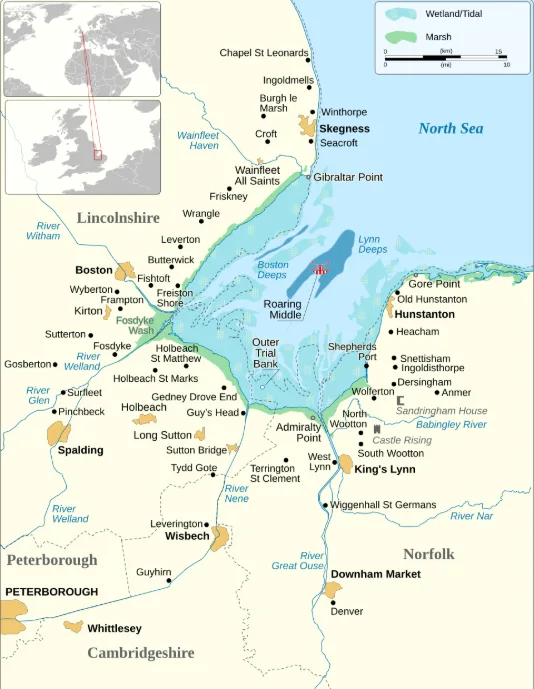
Map of The Wash region in eastern England (Credit: Goran_tek-en (CC BY-SA 4.0))
This discovery has led scientists to believe that the massive ash layer is a result of what could be one of the world’s largest volcanic eruptions. The origin of the eruption? A hidden supervolcano under The Wash on England’s east coast.
“During the highly explosive ‘super-Plinian’-type eruption, hundreds of cubic kilometres of rock were launched into the stratosphere by the force of the blast,” the BGS wrote in a press release on Aug. 28.
DON'T MISS: Hold on to your hats: Yellowstone team finds bizarre items while tidying up
There are currently only 20 known “active” supervolcanoes on Earth. To become classified as a supervolcano, the volcano must have a history of erupting at a magnitude-eight on the volcanic explosivity index (VEI)—a logarithmic scale that measures the magnitude and intensity of a volcanic eruption, with zero being the weakest and eight being the strongest.
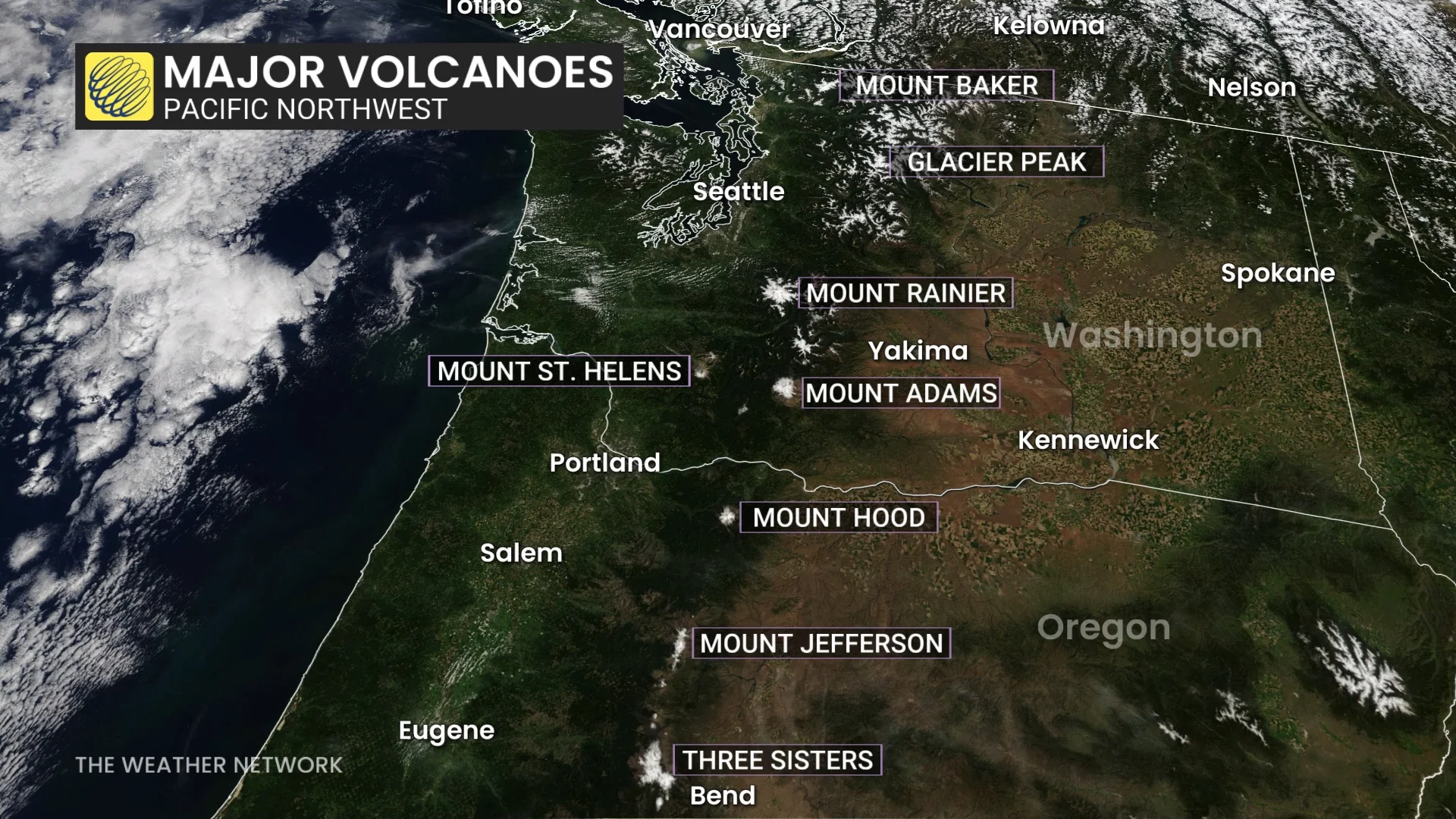
For context, the Mount St. Helens eruption in 1980, the deadliest and most destructive volcanic eruption in North America’s modern history, was a magnitude-five on the VEI. A supervolcano's eruption would be at least one hundred billion times more powerful than that.
Luckily, this newly-discovered ancient supervolcano has long since gone extinct, and folks don’t need to worry about whether it will erupt again.
Thumbnail image created using file photos via Canva Pro.