Wildfire evacuations can be stressful. Here's how you can prepare

Wildfire season has officially started in Alberta. As the snow starts to melt, people are starting to wonder: Will I have to evacuate this year?
Over the last 10 years, there have been several large-scale evacuations due to wildfires in Alberta, including Fort McMurray in 2016 and Jasper in 2024.
RELATED: Is Alberta ready for wildfire season? Assessing the risk for what's ahead
Melanie Galea said she “wasn’t prepared,” when she evacuated Fort McMurray during the Horse River Fire.
“When your brain becomes stressed, your logic goes out the window,” Galea said.
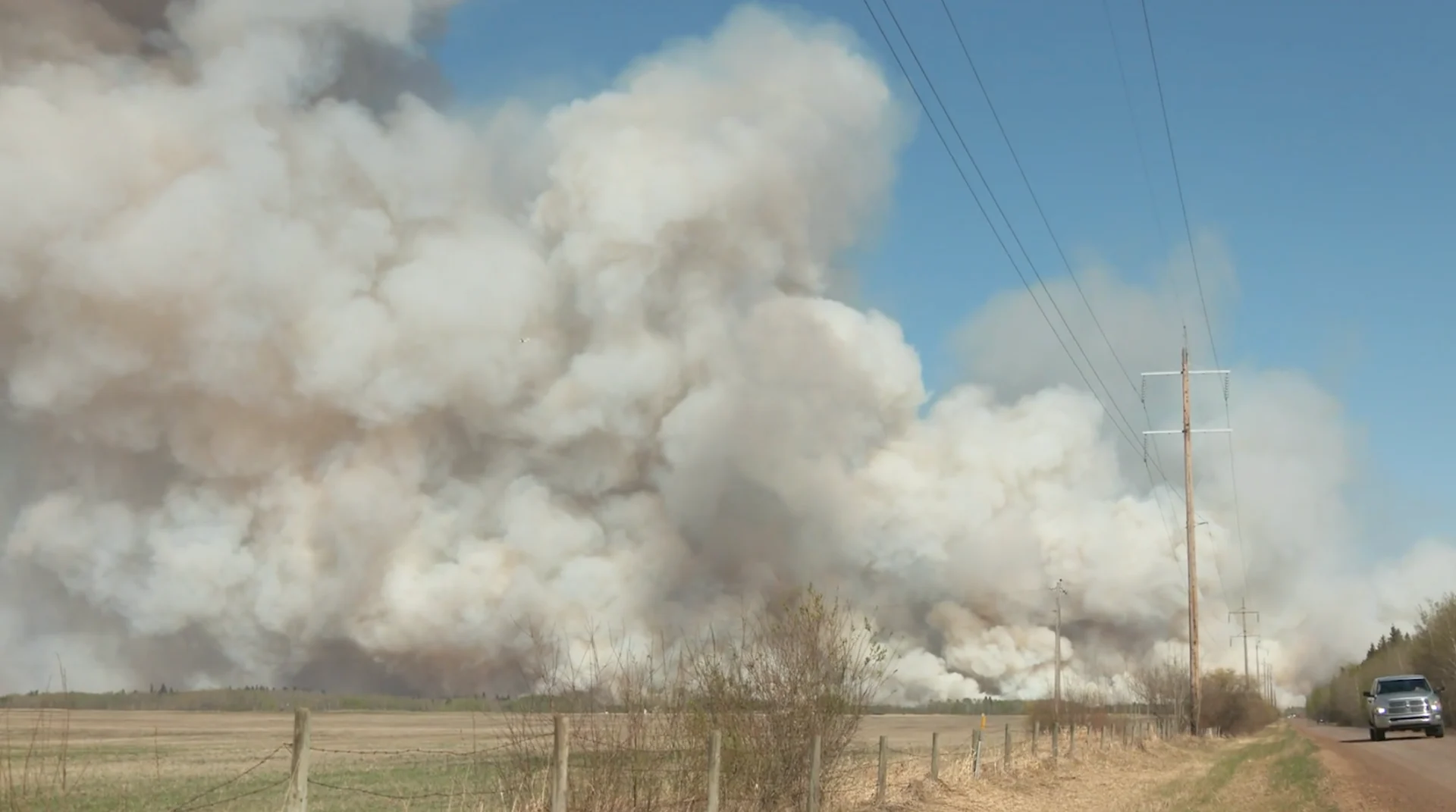
Sturgeon County wildfire. Alberta. May 7, 2025. (Connor O'Donovan/The Weather Network)
That was seen in her packing choices: her winter coat and boots, and the bulk blocks of cheese she had recently purchased from Costco. She forgot to take her Christmas ornaments, which are her most prized possessions, and photos along with her.
Now Galea plans for wildfire season every year. She pays close attention to what is happening. She packs a bag and has plans for her two cats in case anything goes wrong.
What is a go-bag?
Packing a go-bag for emergencies is recommended by many experts.
There have been numerous evacuations in Alberta in the last decade, including 88,000 people evacuating 2016, 38,000 people in 2023 and 23,000 people in 2024, according to statistics from the Alberta's Ministry of Public Safety and Emergency Services.
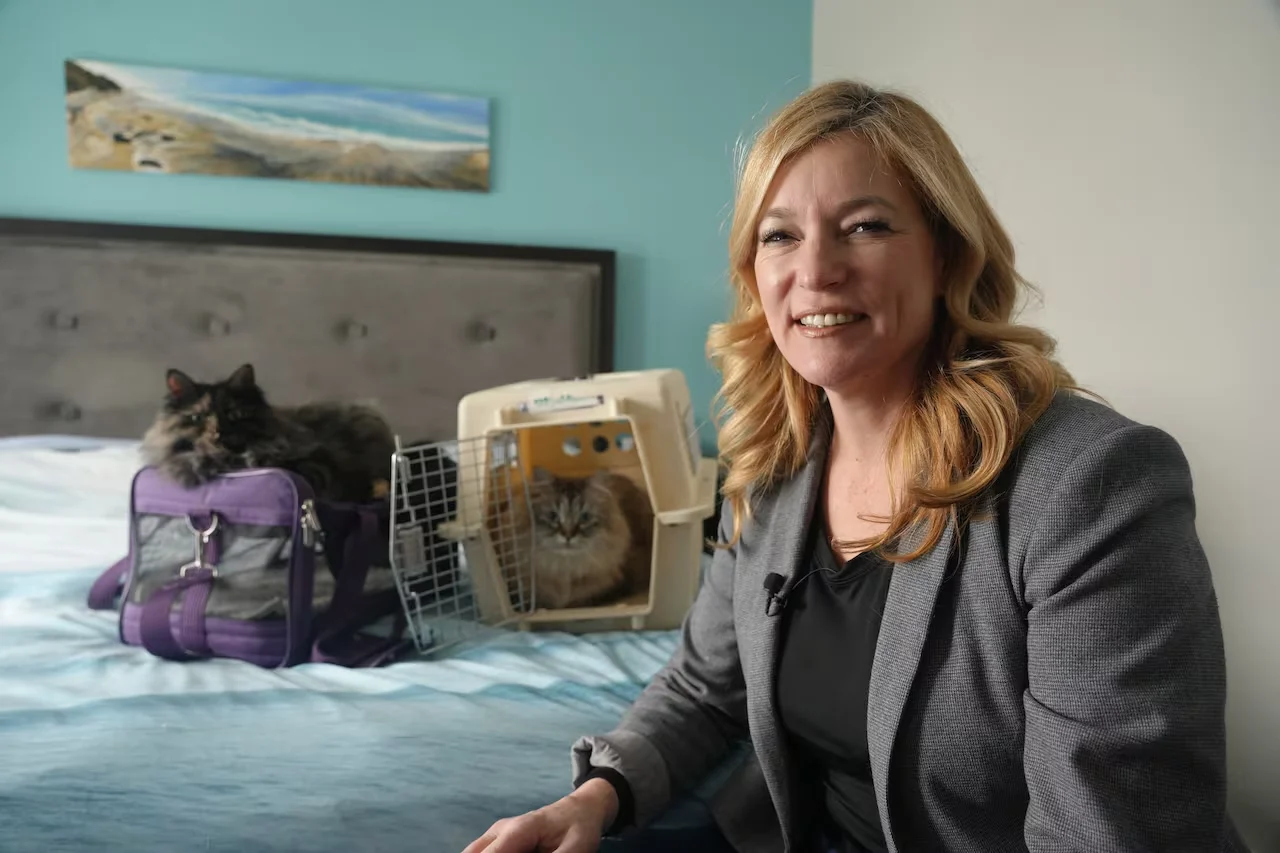
Melanie Galea evacuated Fort McMurray in 2016, and she says nowadays she's much more prepared after having experienced an evacuation once before. (Jamie Malbeuf/CBC)
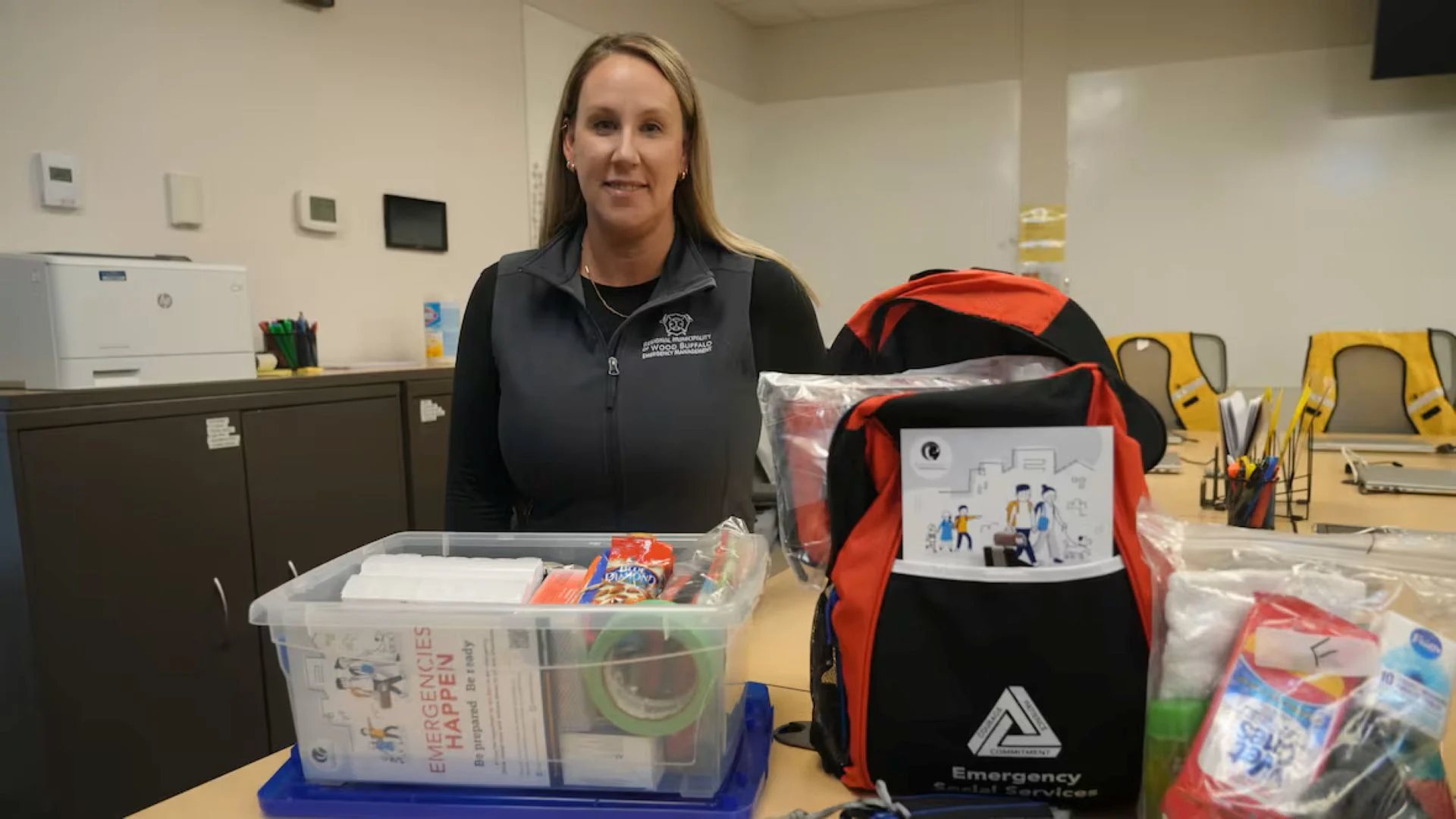
Julie MacEachern, an community emergency management plans advisor for the Regional Municipality of Wood Buffalo, was a first responder in Fort McMurray in 2016. She said the biggest mistake people made while evacuating was assuming they had time to pack.
The Government of Alberta preparedness survey in 2025 assessed just over 1,600 Albertans to find out how prepared people feel for different hazards. In 2025, 44 per cent of respondents said they felt unprepared for emergencies.
There are lists on the Regional Municipality of Wood Buffalo’s Emergency Preparedness page, including information about checking insurance, auditing homes for safety and how to pack a go-bag for emergencies.
A pack should meet the needs of a person, their family and pets and include critical documents, medications and animal supplies, said MacEachern. A kit should also include 2 to 4 litres of water per person per day in addition to food. People could pack games and toys to keep children occupied and charging banks for electronic devices, she said.
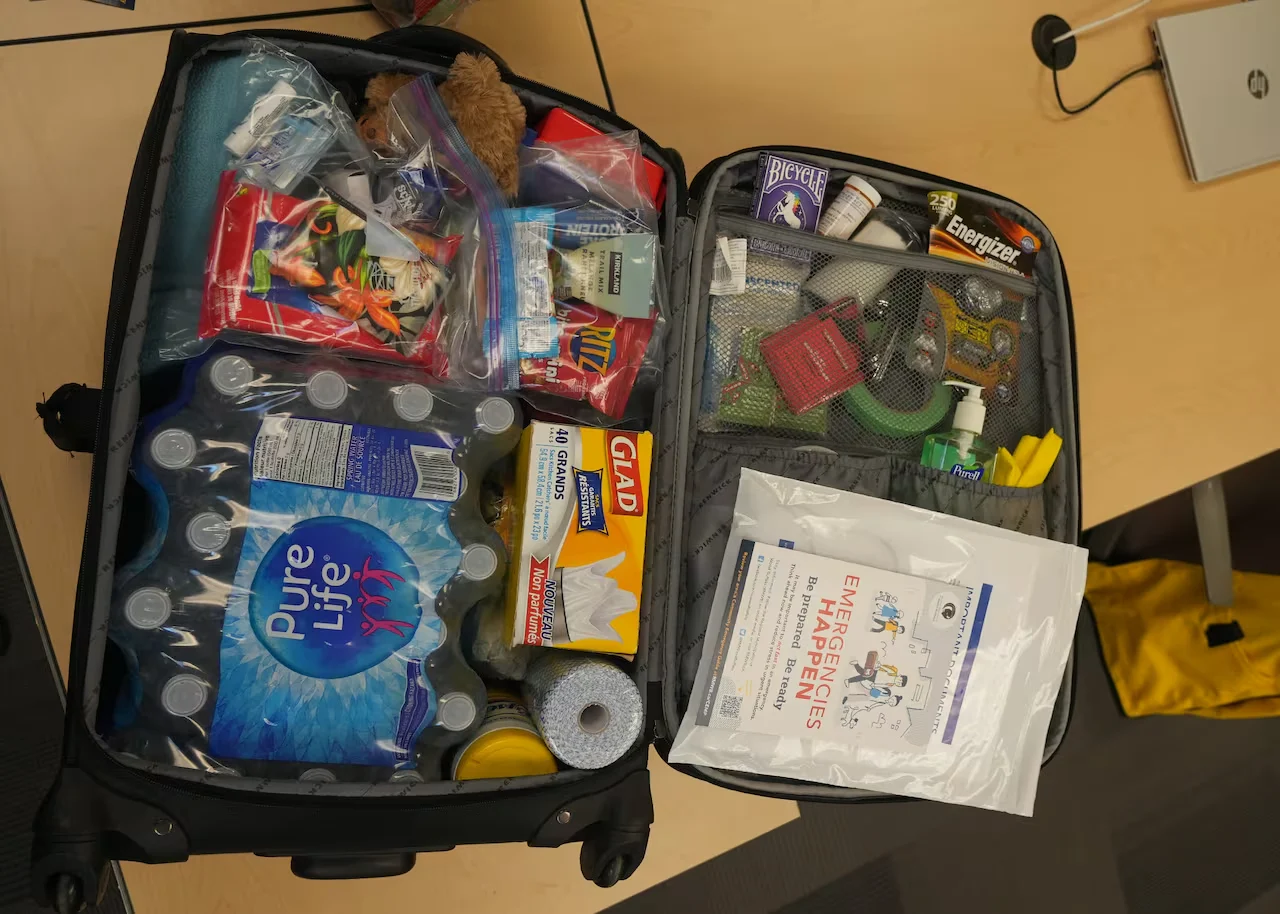
Experts say go-bags should include enough food, water and medication for at least three days. (Jamie Malbeuf/CBC)
“Just something to keep you going for at least three days,” MacEachern said.
She also said it's important to keep family vehicles filled with gas or charged to at least halfway.
Keeping your home safe
Bryce Kumka, a partner at Acera Insurance, suggests people have a content inventory of their homes. That could be as simple as walking around the house with a phone, videotaping the contents and talking about what’s there.
“It’s very difficult to remember after the fact what you actually had,” Kumka said. “Building that inventory list from a video document is a lot less cumbersome than having to do it from memory, because you will forget.”
Kumka said people should practice fuel-reduction by clearing the area outside of their homes to prevent wildfire spread.
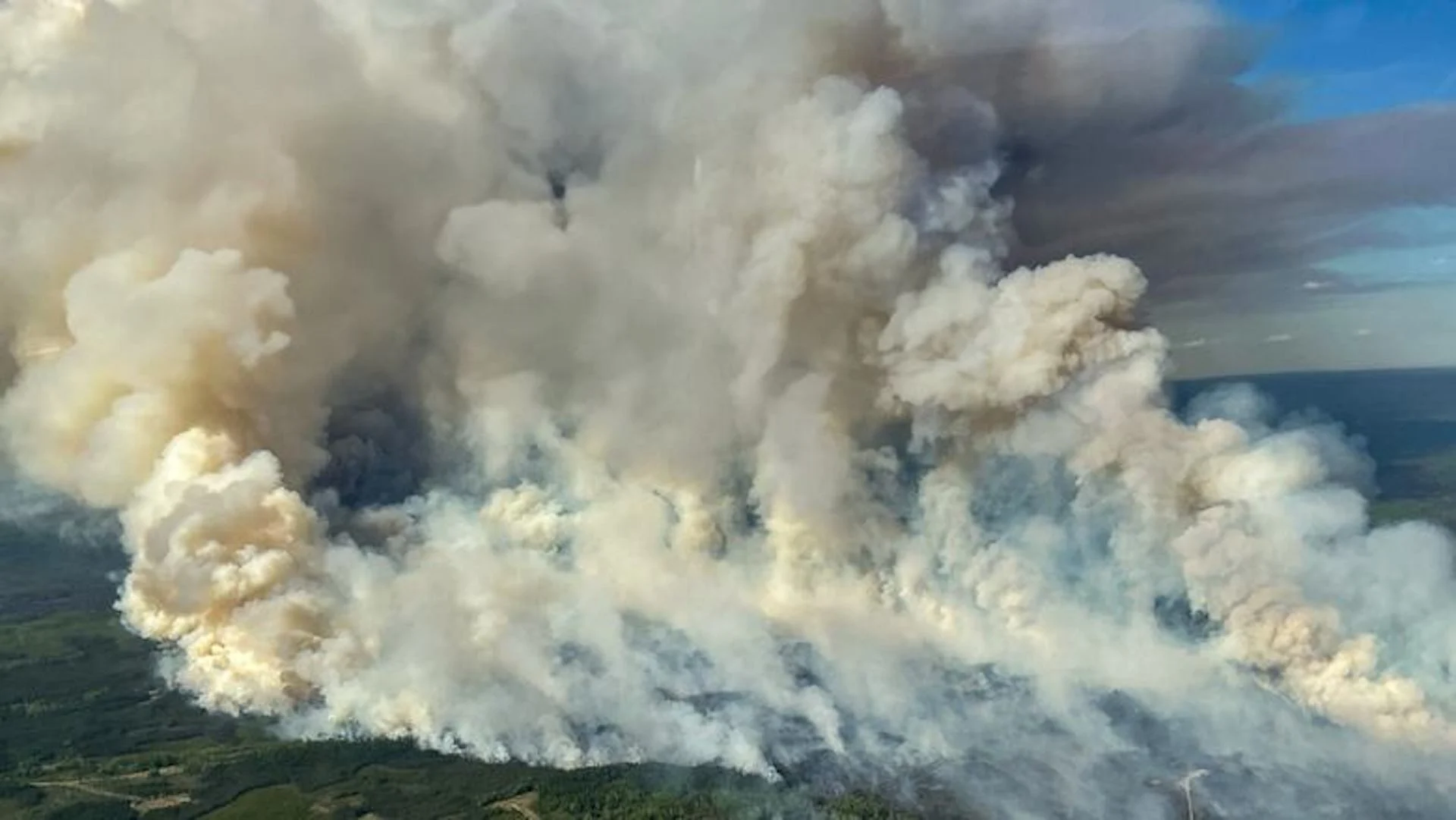
(Alberta Wildfire via CBC)
People should also ensure they have insurance and will be covered during wildfire season, said Kumka. He said people can’t get insurance during a wildfire event and that there were cases during the 2016 wildfire where people didn’t renew their insurance.
Stephen Lacroix, managing director for the Alberta Emergency Management Agency, said his first piece of advice is to have emergency plans for natural disasters beyond wildfires.
“There’s other risks out there,” he said.
Lacroix noted there are emergency preparedness checklists written in 10 different languages on the province's website. He also suggested knowing where you would meet up with family members in case of an emergency.
“The better prepared you are, the less stressed out you’re going to be.”
Thumbnail courtesy of Jamie Malbeuf/CBC.
The story was originally written by Jamie Malbeuf and published for CBC News.