Twisters in Winnipeg this summer debunk myth that they don't hit cities: Experts

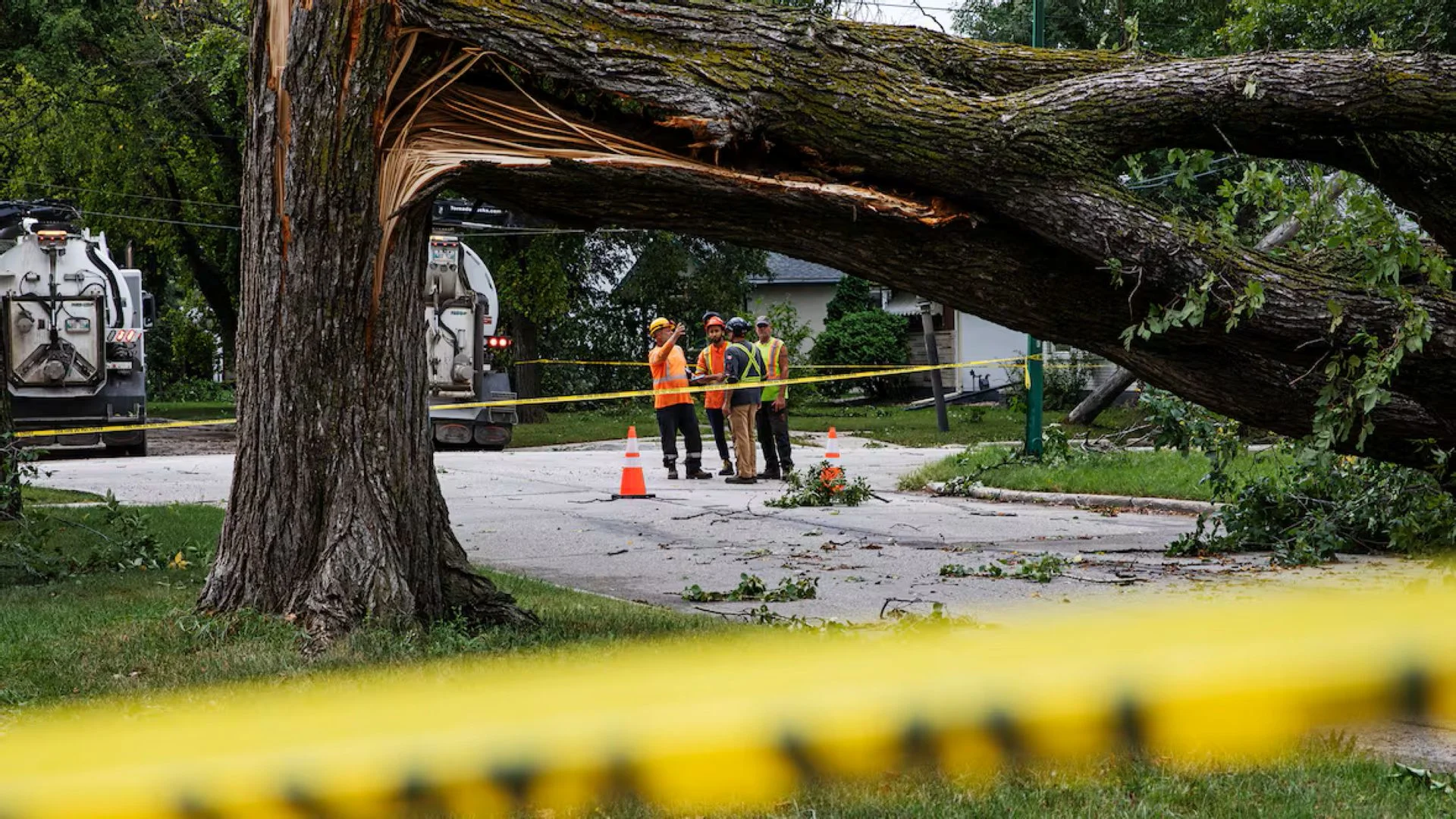
If you believed living in a city shielded you from life-threatening tornadoes, the sister twisters that hit Winnipeg this summer are a reminder that's just a comforting myth.
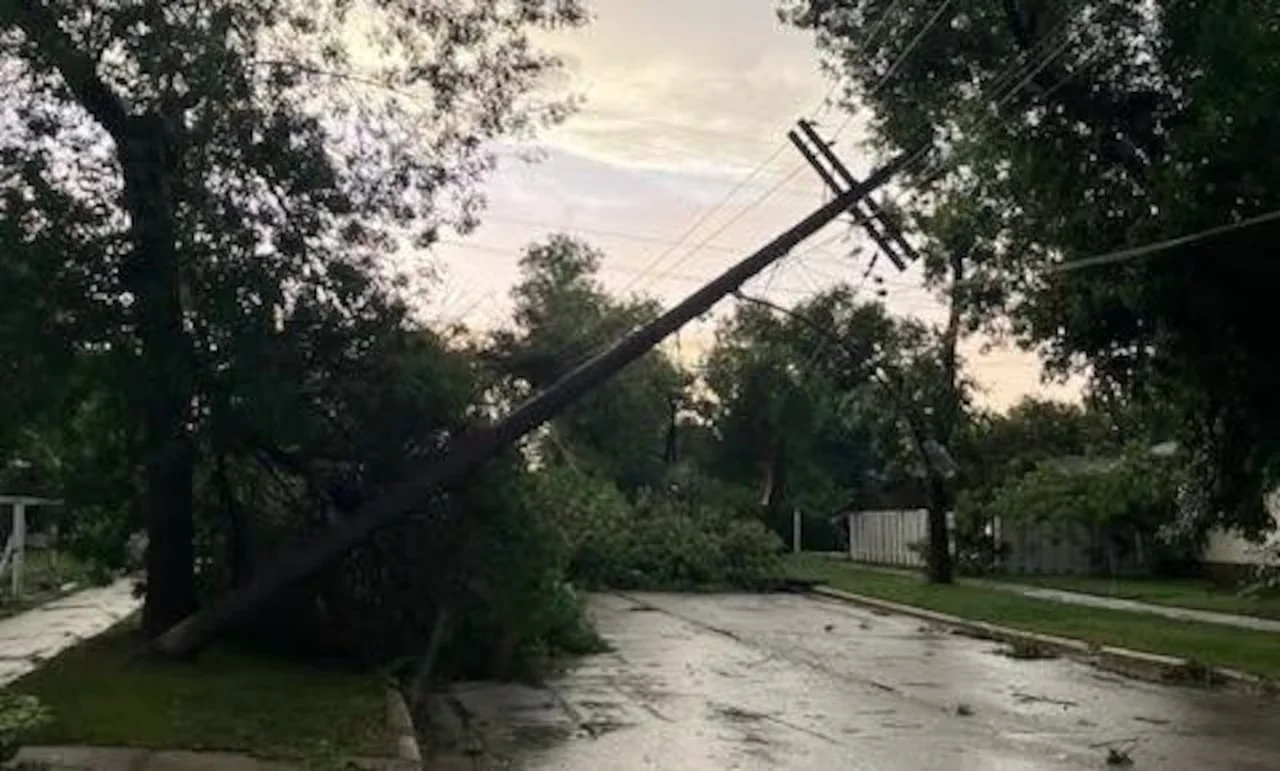
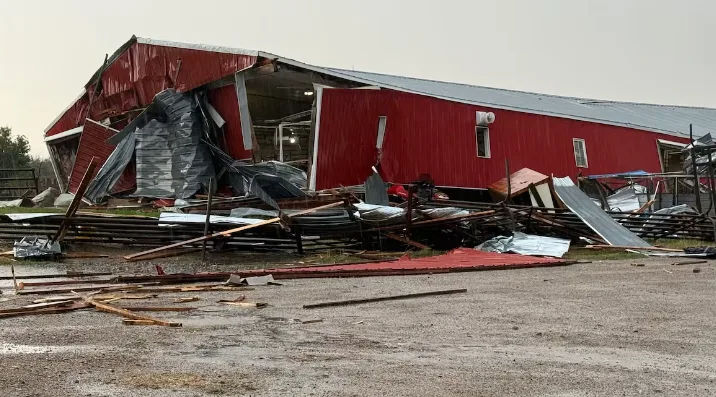
Manitoba has had nearly twice as many tornadoes this year as usual, including two EF-1-rated tornadoes that left trails of destruction in Winnipeg's Fort Whyte area on June 29 and in River Heights last Sunday.
"A city is just as vulnerable as a rural area," said Dylan Painchaud-Niemi, a research meteorologist with the Northern Tornadoes Project, who confirmed the tornado touchdown in River Heights by assessing the damage on the ground.
(Manitoba Hydro/Facebook)
"It's rare for a tornado to hit any one single point anywhere across Canada or North America … but it's something you have to keep in mind."
Looking just about as far back as the data goes, the Winnipeg tornadoes this summer were the first to hit the city with the EF-1 classification — the second-lowest rank on the Enhanced Fujita scale used to categorize tornado severity, but indicating wind speeds of 135-175 km/h.
So what caused them, and are they signs that more tornadoes could be on the horizon within city limits?
"We have good data back to 1980 and there hasn't be an EF-2 tornado recorded, or higher, in Winnipeg since that time," said Dave Sills, executive director of the Northern Tornadoes Project, which is based out of Western University in London, Ont.
"It's actually surprising."
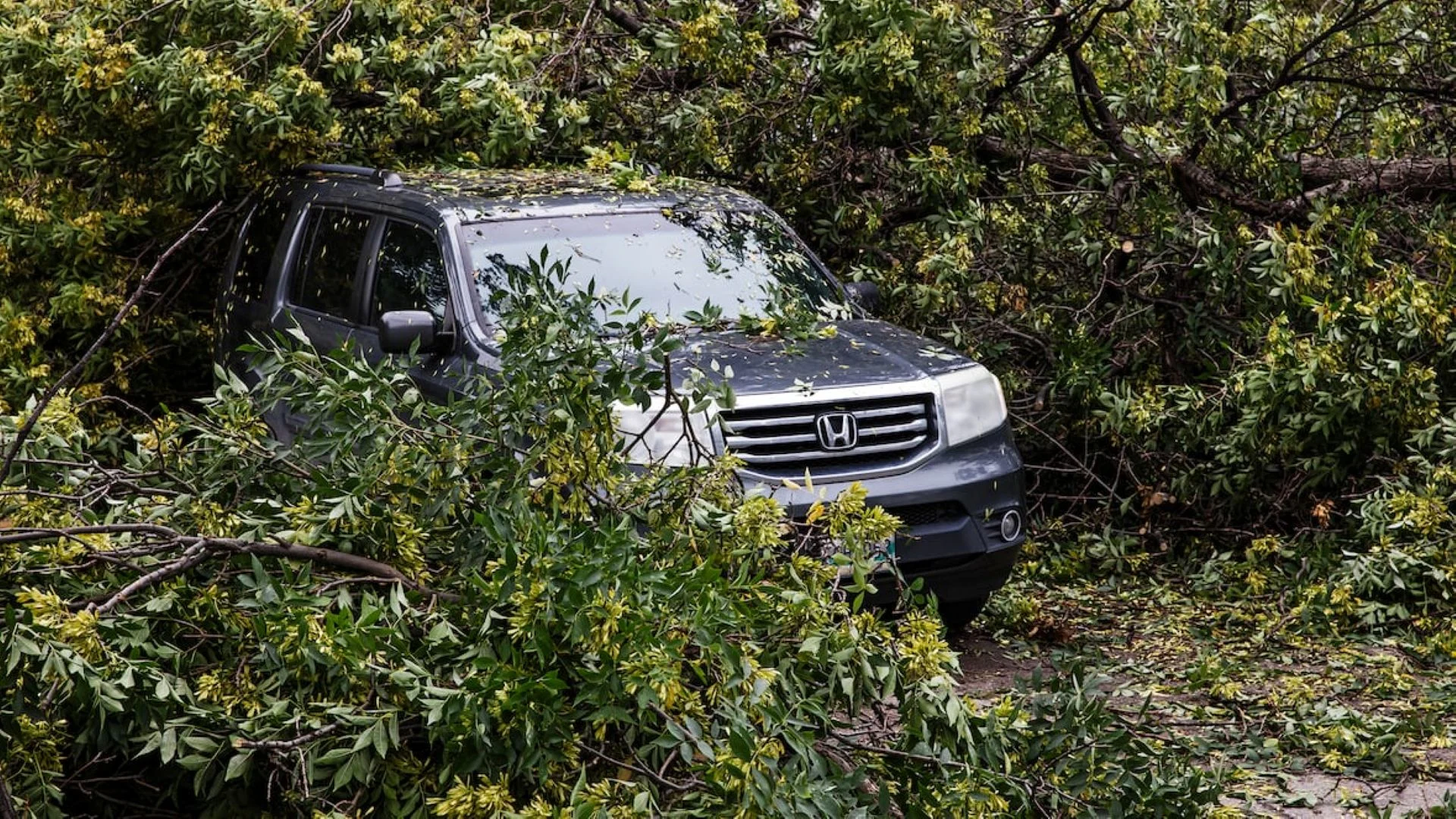
The storm last Sunday night caused severe damage in a couple of Winnipeg neighbourhoods, bringing down large trees and power lines. (Prabhjot Singh Lotey/CBC)
Manitoba averages about nine tornadoes per year, according to 30-year climatological data, but there have been 15 confirmed this year, said Sills.
"It's been very busy tornado-wise on the Prairies, and even nationally we're well over our average," he said.
"Certainly a September EF-1 in Winnipeg is not something that's been common in the past."
That said, Sills thinks it's probably just chance that the city hasn't been hit by stronger tornadoes before this summer.
"Winnipeg's been lucky since just about 1980," he told Information Radio host Marcy Markusa in a Friday interview.
(Submitted by Pat Siemens via CBC)
"It's not like tornadoes can't hit cities. I think there's a myth out there that that's the case."
Most of the time they just happen to occur in less populated zones like Elie, Man. — which in 2007 became the site of the only F-5 tornado ever recorded in Canada on the Fujita scale (a system since replaced with the enhanced Fujita, or EF, scale). It destroyed buildings, but no one was killed.
That may be another reason behind the common, if incorrect, assumption that urbanites are entirely safe from tornadoes.
Sills pointed to far more devastating tornadoes that killed 27 in Edmonton in 1987 and eight in Barrie, Ont., in 1985.
He suggests urban sprawl may also be a factor for any potential uptick in tornado strikes on urban centres like Winnipeg moving forward.
"We see the impacts of these tornadoes are increasing because … the people affected are spreading out," and infrastructure spreads out along with them, said Sills.
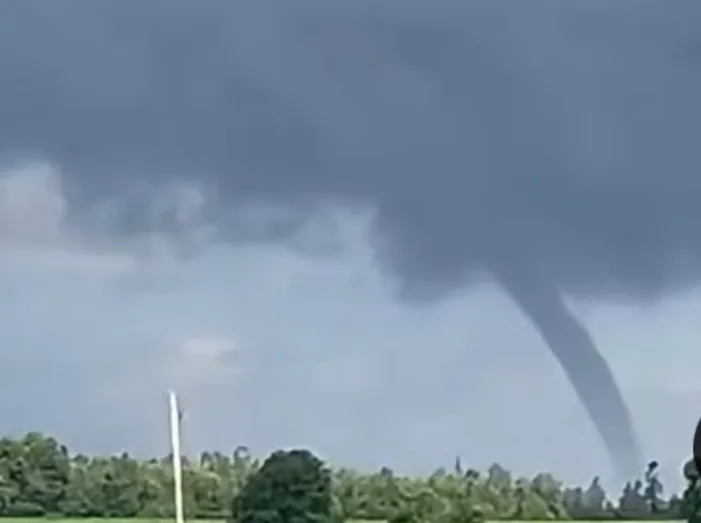
(Lorelei Pauley/Submitted via CBC)
He also acknowledges this summer has been unusual, however, and Canadians in general can likely expect more severe weather in the future.
"This is one thing we do expect with climate change, is that as the atmosphere warms we're going to see the storm season begin earlier [and] end later," he said.
"That means not only more chance for severe storms and tornadoes through the year, but we're going to be seeing events earlier in the year and later in the year."
Thumbnail courtesy of Prabhjot Singh Lotey/CBC.
The story was originally written by and published for CBC News. It contains files from Emily Enns and Matthew Humphrey.