
Tips to stay safe during a flash flood as peak season draws near

Flash flooding on the rise in Atlantic Canada, devastating roads and bridges
While thunderstorms are less frequent in Nova Scotia than in central or western Canada, recent flash flooding events have raised serious concerns.
Heavy downpours, combined with snowmelt, have caused significant road damage, as seen in Pictou County, where flooding completely washed away the ground beneath a roadway.
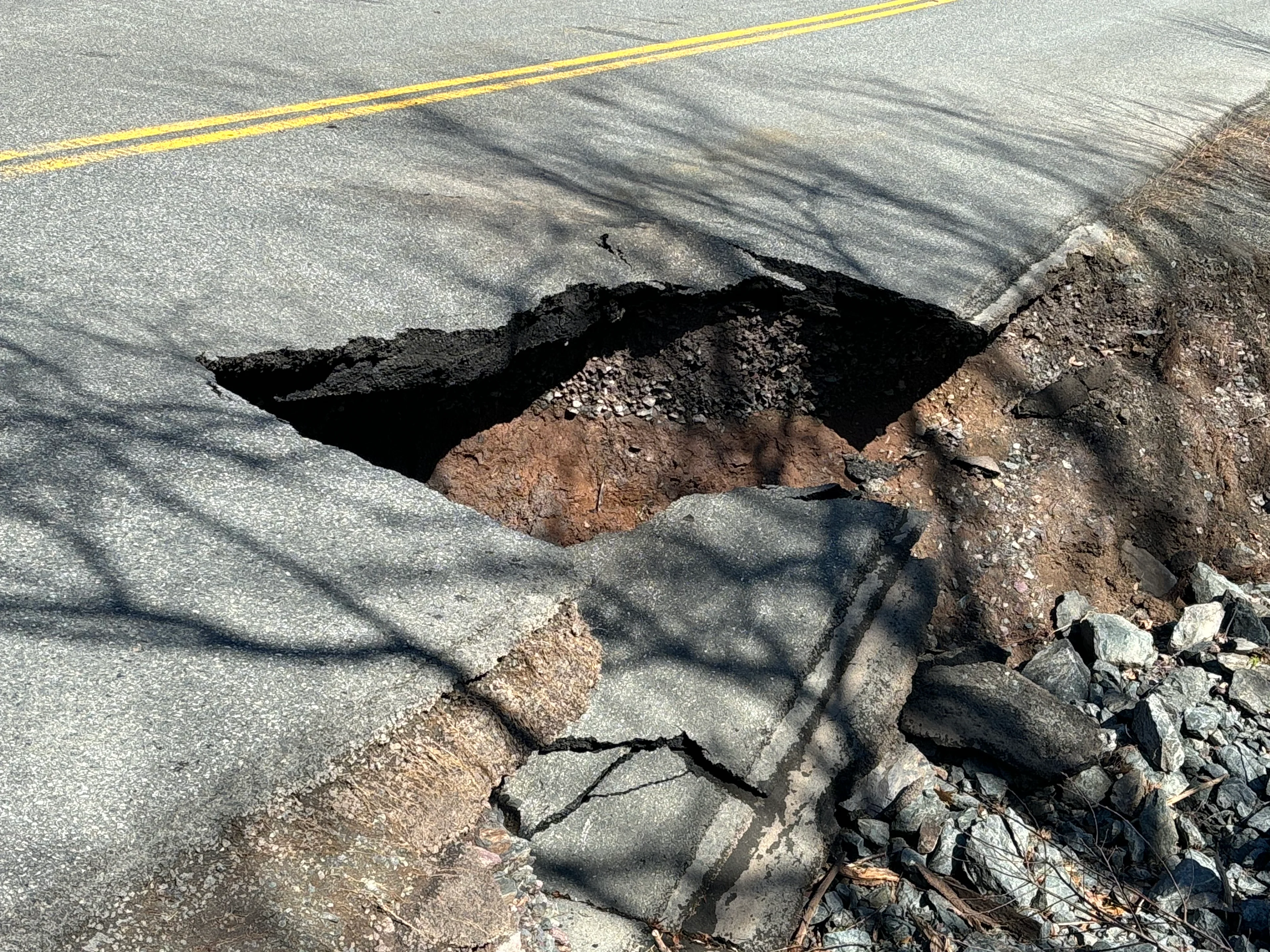
Road washout March 18, 2026 in Salt Springs, Pictou County, Nova Scotia | Nathan Coleman
One challenge with road washouts is that damage can be concealed. While the surface might appear intact, the ground underneath could be severely eroded, creating a hazardous situation. Driving over such areas, especially during ongoing rain, poses significant risks.
RELATED: Get ahead of disaster: Six tips to manage flooding
If rising water is encountered, it is crucial not to drive through flooded roads, regardless of water depth. Instead, seek higher ground and wait for the rain to subside. Rushing water can quickly sweep vehicles into unsafe locations, and roads could collapse further.
In extreme weather events, staying at home is generally the safest option. Move to an upper floor to avoid floodwaters, but avoid the attic to prevent the risk of being trapped.
For those in transit, ensure safety by carrying tools, such as window breakers, but avoid situations where leaving your vehicle becomes necessary. Always prioritize safety and stay informed with the latest weather updates.