Report reveals stunning scope of Europe’s record-hot summer

This past June witnessed Europe’s second-worst heat wave in modern history
It’s official: Western Europe just endured its hottest summer on record.
A recent report issued by the Copernicus Climate Change Service (C3S) found a tremendous number of heat records set in and around the continent.
Tens of thousands of people reportedly died as extreme temperatures roasted the region between May and August.
DON’T MISS: Major global heat records shattered this summer
Historic heat waves roasted Europe this summer
Excessive temperatures between June and August produced the hottest summer ever observed in Austria, Belgium, France, Ireland, the Netherlands, Spain, and the United Kingdom.
More than half of Europe experienced “very strong” heat stress at some point during the summer months, the C3S report said. Heat stress is the factor that causes injuries and fatalities during periods of excessive temperatures.
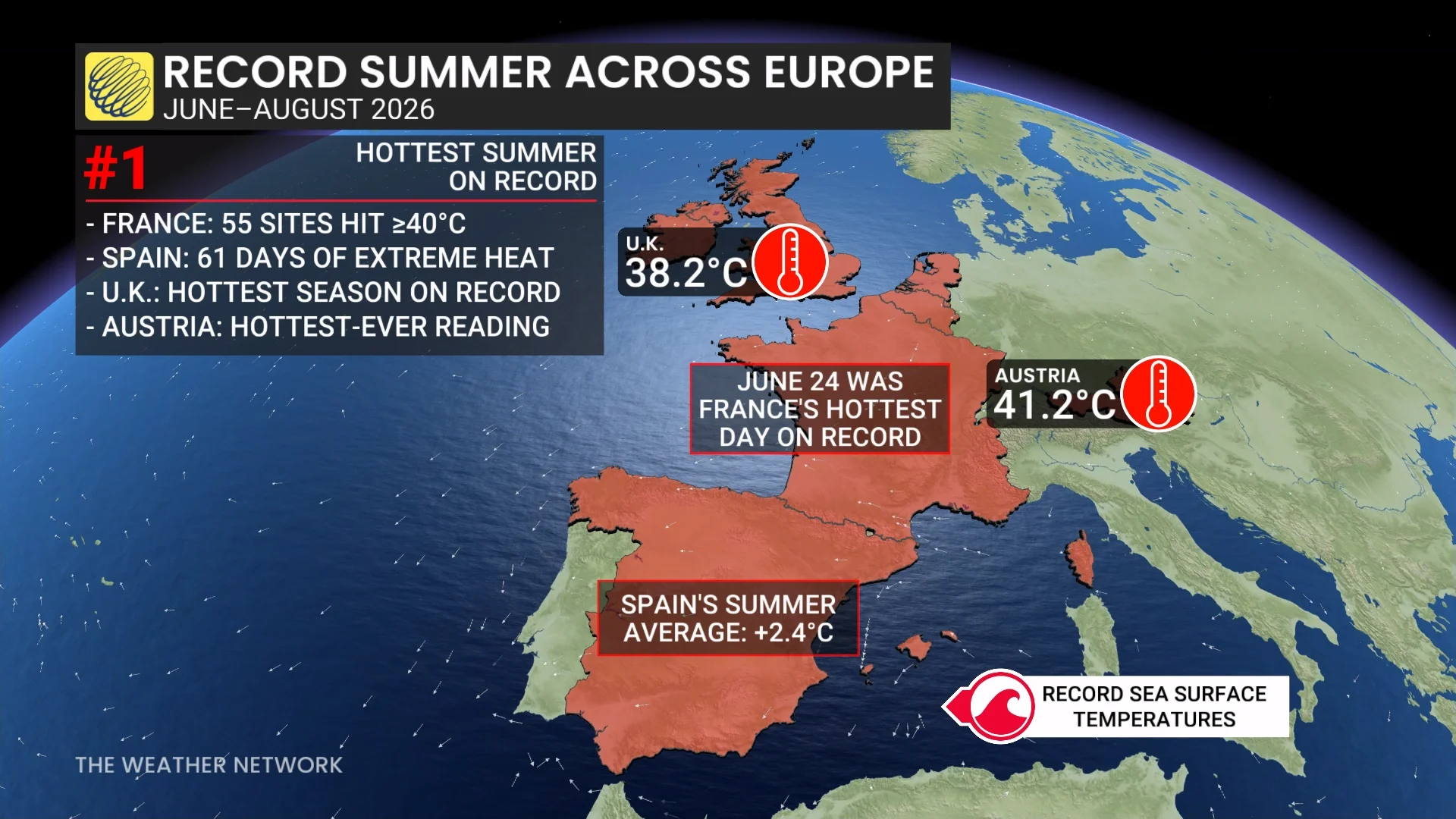
This season saw four of the region’s ten most intense heat waves ever observed, including May 23-29, Jun. 18-28, Jul. 6-12, and Aug. 11-15.
June’s event ranked as Europe’s second-most intense heat wave on record; while it was more intense than the deadly Aug. 2003 spell, this year’s heat didn’t last quite as long.
Temperatures met or exceeded 30°C across 75 per cent of western Europe at some point this season, while readings hit at least 40°C throughout a whopping 40 per cent of France.
Major drought fuelled wildfires, warming oceans
Excessive heat and a severe lack of rain led to widespread drought throughout Europe this summer.

The U.K. and Ireland each observed their driest July on record, while soil moisture levels ended up the driest on record across a swath stretching from northern Spain to Hungary, including much of France and Germany. Significant drought conditions continued through the end of September.
RELATED: Artillery shells and shipwrecks revealed as Central Europe's rivers dry up
Hot and dry weather fuelled a destructive wildfire season. The European Forest Fire Information System (EFFIS) reflected 689,324 hectares of land burned by the beginning of October, which is nearly double the average area burned by this point in the year.
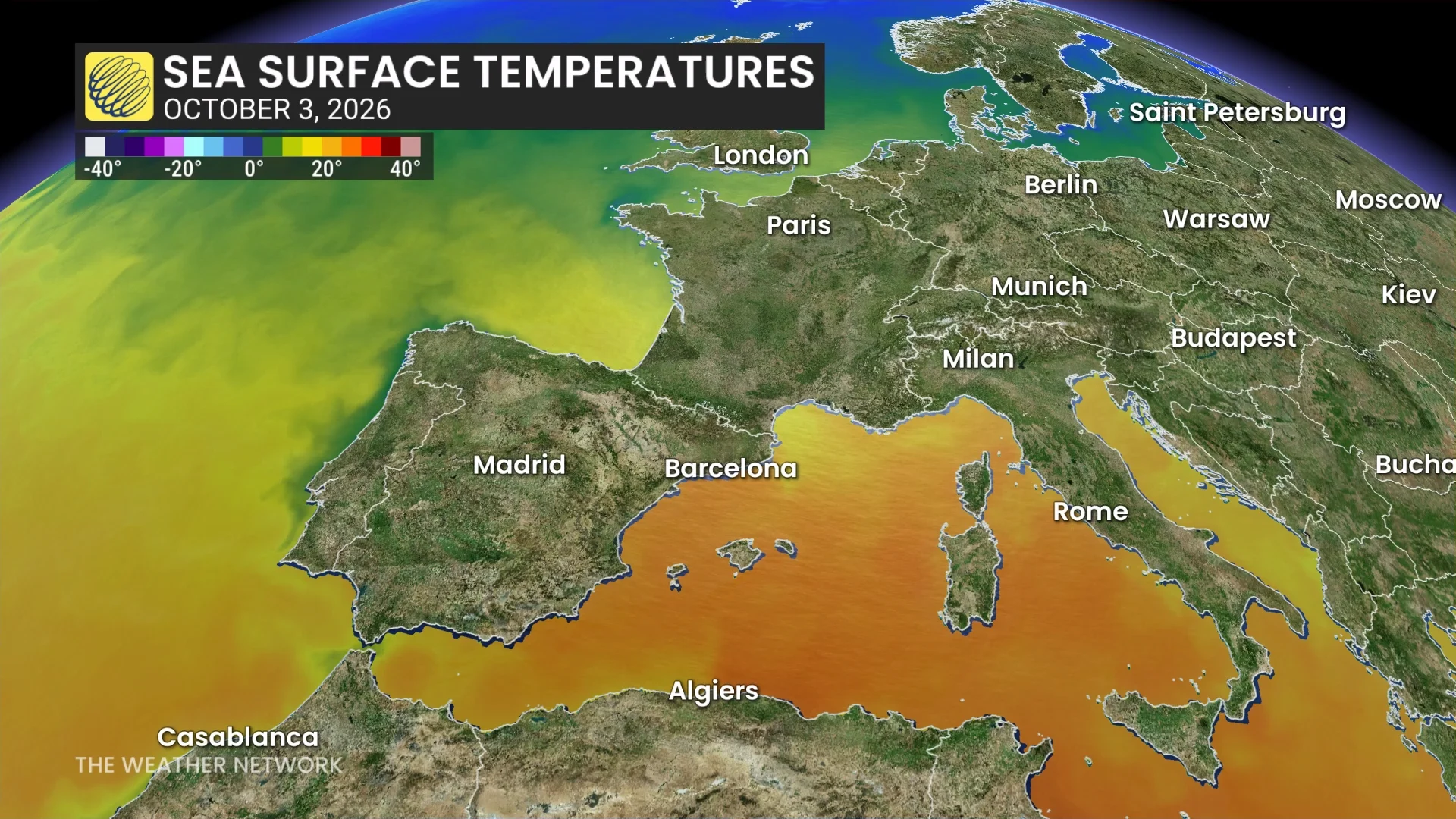
Bodies of water surrounding Europe also felt the heat. Nearly one-quarter of all the seas and oceans around Europe experienced record sea surface temperatures this summer. Readings in the western Mediterranean and Bay of Biscay reached all-time highs in the middle of August.
Caused by ridges, worsened by climate change
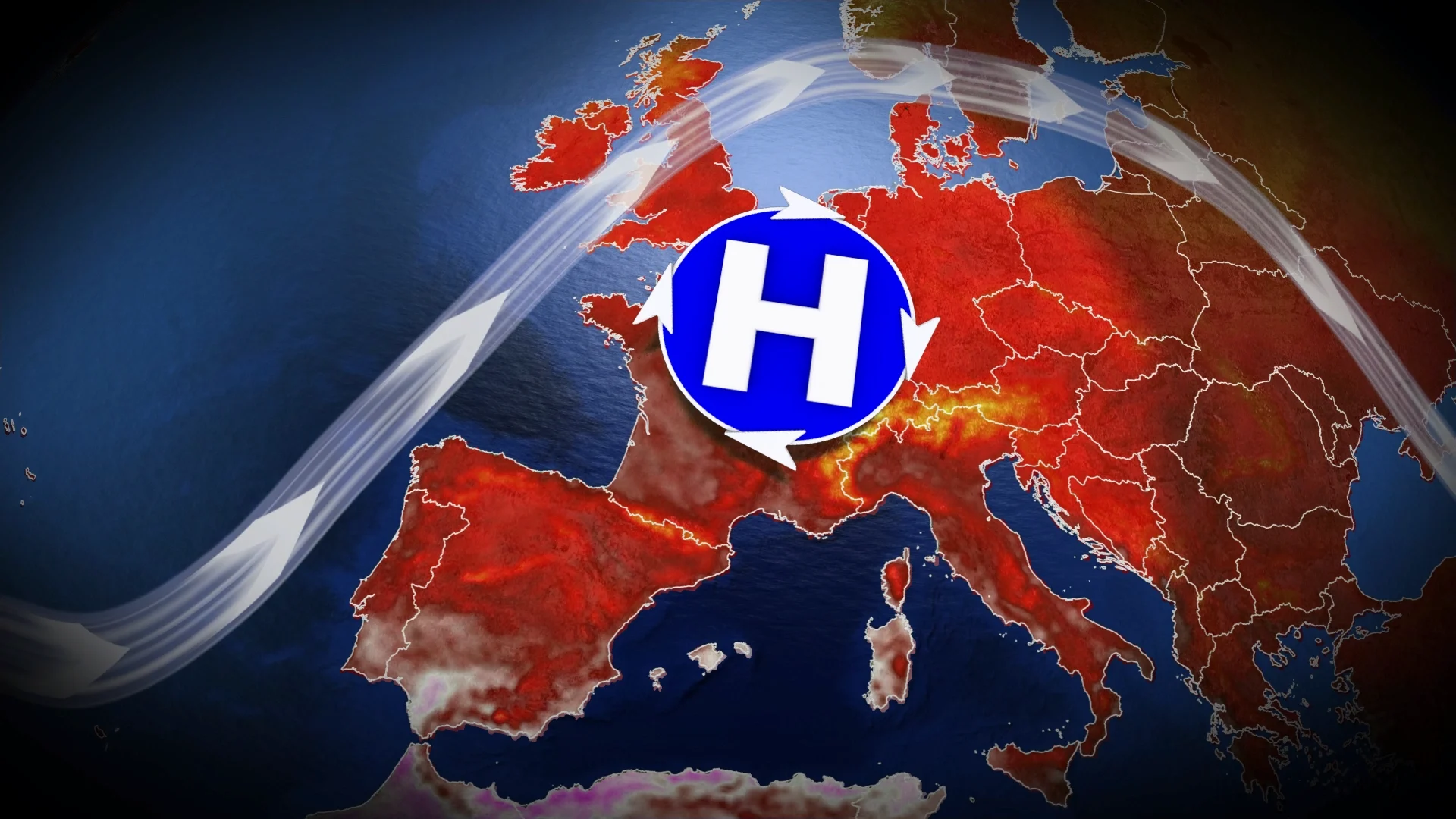
A persistent blocking pattern over the continent proved to be the immediate cause of the relentless heat waves Europe experienced this year.
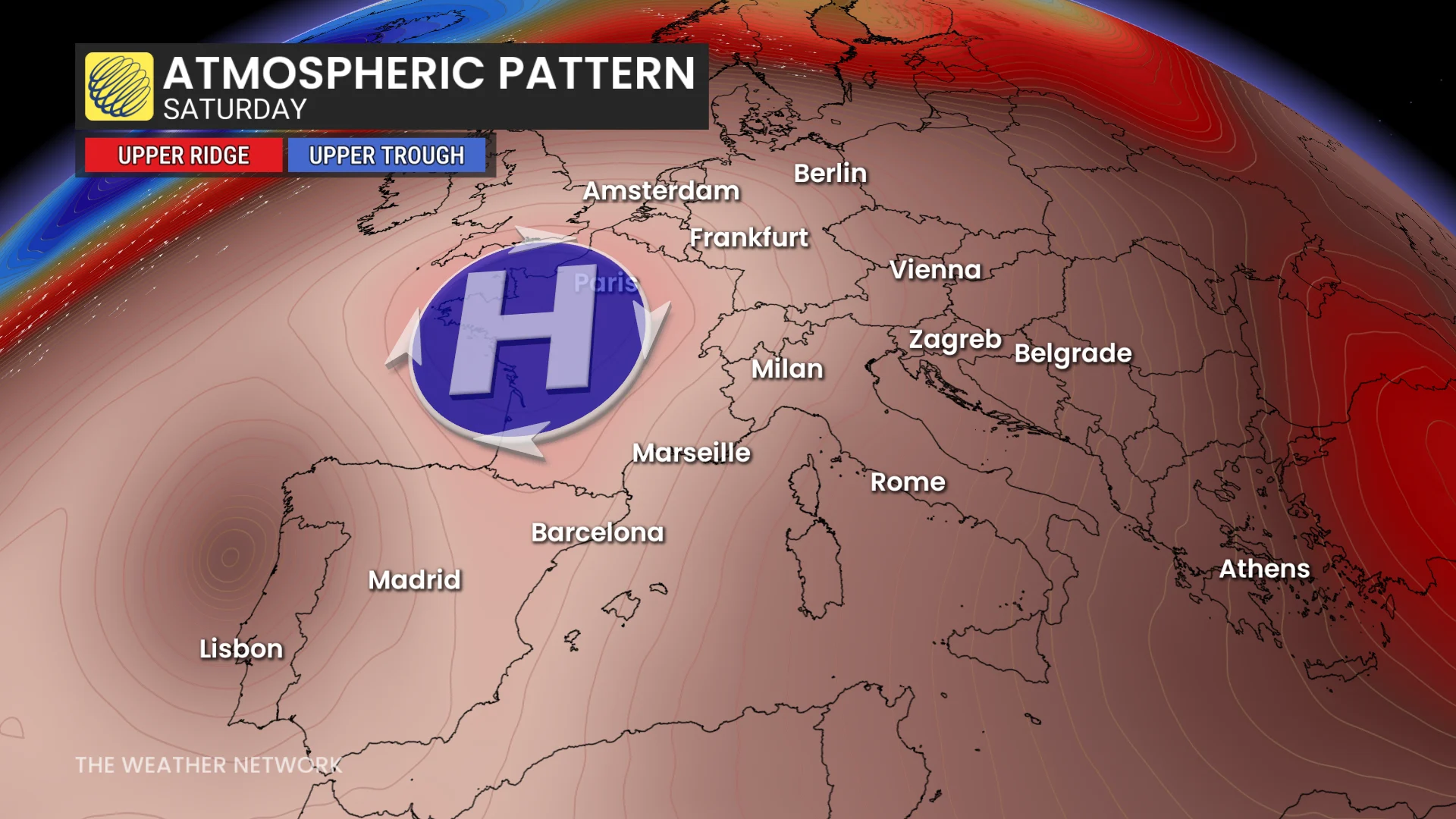
Air sinks beneath ridges in the upper levels of the atmosphere, warming up and drying out as it descends toward the ground. Stronger ridges can lead to more impactful heat, especially when combined with bright summer sunshine and a humid airmass.
This level of heat is also a hallmark of climate change. Temperatures have risen to the point that Europe has recorded above-seasonal summer temperatures for the fifth consecutive year. Longer, more intense, and more widespread heat waves are also common amid a changing climate.