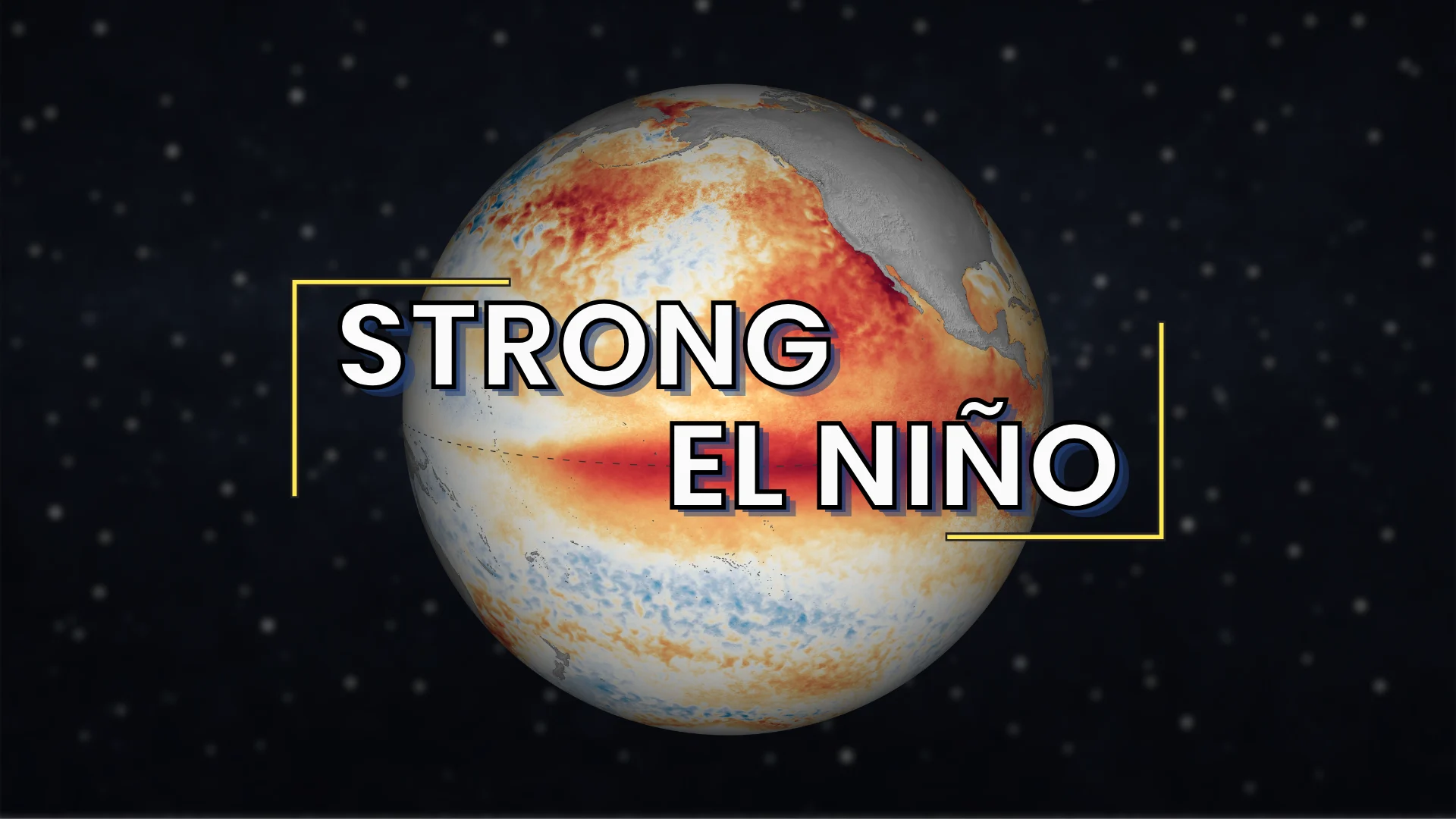
Panama declares a state of emergency over El Niño, rising heat and drought

Breaking heat records, while in the middle of a drought, El Niño is causing problems for Central America
Panama is now the third Central American country to declare a state of emergency regarding the upcoming El Niño.
SEVERE: Hundreds missing as flood strikes Nepal-Tibet border; 95 bodies recovered
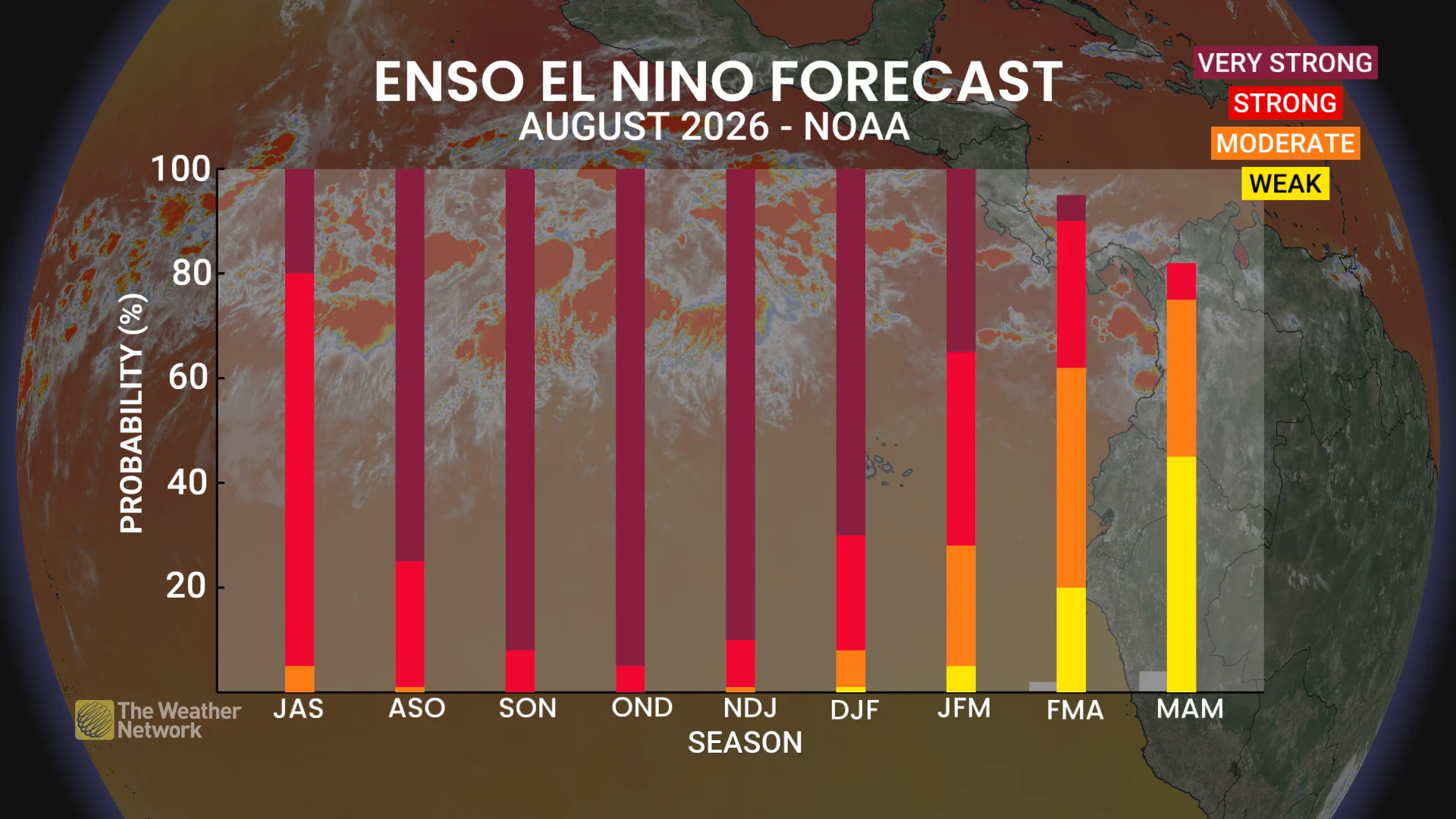
Panama joins El Salvador and Honduras in declaring an emergency, with El Niño expected to strengthen going into October and continue into March 2027.
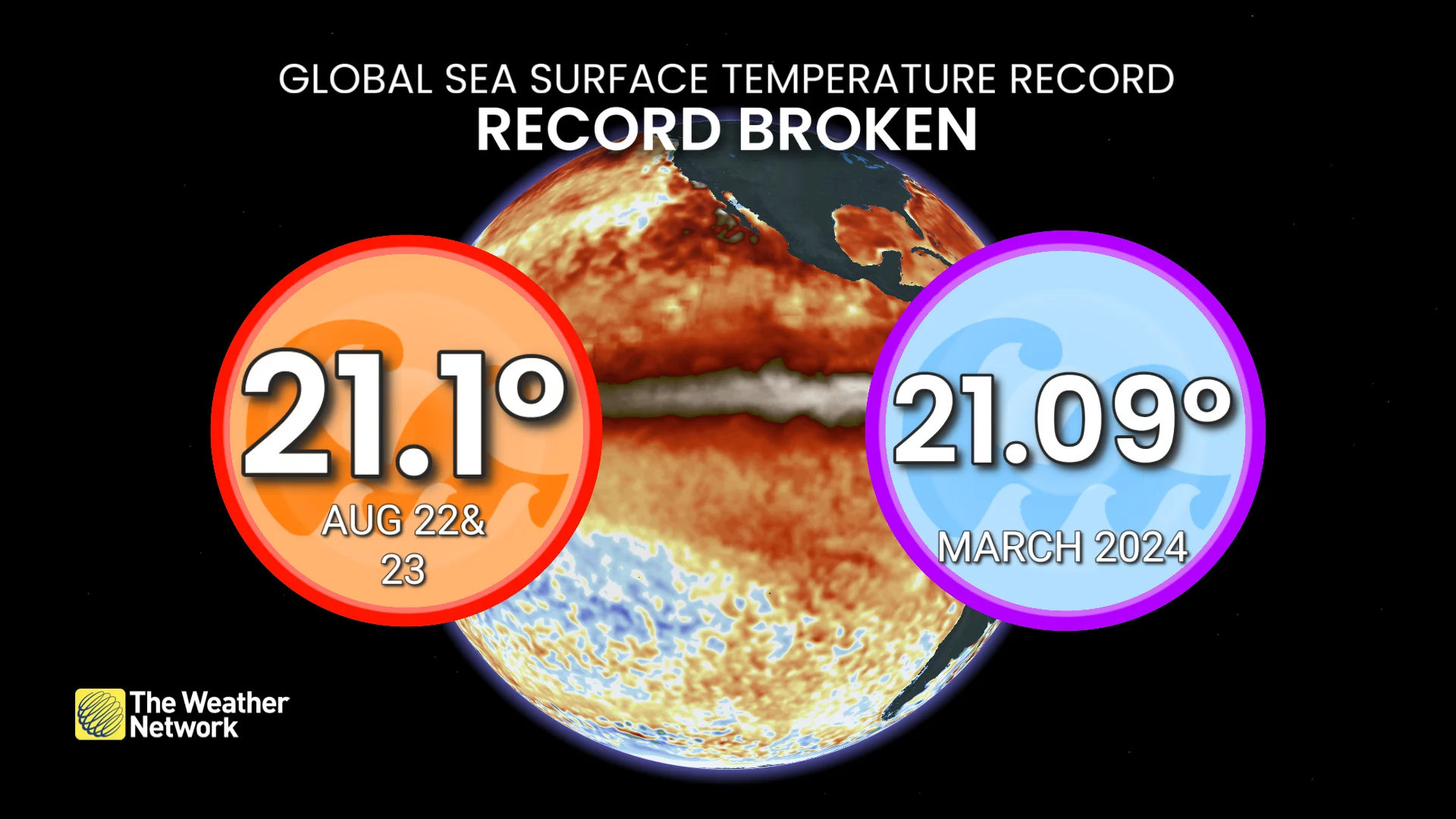
This all comes as average global temperatures reached a new record over the weekend. Average sea temperatures climbed to 21.1°C on Friday and Saturday. The former all-time high was 21.09°C, set back in March 2024.
El Niño effect on Central America
The timing of the new record high is significant, since global ocean temperatures normally peak during summer in the Southern Hemisphere. That means the usual peak is between March and April, but this new record came in August.
This isn’t just a mismatch in what we’re used to seeing either; it has already had a major impact on multiple countries.
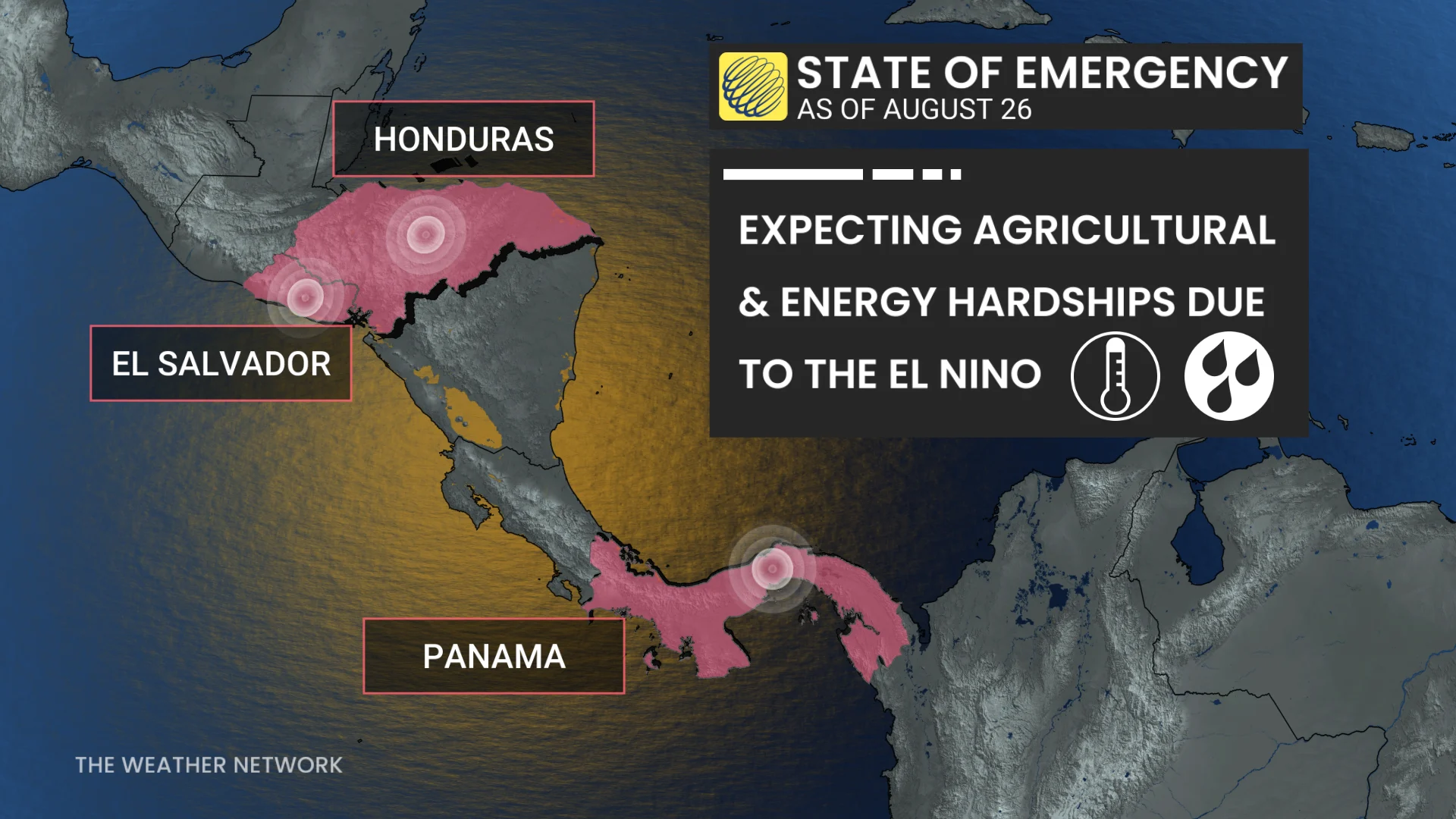
On Tuesday, Panama declared its nationwide state of emergency, citing the risk of drought, floods, agriculture and energy supply. It also included the possible effects on the Panama Canal, a major shipping route.
EL NÍÑO: How a strong El Niño could shape Ontario's fall weather
The high temperatures and reduced rainfall could put a strain on water resources, which Panama relies on for agricultural production and the canal.
On the same Tuesday, El Salvador declared its state of maximum alert. It was to activate monitoring, surveillance and aid efforts for affected communities nationwide.
Central America is grappling with a severe drought, leading Honduras to declare an alert for 80 per cent of the country. Meanwhile, El Salvador is experiencing significantly lower rainfall during a period typically marked by abundant precipitation.