Heat waves linked to wide variety of medical emergencies, study finds

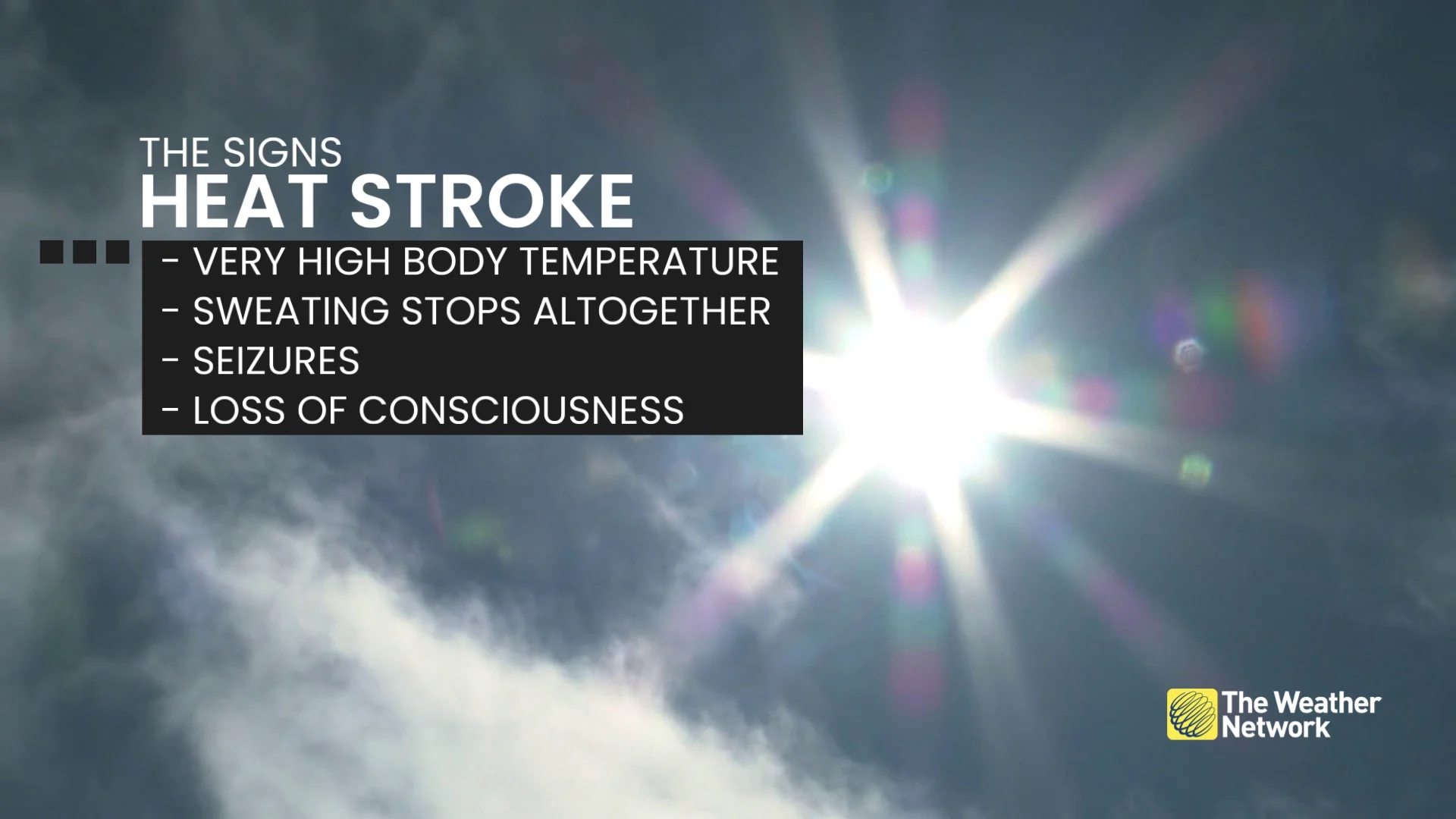
Heat exhaustion and heat stroke are far from the only medical emergencies influenced by hot weather, a new study revealed
Extreme heat places more stress on the human body than most folks realize.
A team of researchers with Northwestern University conducted a wide-ranging study to identify which conditions caused residents of Chicago to seek medical attention during extreme heat events.
The results were surprising, and prove that heat exhaustion and heat stroke are far from the only problems you can encounter on a very hot day.
DON’T MISS: Heat waves are deadlier than previously thought, study finds
Understanding the scope of medical emergencies due to extreme heat is vital for helping vulnerable populations endure summer’s most trying conditions.
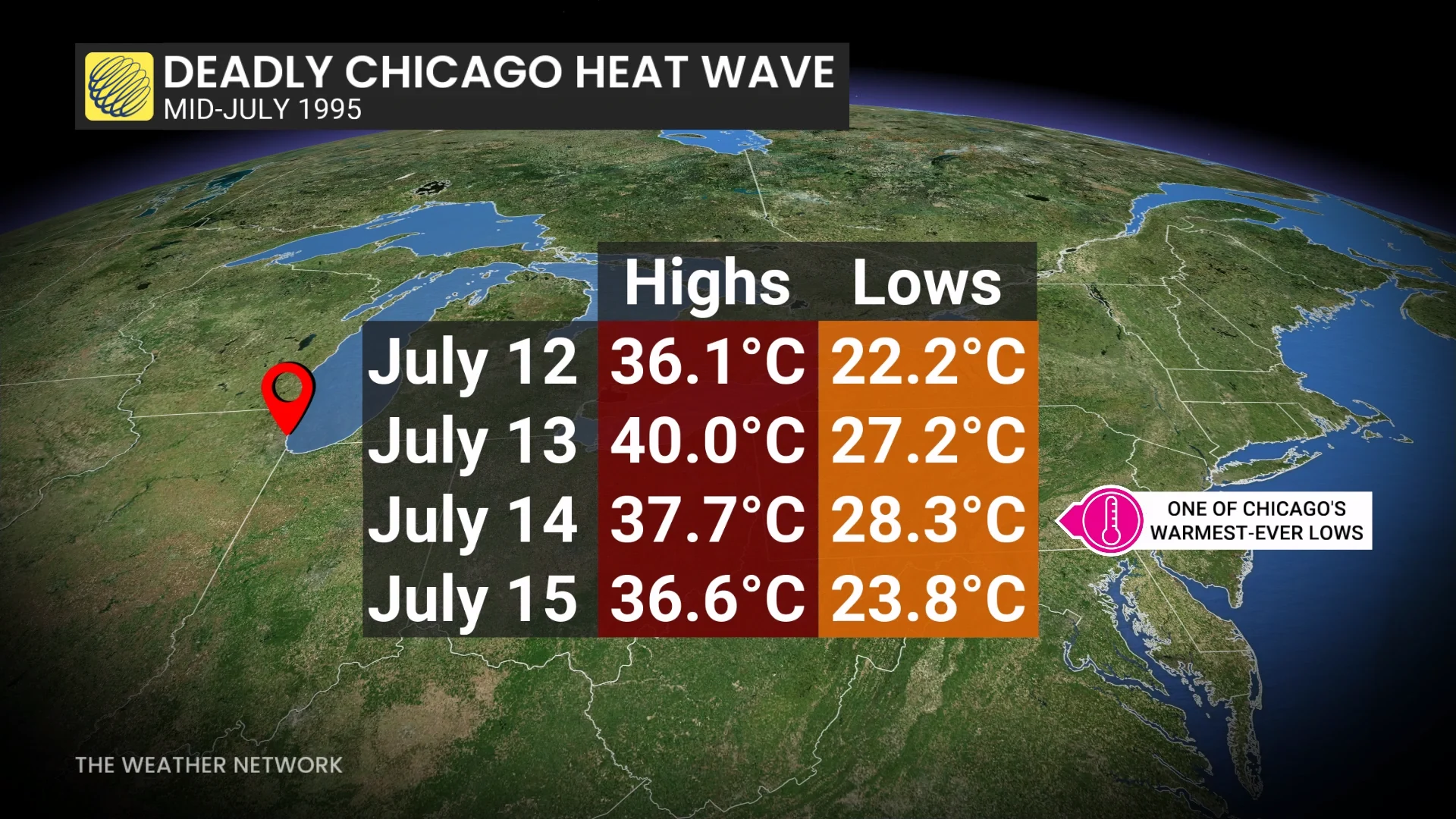
Chicago is no stranger to major heat waves. An infamous event in 1995 claimed more than 700 lives across the city, marking one of the U.S.’s deadliest extreme heat events in modern history.
Experts across the academic spectrum have long sought to understand the stress that elevated temperatures can place on the human body, producing everything from heat-safety tips to metrics like the humidex.
The recent study, which appears in Science Advances, looked at more than 916,000 patient visits to emergency rooms and urgent cares in Chicago during the warm seasons between 2011 and 2023, during which there were 100 extreme heat days with temperatures at or above 33.7°C.
Using several advanced methods to sift through more than 1,800 unique medical diagnoses, the team found a notable increase in 33 different medical conditions during days that featured extreme heat.
Researchers found a significant uptick in conditions that may be influenced by excess fluid loss, such as volume depletion, kidney problems, and even acute kidney failure. The results also noted more incidences of skin conditions such as pressure ulcers, as well as issues related to multiple sclerosis, the symptoms of which can be aggravated by warm temperatures.
Injury cases also rise with excessive temperatures. Some of the increase is simply due to more people spending more time outdoors, but the results also reflected more shootings and other injuries inflicted through interpersonal violence.
The methods used to study the link between medical conditions and Chicago’s extreme can be replicated for other communities, the team said, which could help officials formulate plans to provide medical care, outreach, and education ahead of and during major heat events in the future.