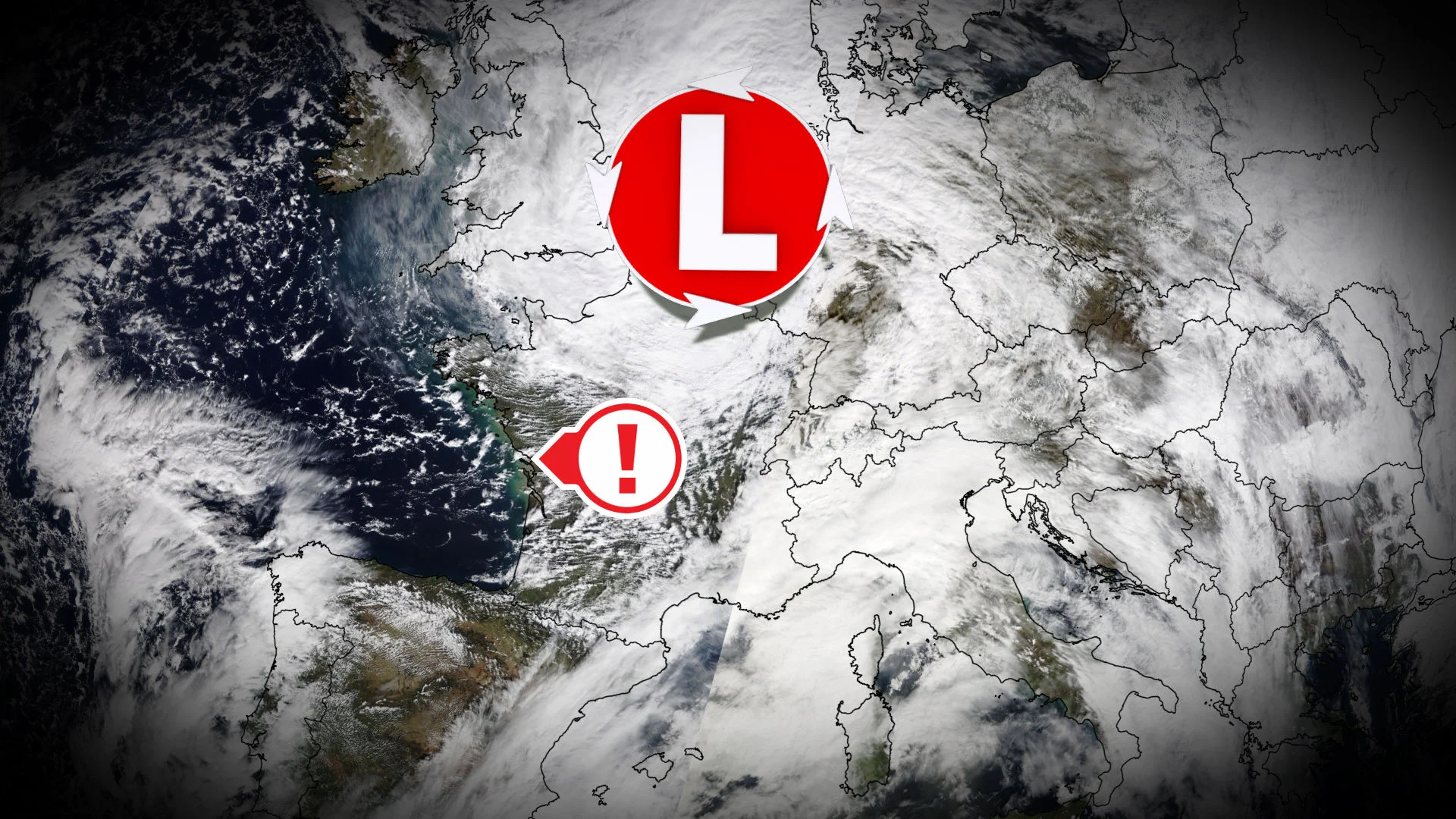
Storm Xynthia killed dozens when it slammed into France

The 2010 system pushed a deadly storm surge as high as 1.5 metres into the coast, flooding communities in western France
One of the deadliest storms in years ripped across France in the closing hours of February 2010.
Dozens of people died in the storm’s flooding, the intensity of which rivalled some formidable hurricanes.
DON'T MISS: 'Weather bombs' are explosive storms that create ferocious conditions
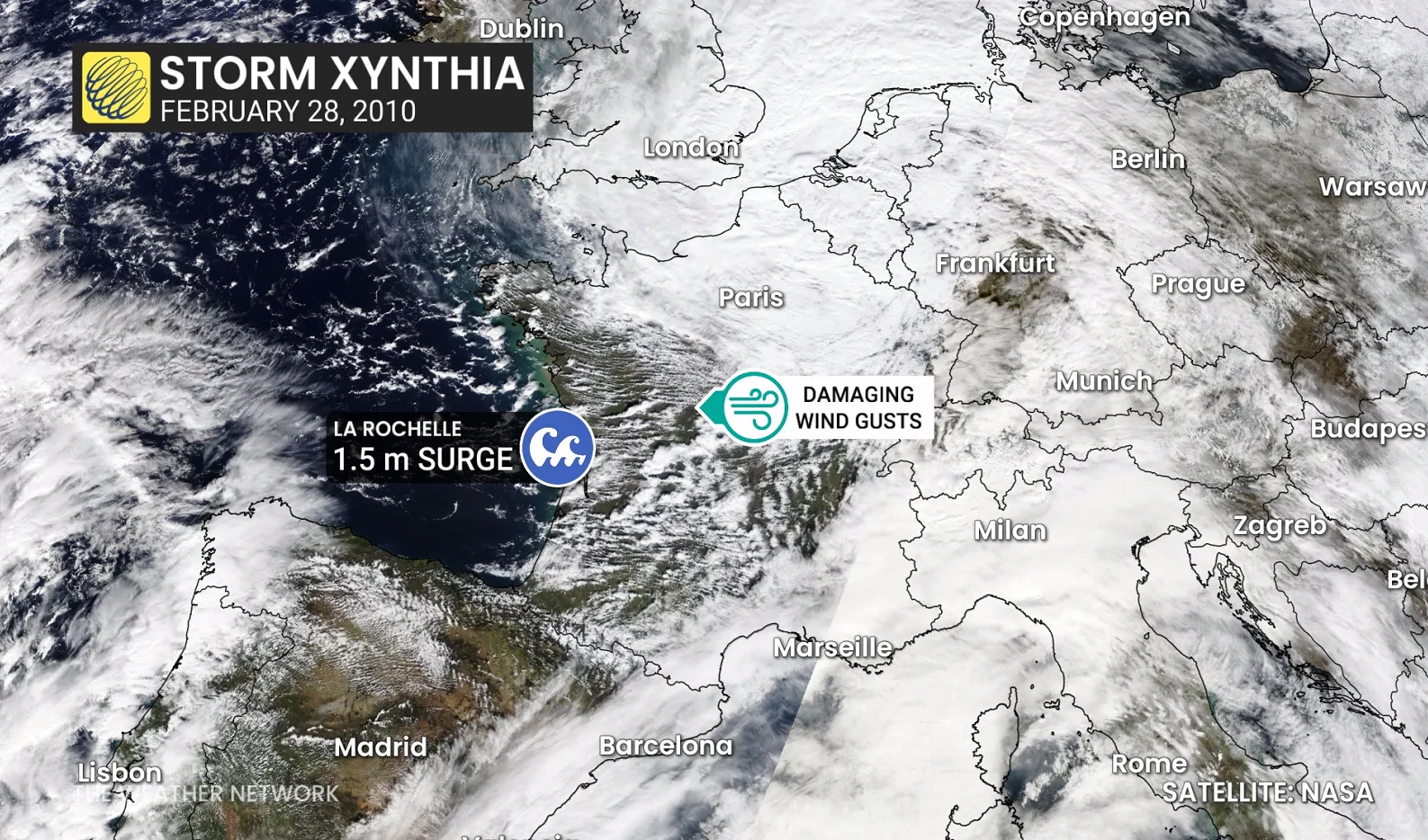
Officials issued a bevy of severe weather warnings across France before a rapidly strengthening low-pressure system raced toward the coast late in the day on Feb. 27, 2010.
The system, assigned the name Xynthia by the continent’s various weather bureaus, packed intense winds as its centre crossed through northwestern France.
Météo-France reports that some coastal communities endured 160 km/h winds that evening, while 120-130 km/h winds buffeted inland areas. Some higher elevations reportedly measured gusts higher than 200 km/h.
RELATED: What is a storm surge, and why is it so dangerous?
Wind wasn’t the only problem. Storm Xynthia made landfall at high tide.
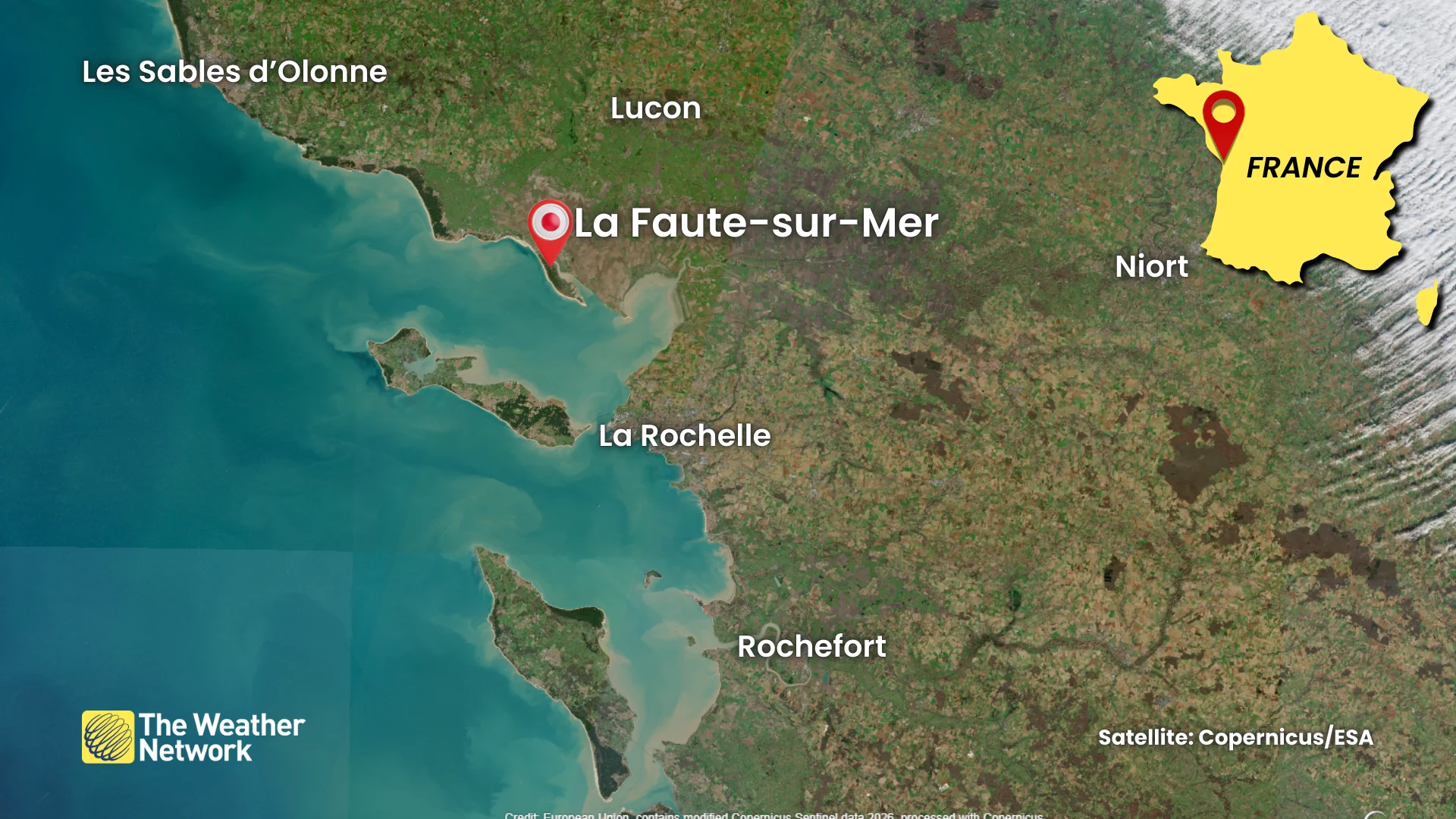
Higher-than-normal water levels, strong winds, and the geography of France’s western coastline all contributed to a lethal storm surge as high as 1.5 metres for many communities in and around the city of La Rochelle.
Burst dikes rapidly flooded a neighbourhood in La Faute-sur-Mer, resulting in 29 fatalities that night. All told, the storm claimed 59 lives across Europe, with a vast majority of those fatalities caused by flooding along the French coast.
Following the storm, meteorologists and emergency management officials worked to prevent a repeat of the storm. Météo-France implemented a new warning system to better alert coastal communities of potential storm surge flooding in future storms.