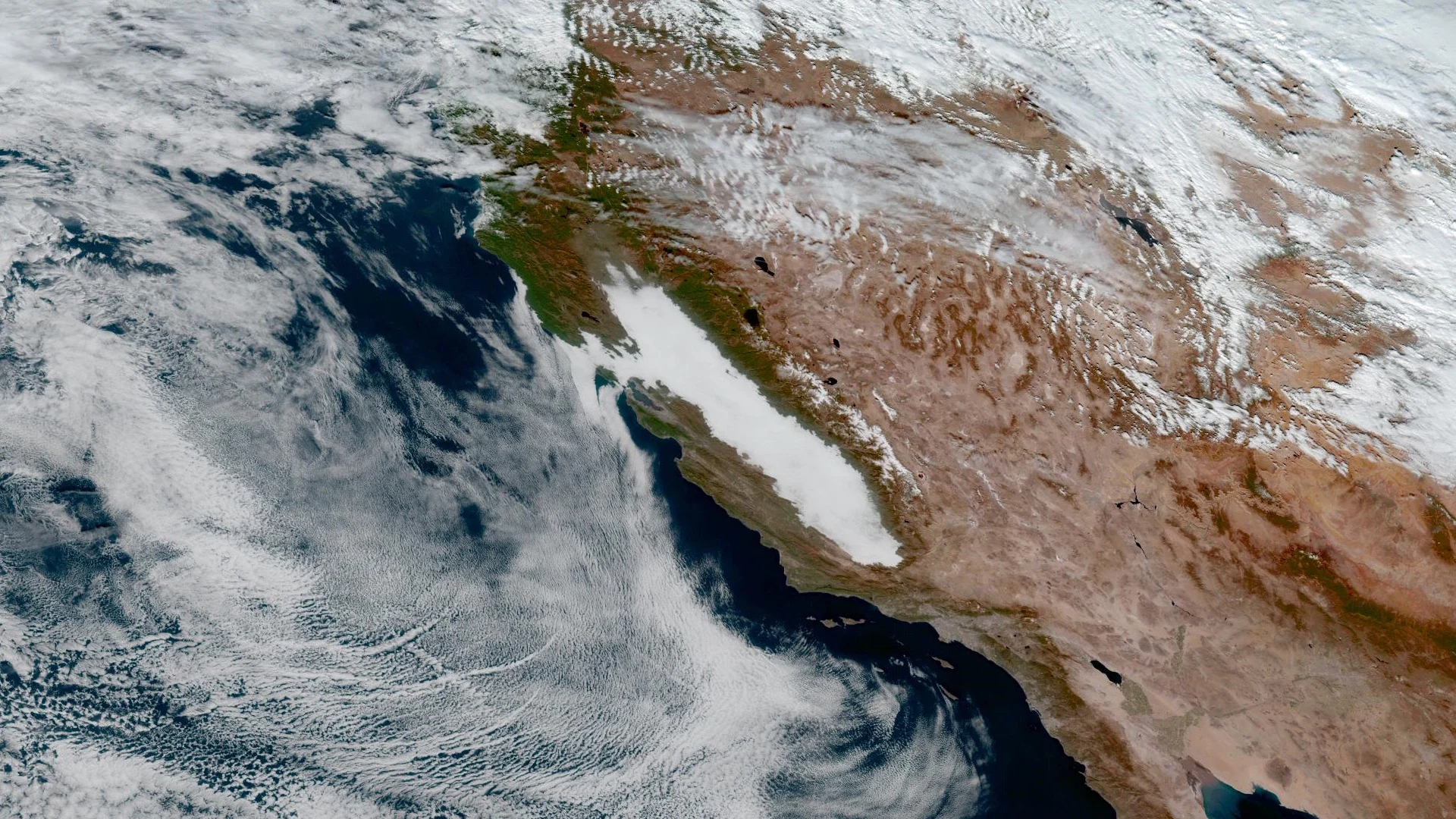
Tule Fog can blanket California in a thick cloud for days

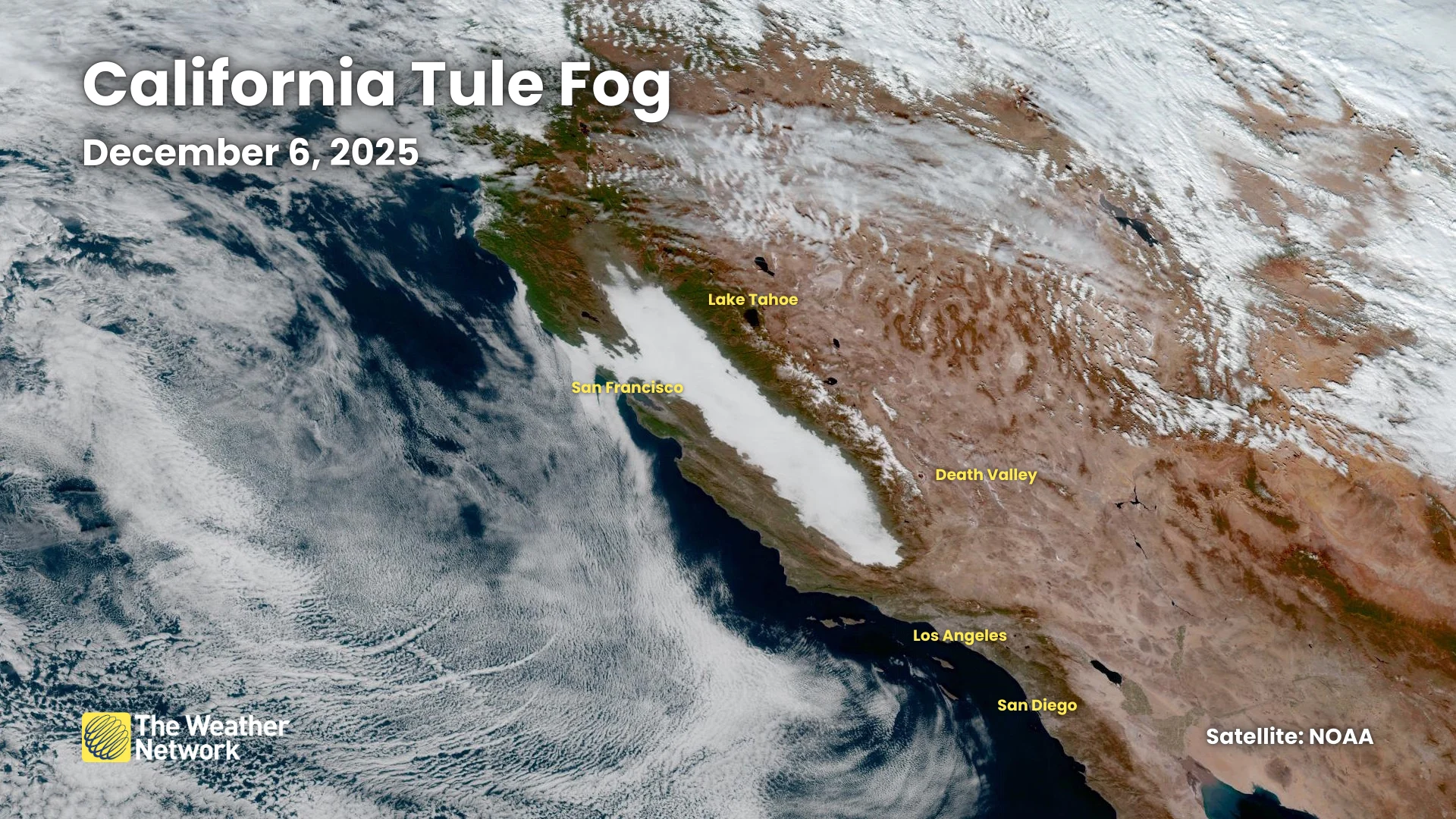
Tule Fog is a frequent sight in California’s Central Valley during the cooler months
Foggy weather is every driver’s worst nightmare. Navigating roads in minimal visibility can make for a treacherous morning commute.
Now, imagine a slab of fog that lasts for days instead of hours, and you’ll come close to the reality that millions of people deal with on a regular basis between the late autumn and early spring months.
This phenomenon is known as Tule Fog, and it can be as dangerous as the worst whiteout.
DON’T MISS: It’s not your imagination—here’s why fall is the foggiest season
California’s Central Valley is perfectly positioned for fog
California is an enormous state that hosts a rich tapestry of different landscapes from the hilly streets of San Francisco to the iconic peaks of Yosemite National Park.
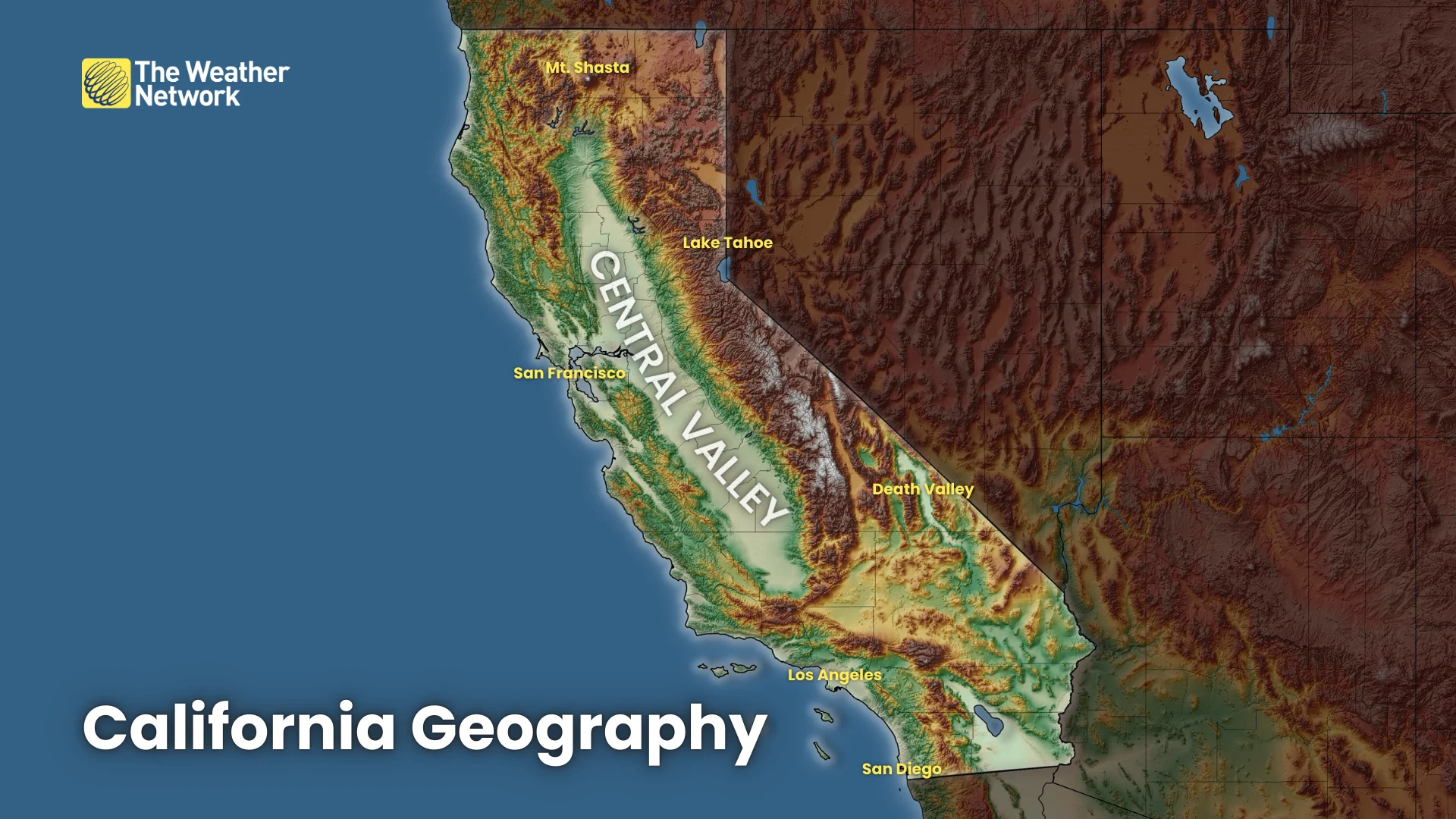
One of the state’s most striking features is the Central Valley. The flat landscape formed as the mountains of the Sierra Nevada and the Coast Ranges rose on either side of the region, with millions of years of runoff filling and flattening the valley with fertile soils.
It’s those fertile soils that contribute to the Central Valley’s hallmark weather phenomenon: Tule Fog.
Tule Fog can form after heavy rainfall
Named after a grass common to the area, Tule Fog often forms between the late autumn and early spring months after a big rainfall drenches the region.
RELATED: Asteroids, valleys, drops: Discovering Earth's geological gems
This thick fog bank can fill the entire Central Valley and linger for days on end, casting a seemingly endless pall that makes the roads downright hazardous for commuters.
Tule Fog is simply radiation fog with a special name.
The ground cools off quickly at night as it radiates heat into the atmosphere. This process cools the humid air near the surface and condenses the moisture within, creating a layer of fog that hugs the ground.
Under normal circumstances, radiation fog dissipates when temperatures rise or winds pick up to mix the atmosphere.
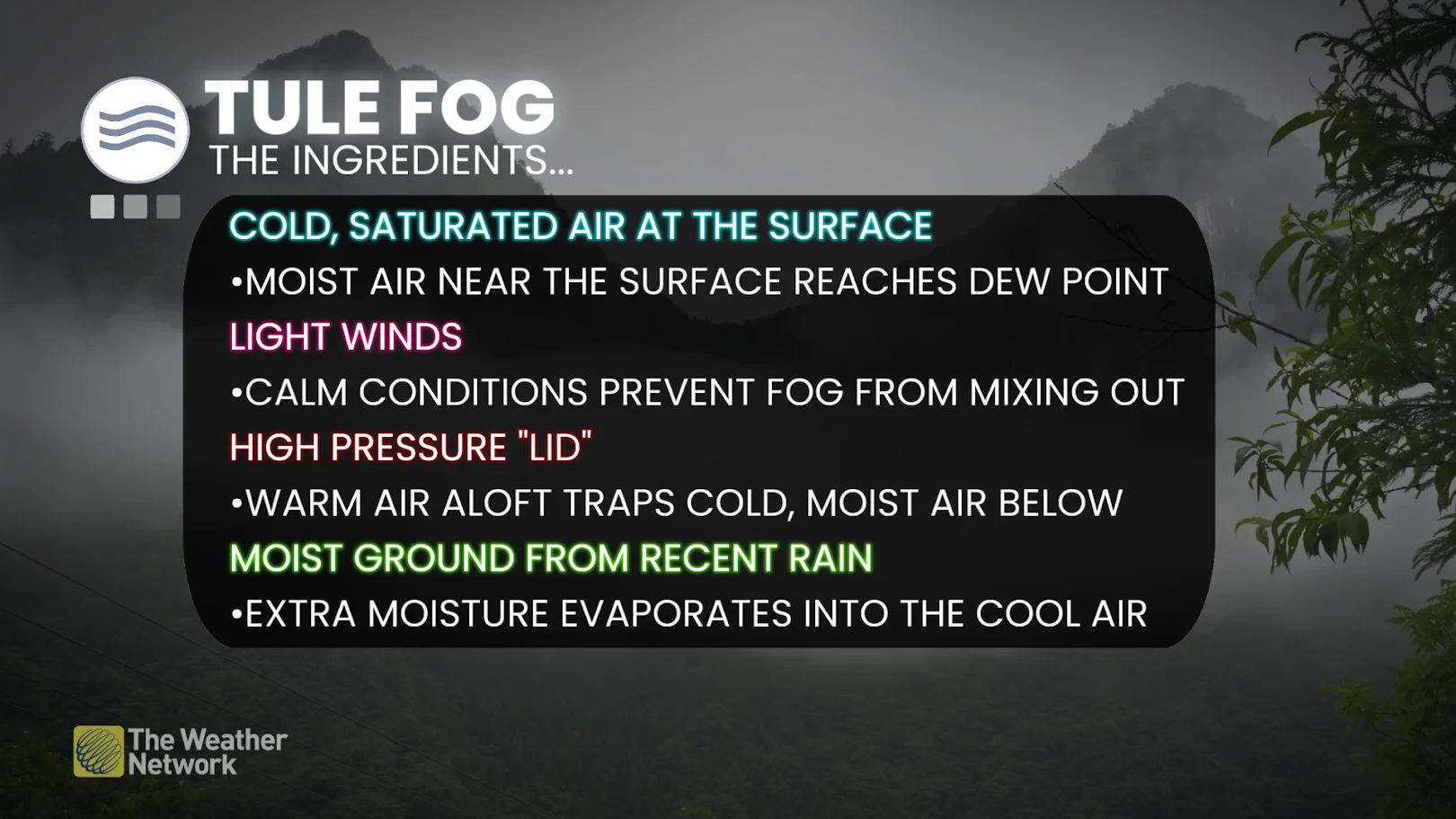
But the Central Valley’s unique geography can shield the region from breezy conditions and warmer temperatures, essentially locking the fog in place. A resilient bank of Tule Fog can stick around for days until a larger storm system arrives to mix up the region’s atmosphere.
Drivers are warned to use extreme caution while driving in the thick fog. How bad can things get? One Tule Fog event caused a 100+ vehicle pileup accident near Fresno in November 2007.