
Hidden hazards on winter walkways: What to know to avoid an ER visit

Black ice and snowy sidewalks make winter the season for danger. Slip and falls rank as Canada’s second leading cause of injuries, including fractures and brain trauma
Slips and falls are the second leading cause of injuries during the winter season in Canada, just behind car accidents, according to Daniel Berman, a personal injury lawyer at Foisy & Associates. The main culprit? Black ice – a nearly invisible hazard.
Black ice tends to form in high-traffic areas, such as steps, ramps, and entrances to homes or stores. It can develop quickly when temperatures rise above 0°C during the day and drop below freezing at night. Even familiar walkways can become hazardous under these conditions.
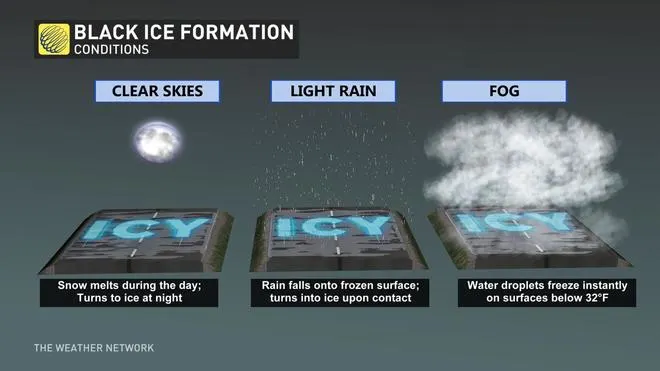
Post-snowstorm cleanups can also increase the risk of black ice. Runoff from piles of ploughed snow refreezes overnight, creating slippery patches. Whether it’s public walkways or the steps at your home, unshovelled or untreated surfaces can be equally dangerous.
RELATED: Newsflash: Black ice isn't actually black
Berman explained that slip-and-fall injuries often include fractures to ankles, wrists, and hips, as well as spinal injuries. Head injuries, such as concussions, are also common and can lead to long-term effects.
Symptoms of a potential concussion or brain injury can include:
Headaches
Dizziness
Light sensitivity
Memory issues
Trouble focusing
Injuries like concussions from slip-and-falls can take a long time to heal, and in some cases, their effects may be permanent. These injuries can impact the ability to work, care for loved ones, manage daily tasks, or participate in social activities. Preventing falls is about protecting more than just physical health.
DON'T MISS: We officially hit 20 C in Canada Wednesday. Here's where
Winter brings fluctuating temperatures that can create these hidden hazards. To reduce the risk, wear boots with good traction and stick to salted or sanded surfaces when walking.

If an injury occurs, it’s crucial to react promptly.
"Document the area right away by taking photos," stated Berman. Weather can change quickly, so capturing the scene immediately is essential for an accurate record of conditions.
Next, report all symptoms to a medical professional as soon as possible. In Ontario, if a fall occurs on municipal property, the city must be notified within 10 days. For private or commercial property, the owner must be contacted within 60 days. The window to take legal action is two years.
If someone is injured on personal property, notify home insurance providers right away.
Staying vigilant and proactive is key to minimizing winter weather risks.
WATCH: Winter's deadly threat to Canadians experiencing homelessness
Thumbnail image courtesy: Max Fuchs on Unsplash