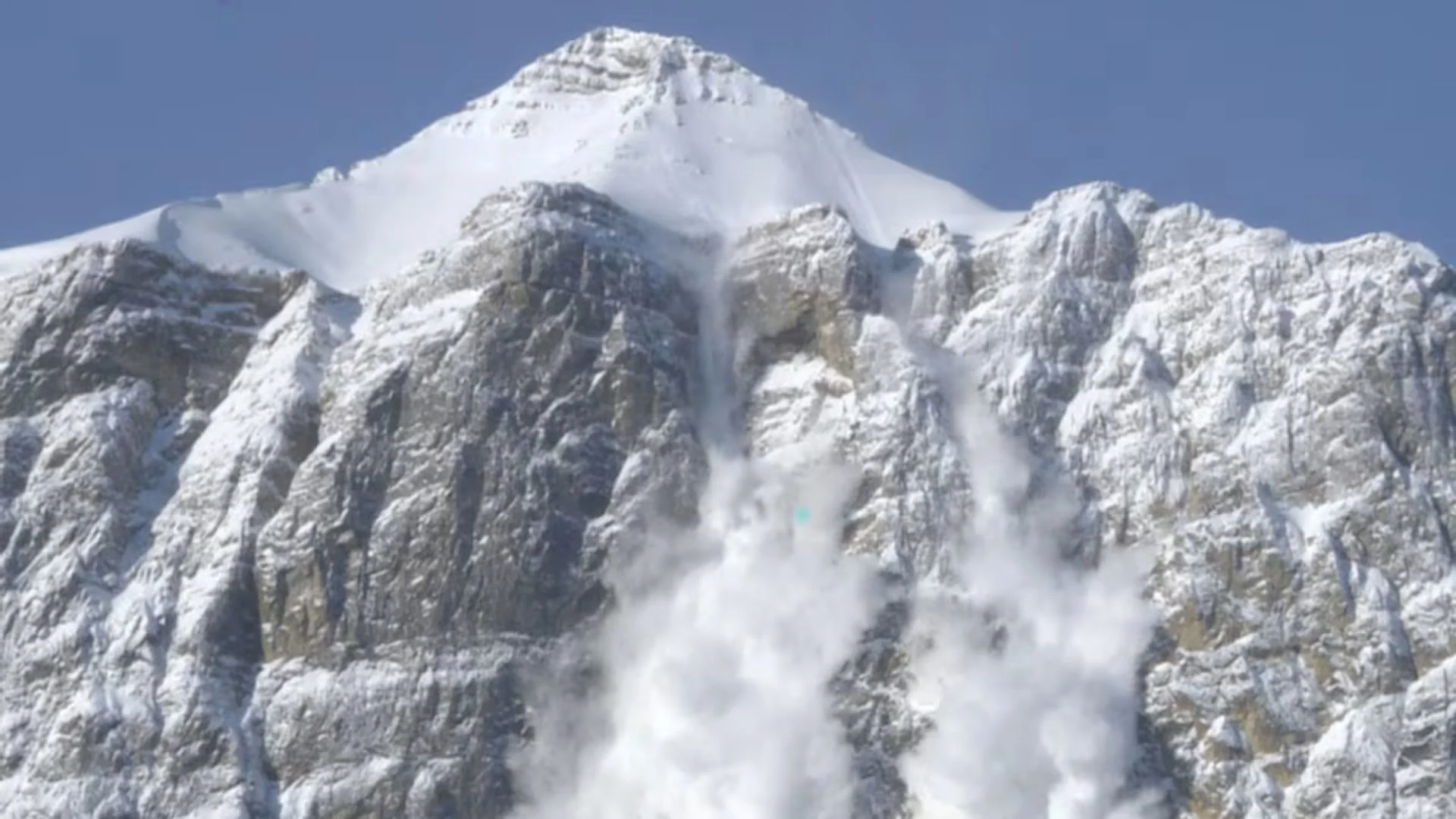
Avalanche conditions in Rocky Mountains improve but remain hazardous: Experts

Experts are urging people headed to the backcountry in the Rockies to use caution as avalanche conditions improve but remain unfavourable following an atmospheric river that drenched the mountains, weakening the snow packs.
Conrad Janzen, a visitor safety specialist with Parks Canada, says while the "extreme" avalanche rating has been reduced to "considerable," visitors need to remain on alert.
"It's still a time people need to be careful. Do their homework, check the avalanche forecast and be careful — especially at those upper elevations."
Janzen says the area below the alpine is less hazardous, but it's still possible for mountain-goers in the area to end up in a risky situation.
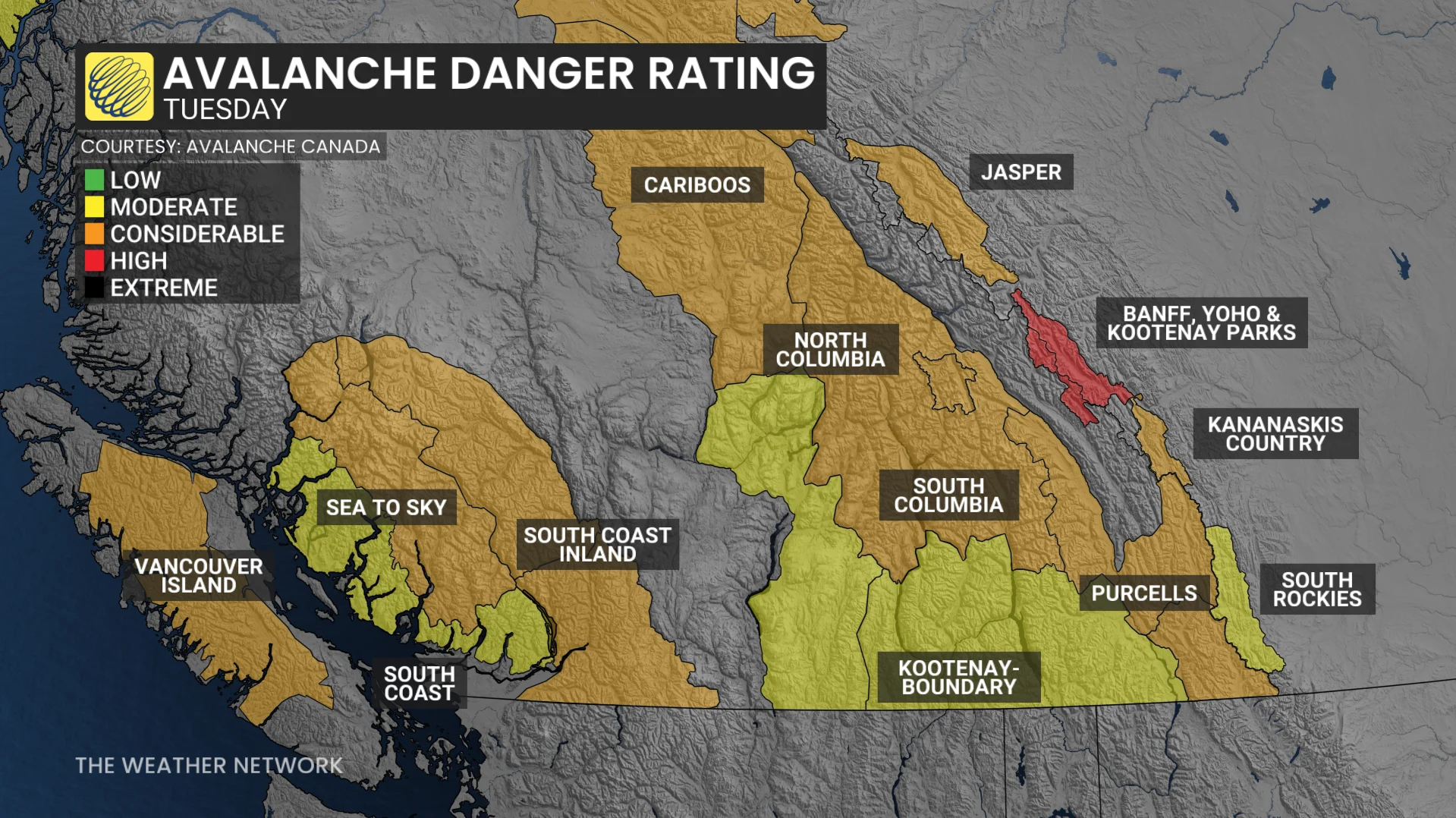
"We still do have lingering concerns for large avalanches being triggered with larger loads, either cornices or perhaps a human in the wrong spot."
He says visitors should pay close attention to what's going on above them, with the area above the tree-line posing the biggest safety concern.
Twenty to 40 centimetres of snow is expected this evening through to Wednesday — which Janzen says will likely bump up the avalanche hazard again and create "a brand new problem." He says the remaining snowpack is stabilizing, but the new precipitation will likely affect this.
Meteorologist Alysa Pederson says the weather in March can be temperamental, and more snow is normal for this time of year.
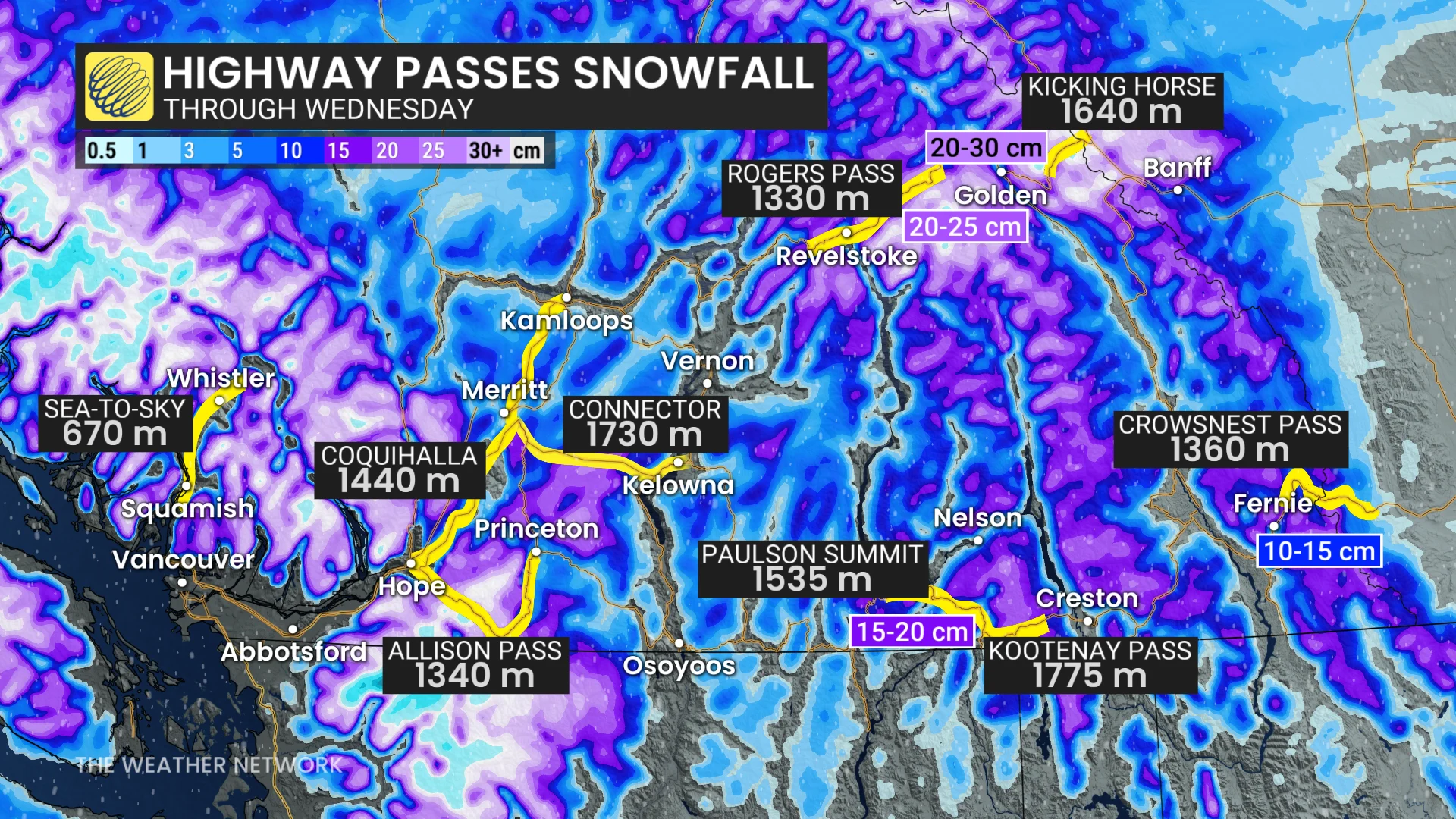
“Our precipitation amounts are going up in March for the snowfall. March and April are actually the snowiest months of the year.”
Visitors are strongly advised to visit avalanche.ca before heading out, and ensure they have the right equipment, knowledge and skill for the conditions.
Highway 93 at the western boundary of the Kootenay National Park also remains closed after a controlled avalanche ran onto the highway, packing on a significant amount of snow and debris.
The avalanche, triggered by a heli-bombin — where explosives are deployed in the avalanche start area to trigger a controlled slide — created a heavy snowpack on the roadway measuring 250 metres long and 6-8 metres deep.
"Roughly the equivalent of two football fields wide and the height of a two-storey building of really, really hard snow that's going to take a long time to clear."
Janzen says the area will remain closed until at least March 28 as heavy duty equipment crews attempt to remove the debris.
Travelers can call 511 for updates on the status of the highway.
WATCH BELOW: Avalanche buries highway in Alberta with 12 metres of snow
Thumbnail courtesy of Dave Gilson/CBC.
The story was originally written by and published for CBC News. It contains files from Dave Gilson.