Atlantic’s hurricane-less season on the verge of history

The basin is less than one week away from setting a record since the satellite era began in the 1960s
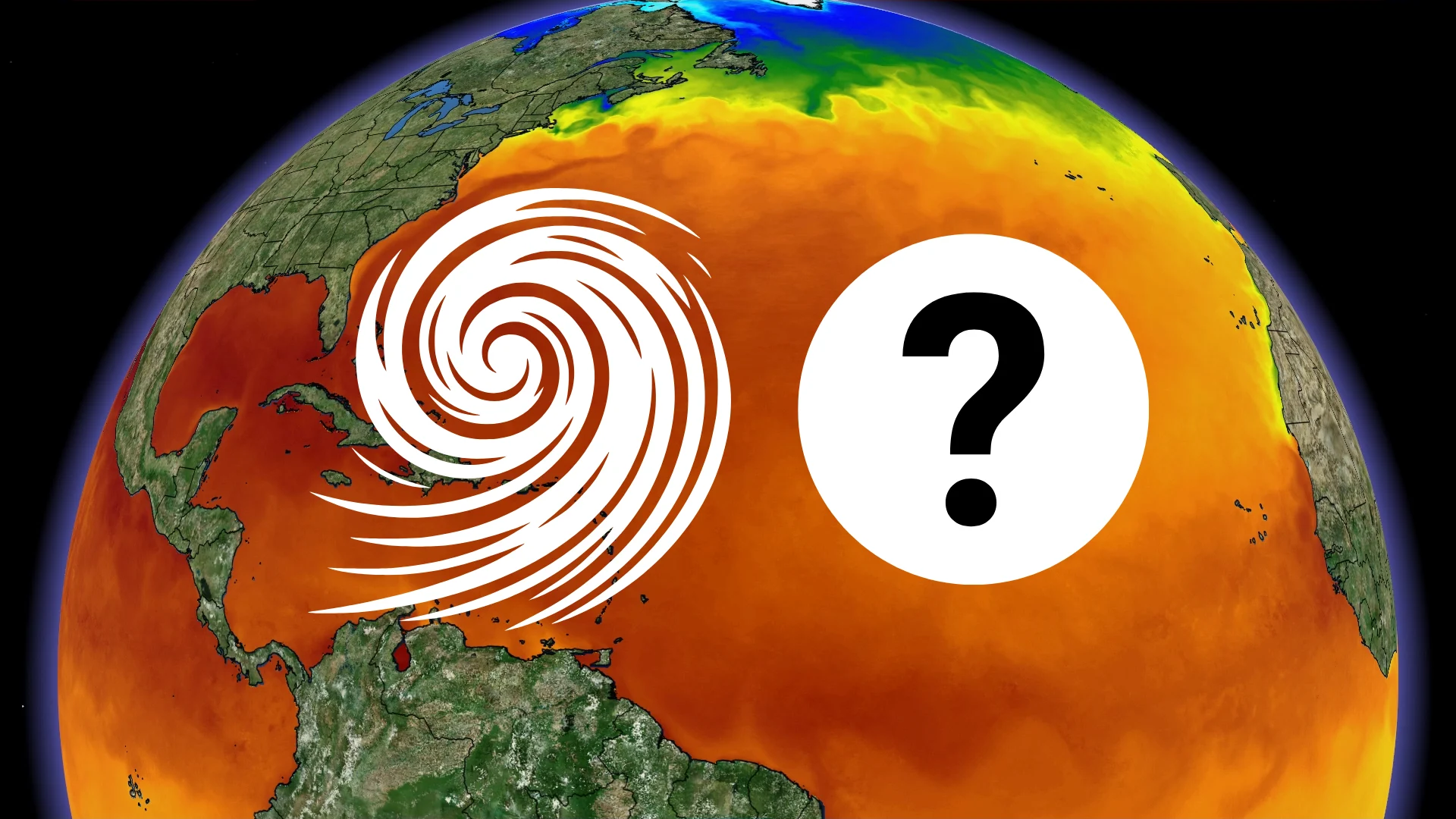
What do you call a hurricane season without any hurricanes?
This season certainly feels like it’s putting that hypothetical to the test as we haven’t seen any hurricanes across the Atlantic basin at all this year.
If none form anywhere in the Atlantic by next Friday, Sept. 11, it’ll make history for the latest on record we’ve gone without a hurricane during the satellite era.
DON’T MISS: Destructive Atlantic hurricanes can still happen during El Niño
A historically quiet Atlantic hurricane season
We’ve seen five named storms in the Atlantic this year; each one was a relatively weak and short-lived storm that only stuck around for a couple of days at most.
Three of those storms struck land. Arthur, Bertha, and Edouard formed in the northern Gulf of Mexico and brought heavy rain and gusty winds to the region.
A few of the systems were prolific rainmakers despite their lack of a punch. Arthur likely broke Louisiana’s 24-hour rainfall record, while Edouard brought more than 600 mm of rain to parts of eastern Texas.
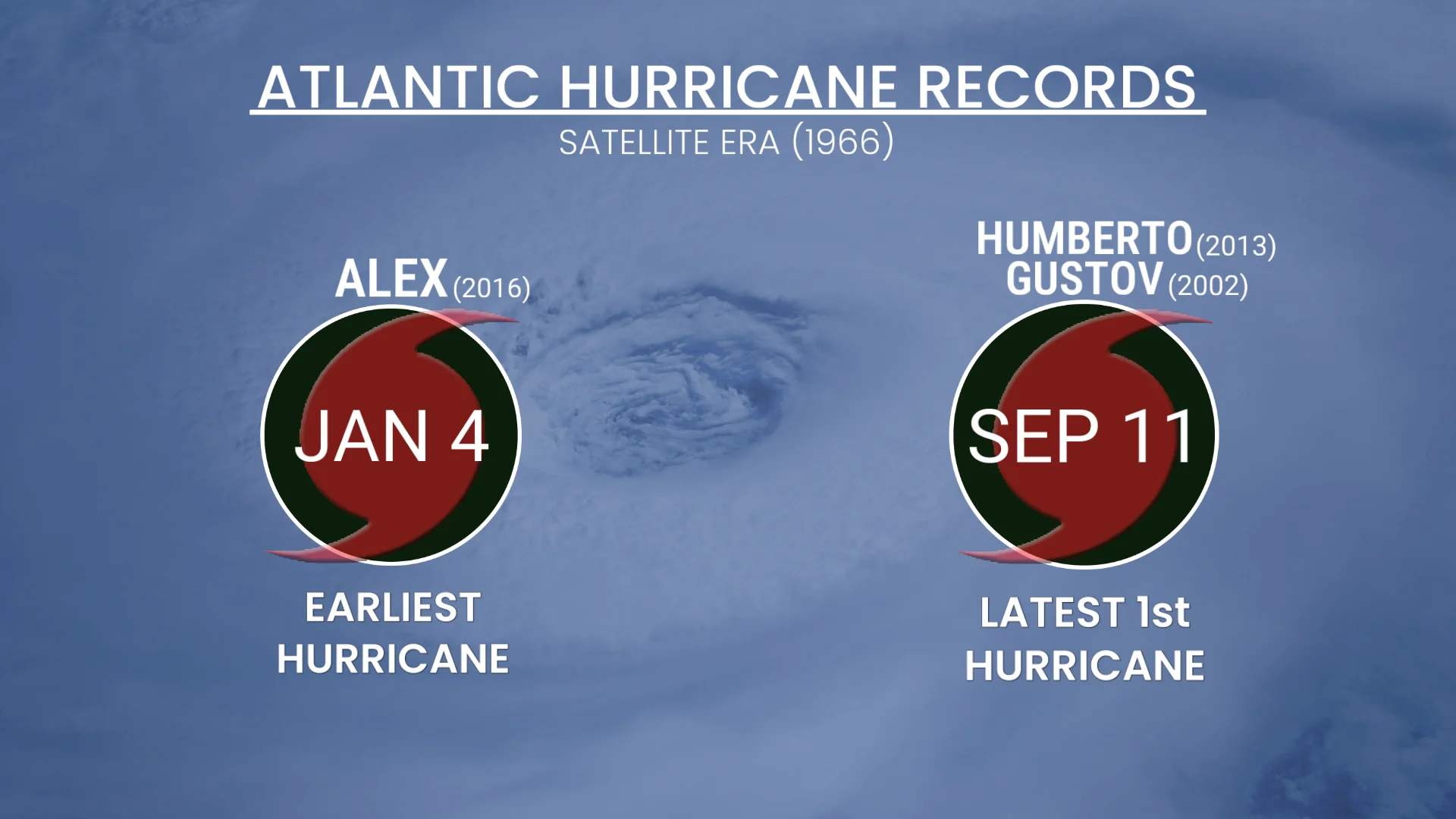
This year enters the rare handful of seasons since the satellite era began in the 1960s where we’ve gone into the month of September without any hurricanes across the Atlantic. Climatology holds that the season’s first hurricane usually forms around the middle of August.
Two storms hold the record for latest hurricane formation observed in the Atlantic during the satellite era. Humberto (2013) and Gustav (2002) formed into hurricanes at 8:00 a.m. on September 11 in their respective years, according to hurricane expert Dr. Philip Klotzbach.
It’s very likely we’ll break that record this year based on current forecasts and model trends.
Pacific hurricane season running well ahead of normal
Meanwhile, the northeast Pacific hurricane season continues roaring along far ahead of the typical pace. This basin is usually more active than the Atlantic during a typical year, but the former is leaving the latter in the dust this season.
A trio of Pacific hurricanes closed out the first week of September. Karina continues holding its own, while Lowell threatens to brush Hawaii and Marie sends moisture north toward Canada.
Steamy waters in the northeastern Pacific produced two of this year’s six Category 5 equivalent storms, first with Genevieve and then this week with Lowell.
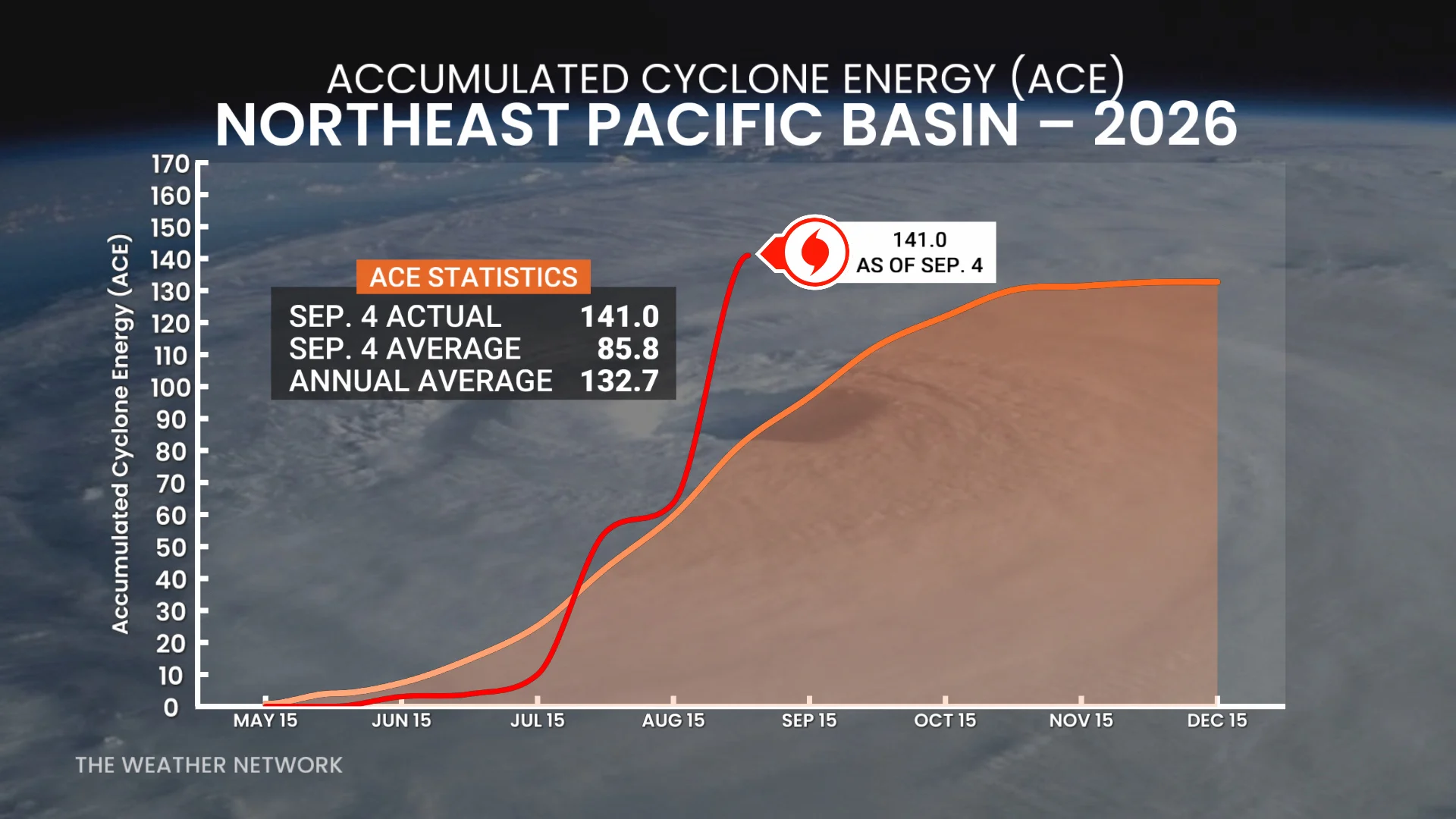
The northeastern Pacific’s Accumulated Cyclone Energy (ACE), which accounts for storm strength and longevity, sat at 141.0 around midday on Friday, Sept. 4. The region's average ACE for Sept. 4 is 85.8, and this actually exceeds the northeastern Pacific’s entire annual average ACE value of 132.7.
El Niño is the driving force behind both extremes
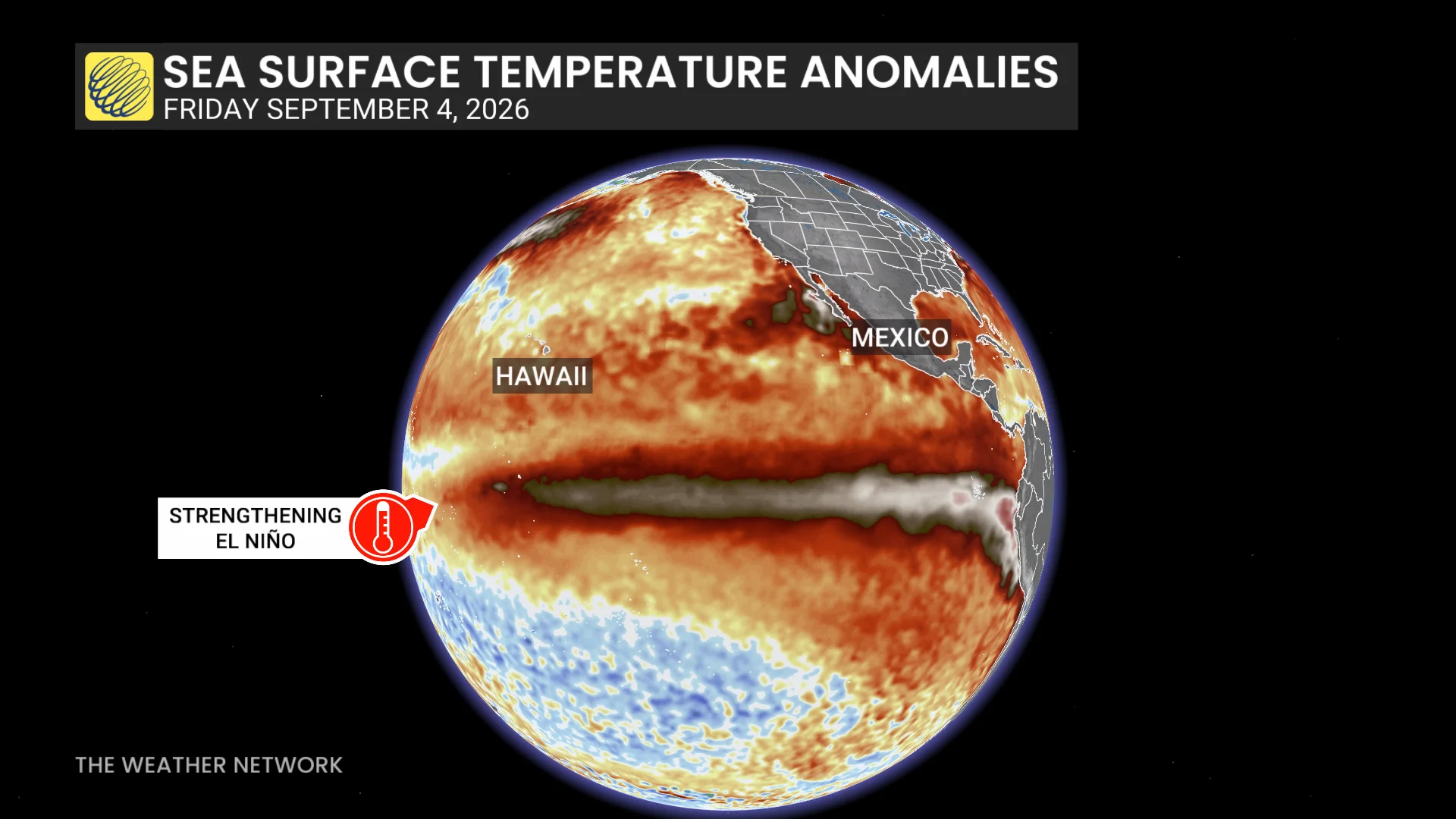
A powerful El Niño is the driving force behind both the historically quiet Atlantic basin and the overachieving Pacific basin.
Abnormally warm water temperatures and favourable atmospheric conditions have allowed the entire Pacific, stretching from the Philippines to Mexico, to produce one tropical cyclone after another. This is expected during El Niño years.
Meanwhile, a combination of disruptive wind shear, slightly cooler waters, dry air, and a relative lack of disturbances rolling off Africa have worked together to keep the lid on activity over in the neighbouring Atlantic.
The Atlantic’s quietness likely won’t last forever. History shows that even the most intense El Niño years produce at least one hurricane, and there’s a long list of particularly destructive storms that were able to sneak through otherwise unfavourable conditions.
Coastal residents should remain prepared for hurricanes through the end of the season on Nov. 30. Folks across Ontario and Quebec should also stay ready for potential flooding, power outages, and tornadoes caused by the remnants of storms hitting the U.S.