23-year-old snowmobiler dies in Kootenay Pass avalanche; high risks in B.C.

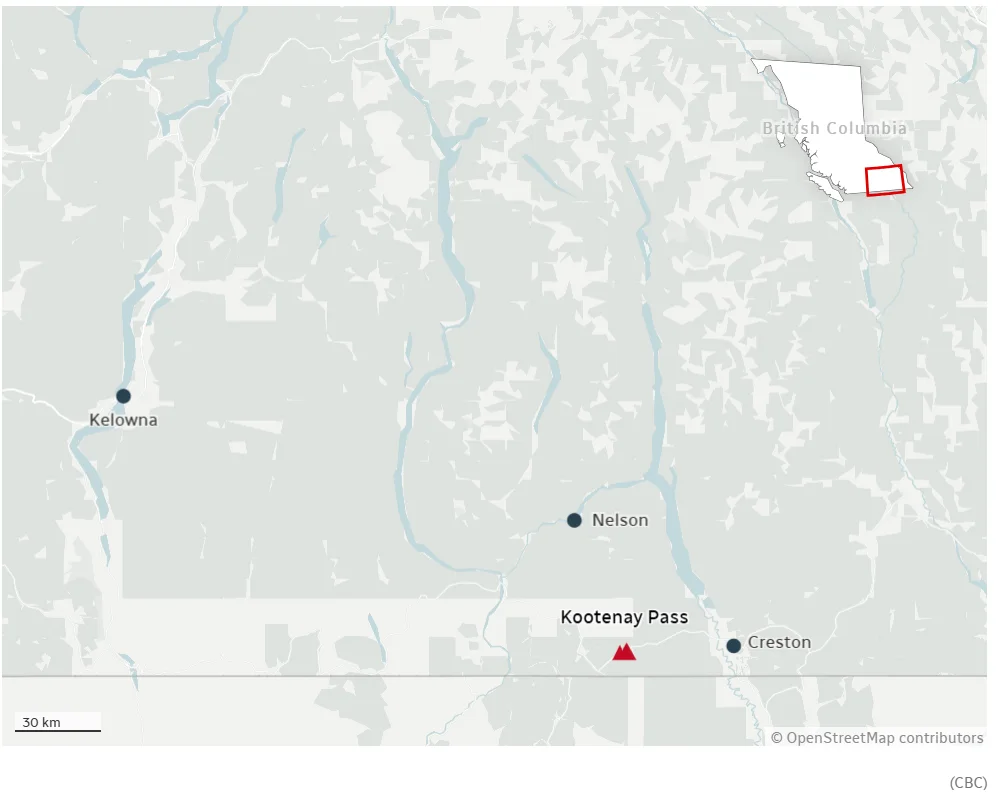
A snowmobiler has died in B.C.’s Interior after an avalanche in the Kootenay Pass area on Saturday, RCMP says, as forecasters warn hazardous conditions persist across the province.
Avalanche Canada said two snowmobilers were on a slope under a transmission line in the province's Selkirk mountain range when they triggered an avalanche. Both were buried before being dug out by other riders in the area, but RCMP says one of them, a 23-year-old man, did not survive.
It comes just a day after a 15-year-old from Calgary, Alta., died after being buried in an avalanche in the Nakiska ski area, near Kananaskis.
DON'T MISS: Has the snowpack in B.C. and Alberta reached a dangerous tipping point?
Risks of avalanche is considerably high across much of Western Canada, according to Wendy Lewis, a forecaster with Avalanche Canada.
She says the danger levels in the Kootenay Pass region is rated “considerable” with recent storm snow adding stress to persistent weak layers buried in the snowpack.
“That's the situation we have more widely in the Interior right now, which is a very weak complex snow pack with buried weak layers,” she said. “We've had a lot of new snow on top that's stressing those weak layers. Those conditions contributed to that avalanche.”
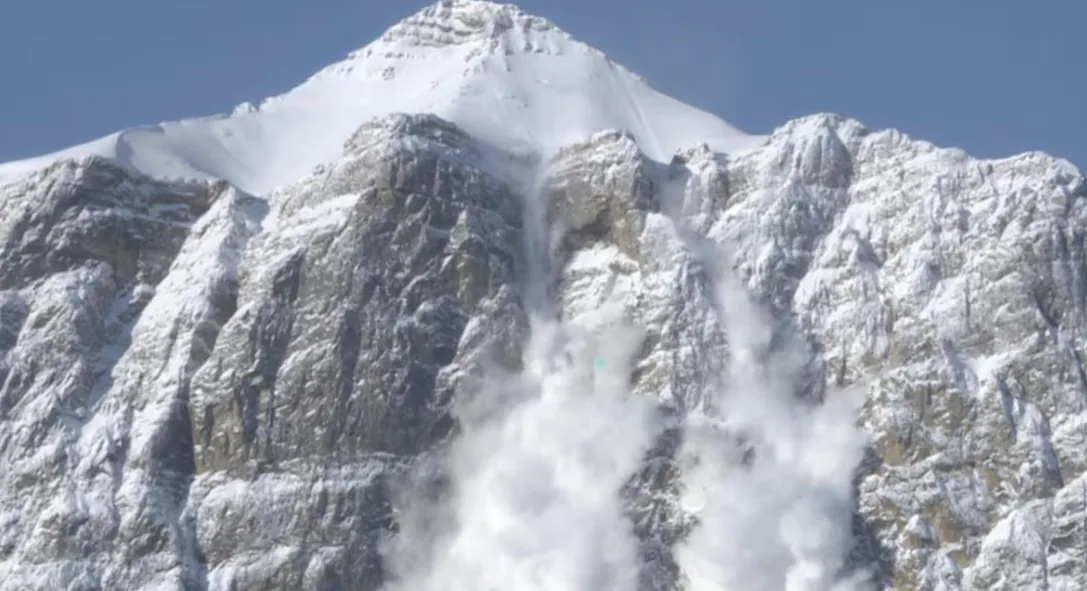
The avalanche was rated a size 2.5 on the five-point destructive scale, which according to the organization is large enough to bury, injure or kill a person.
The fatality at Kootenay Pass is B.C.’s fifth this season.
RELATED: 15-year-old Calgarian dies after avalanche in Nakiska area: RCMP
A professional backcountry snowboarder from Oregon died in a slide near Joffre Lakes Park on Feb. 24. Less than a week earlier, a skier was killed east of Revelstoke after being buried in an avalanche. On Feb. 17, a snowmobiler died near Fernie, and another was killed in December near Tumbler Ridge in northeast B.C.
Fresh snow and strong winds have created high avalanche risk across several regions of B.C. As of March 1, northwestern and southeastern B.C., including parts of the Revelstoke mountain ranges, are rated at high risk.
Lewis said when the rating is high, the advice is straightforward.
“Avoid exposure to avalanche terrain” she said. “Stick to non-avalanche terrain, so low angle slopes free from overhead hazard where you're unlikely to be affected by an avalanche.”
The forecaster added that blue skies after a storm can create a false sense of security.
“We call it powder fever … after a storm, it can be very enticing to head out.,” she said. “We're encouraging people to recognize it's not time yet. It's time to stay conservative.”
Search and rescue adjusting response
Dave Merritt, avalanche and winter response lead with Prince George Search and Rescue, said teams across the province are seeing increased calls following heavy snowfall in recent days.
“We got well over a metre and a half of snow in certain areas,” he said. “The avalanche danger has gone up. People are really wanting to enjoy the snow.”
Merritt said rising hazard levels mean search and rescue teams must sometimes delay operations to ensure volunteer safety.
“We may not get to you until daylight because we can’t put volunteers in terrain unless we can assess the avalanche hazard, which is almost impossible to do at night,” he said.
He urged backcountry users to adjust plans and avoid risky terrain.
“If you’re snowmobiling, maybe just don’t go to the mountains that day,” he said. “There are lots of opportunities in Western Canada to adjust our plans.”
Both Lewis and Merritt are urging backcountry users to check local forecasts and take avalanche skills training to stay informed on the conditions.
WATCH: This avalanche safety course is essential if entering the backcountry
This article was originally published for CBC News. With files from Shaurya Kshatri and Sam Samson.