Not ragweed: The main culprit behind your seasonal allergies this fall

Why ragweed may not take the allergy top spot this fall
About 25 percent of Canadians deal with seasonal allergies. Ragweed usually dominates the headlines in the fall, but this year is different.
“We do anticipate that it will be a bit of a lighter season than last year,” says Daniel Coates, Director at Aerobiology Research Laboratories. “Probably about 70 per cent of the grains that we saw last year."
DON'T MISS: Canada's 2026 fall forecast calls for a pause on cold weather
This is excellent news for residents of Ontario, Quebec, and Manitoba, as these provinces typically experience the highest levels of ragweed pollen. However, due to the excessive rain we've seen across the country this year, the allergy season will look and feel a little different.
“Ragweed and all plants do love rain, but excessive amounts of rain will wash the pollen out of the air. Allergy sufferers do not get the typical symptoms that they usually experience since the pollen has been washed down to the ground and into the sewer systems or the grass, etc.,” explains Coates.
RELATED: Do I have a cold or allergies? How to tell the differnce
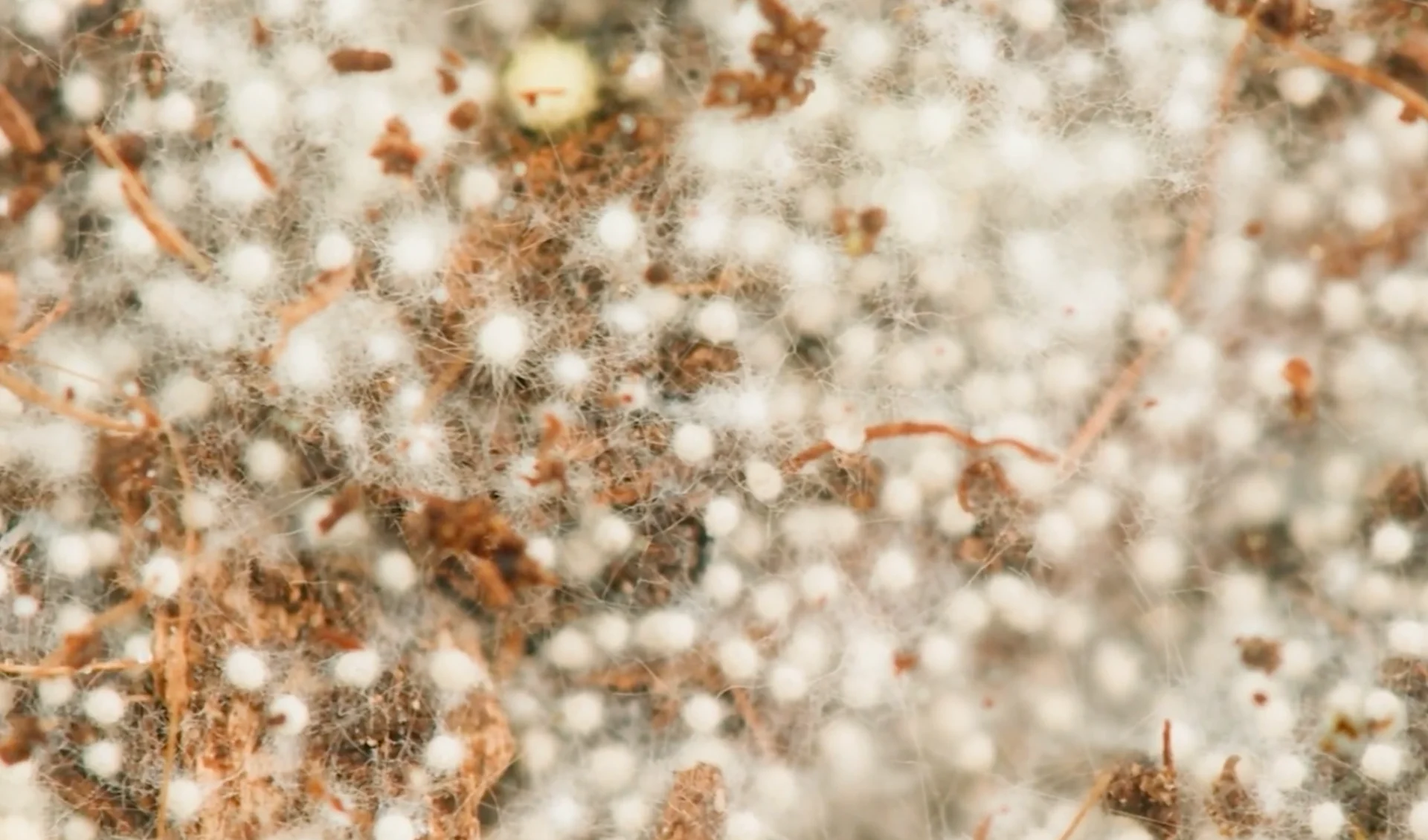
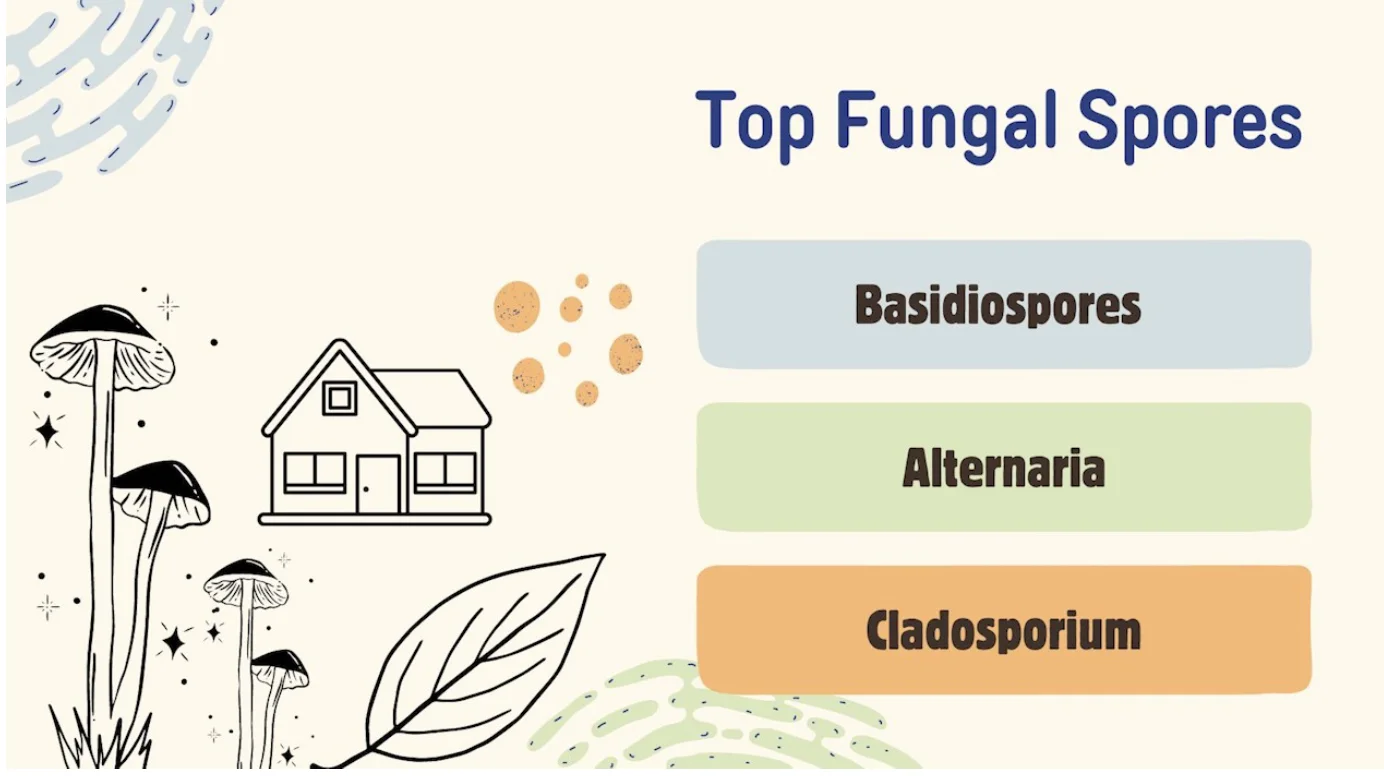
This phenomenon, however, does not mean allergy season is cancelled. As we move through September, we expect some spikes in ragweed pollen, but due to the wet summer we've experienced, the biggest concern this season will be mold spore allergies. These allergies are caused by the reproductive systems of fungi and other outdoor elements such as rotting logs, compost piles, and damp grass or leaves.
“Outdoor mold spores thrive in rain, so we are actually seeing moderate to very high levels across Canada, especially right now in the Prairies,” says Coates.
Whether it's pollen or mold that's causing your symptoms, there are several effective solutions to help manage them.
“The best choice oftentimes is non-drowsy antihistamines that can help with sneezing, itchy eyes, and a runny nose,” says pharmacist Victor Wong. “If you only have itchy and watery eyes, allergy eye drops can provide targeted relief. Lastly, a saline nasal rinse can be really helpful since it physically washes the pollen and allergens out of the nasal passages.”
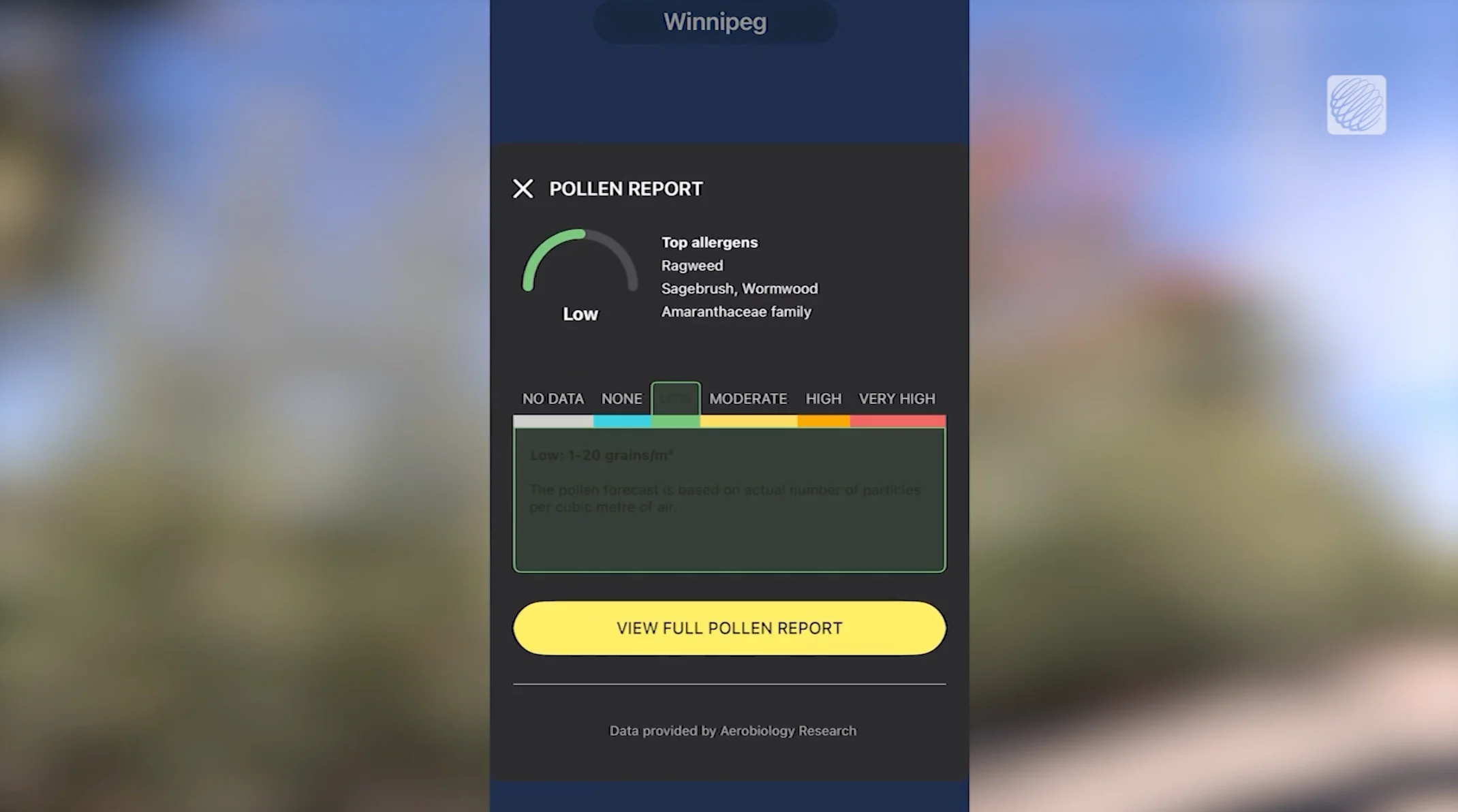
You can receive daily updates on pollen levels in your city using The Weather Network app. (The Weather Network)
When it comes to allergies, prevention is key. The Weather Network app provides an updated pollen forecast every day to help you stay ahead of your symptoms this fall.