Dolly dissipates in Atlantic, but heavy rain may cause flooding

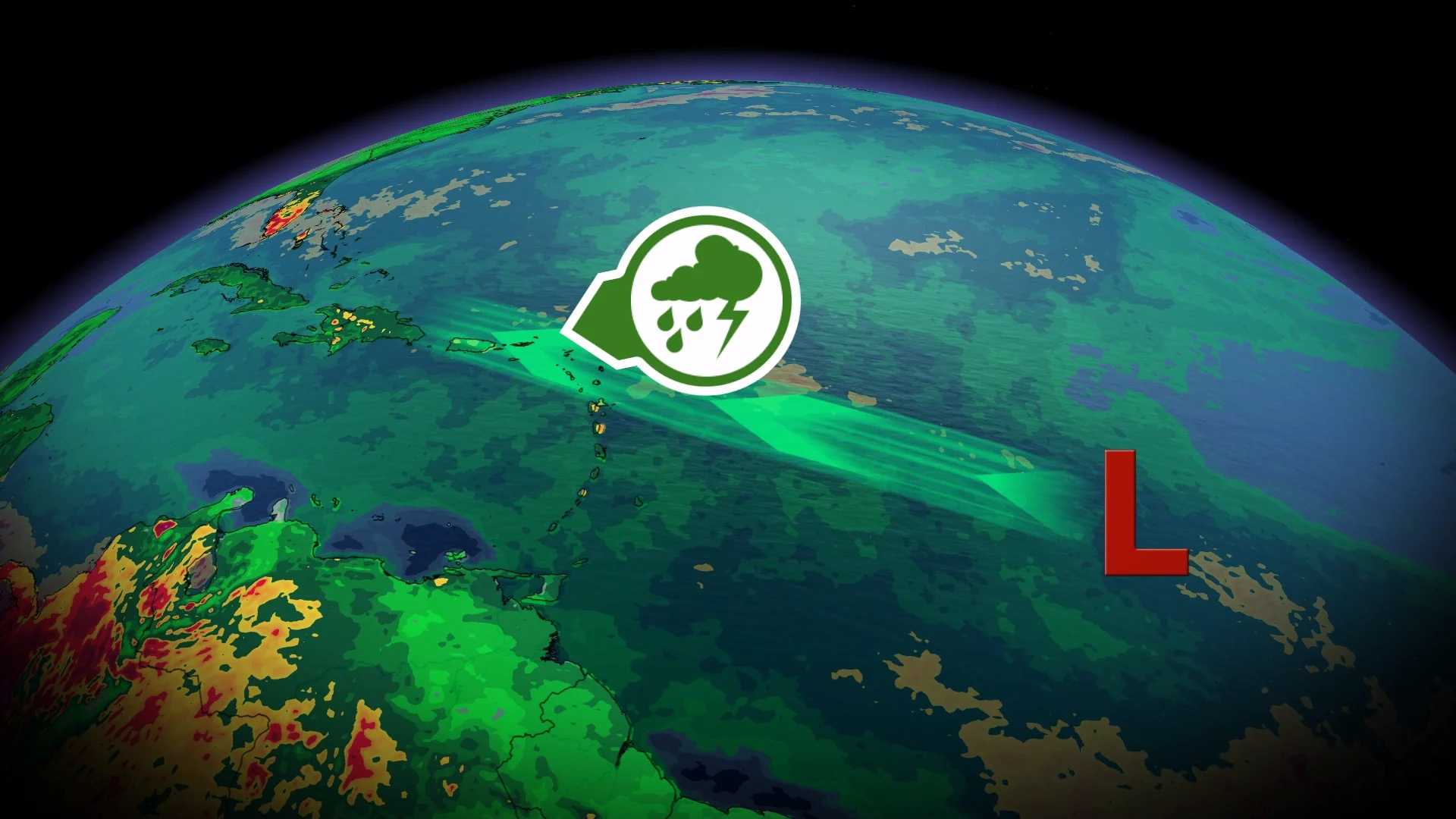
Tropical Storm Dolly dissipated in the Atlantic on Friday, though the storm’s remnants may bring flooding to the Caribbean this weekend
The fourth named storm of this Atlantic hurricane season didn’t last very long in the face of hostile conditions in the region.
Forecasters announced Friday morning that Tropical Storm Dolly lost its tropical characteristics just one day after it formed in the tropical Atlantic.
The storm’s story isn’t done just yet. Dolly’s remnants may bring beneficial rains to the Caribbean, and we’ll have to watch the potential for regeneration in the days ahead.
DON’T MISS: How do Atlantic hurricanes get their names?
A short-lived tropical storm
Tropical Storm Dolly formed from a disturbance that rolled off the coast of Africa earlier this week.
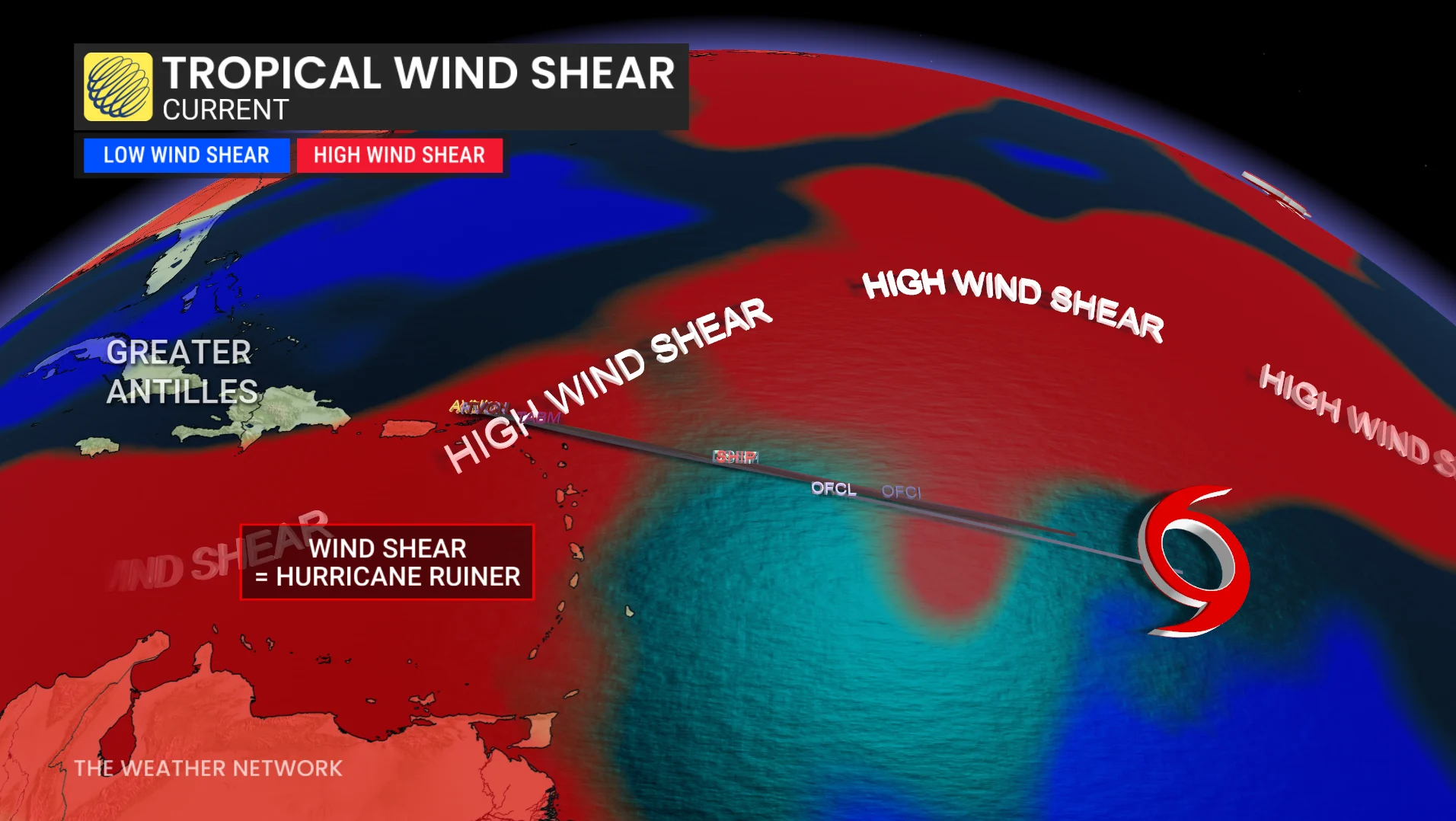
Even though we’re entering peak season for tropical systems in the Atlantic, conditions remain unfavourable across the basin due to a powerful El Niño in the neighbouring Pacific.
The storm remained weak and struggled against the odds, ultimately falling apart amid strong wind shear on Friday morning.
Beneficial rains for the Caribbean are possible
Tropical systems aren’t the only way El Niño influences overall weather patterns. We’ve seen a historically dry summer across parts of the Caribbean this year.
San Juan, Puerto Rico, only recorded 82.6 mm of rain between June 1 and Aug. 27, making this their driest summer since records began in 1899. The city usually picks up 431 mm of rain during an average summer.
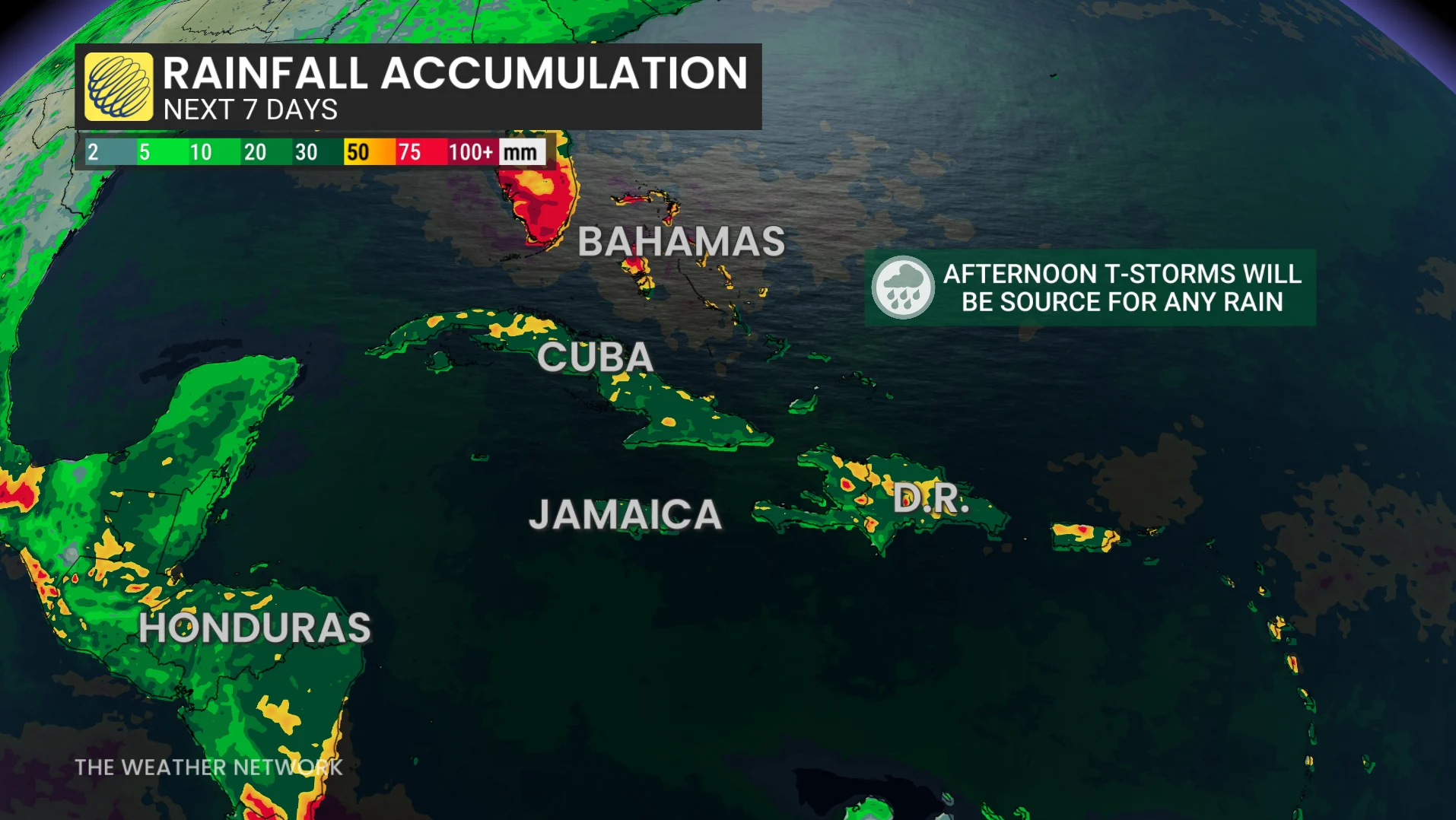
As a result, residents in and around San Juan are enduring water shortages that include municipal water shutoffs that can last several days at a time.
Dolly’s remnants could bring some beneficial rainfall to the region through early next week, though it could prove too much of a good thing.
The U.S. National Hurricane Center (NHC) warned that “this heavy rain may produce flash flooding within areas of higher terrain of the Leeward Islands.”
Regeneration potential as we head into peak hurricane season
Any disturbance or former tropical system bears watching in the Atlantic basin, especially as we quickly approach the peak of hurricane season in early September.
Forecasters will continue watching Dolly’s remnants in the days ahead for potential signs that they may regenerate into a tropical system as it heads west toward the Caribbean.
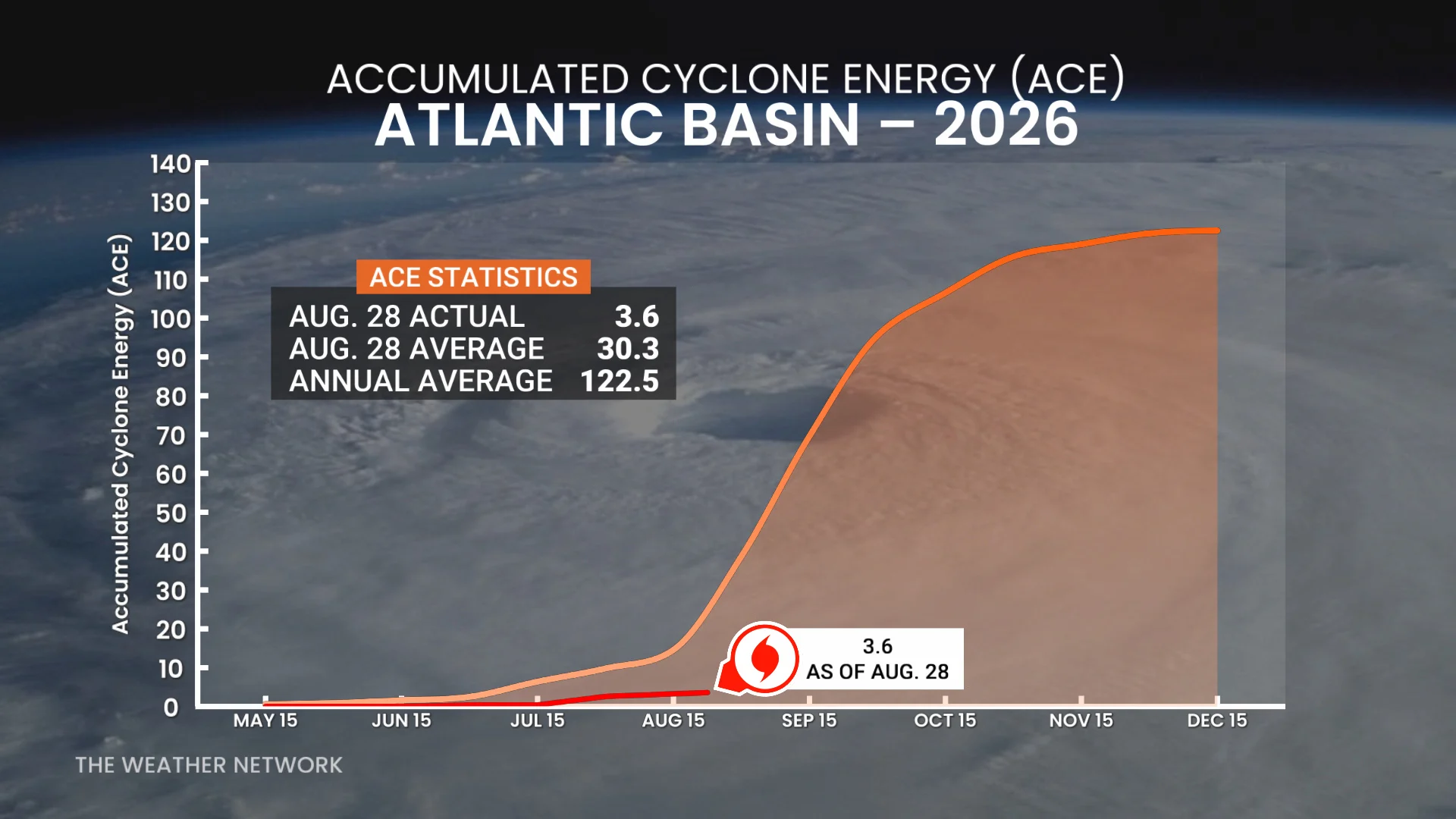
El Niño’s disruptive influence has kept this a very quiet hurricane season so far. The year’s Accumulated Cyclone Energy (ACE) stands at just 3.6 as of Aug. 28, which is just 11 per cent of the normal value of 30.3 for this point in the season.
A remarkable naming coincidence
Many folks have also noted the coincidence in the formation of a tropical storm named Dolly during the same week that we note the passing of country music legend Dolly Parton.
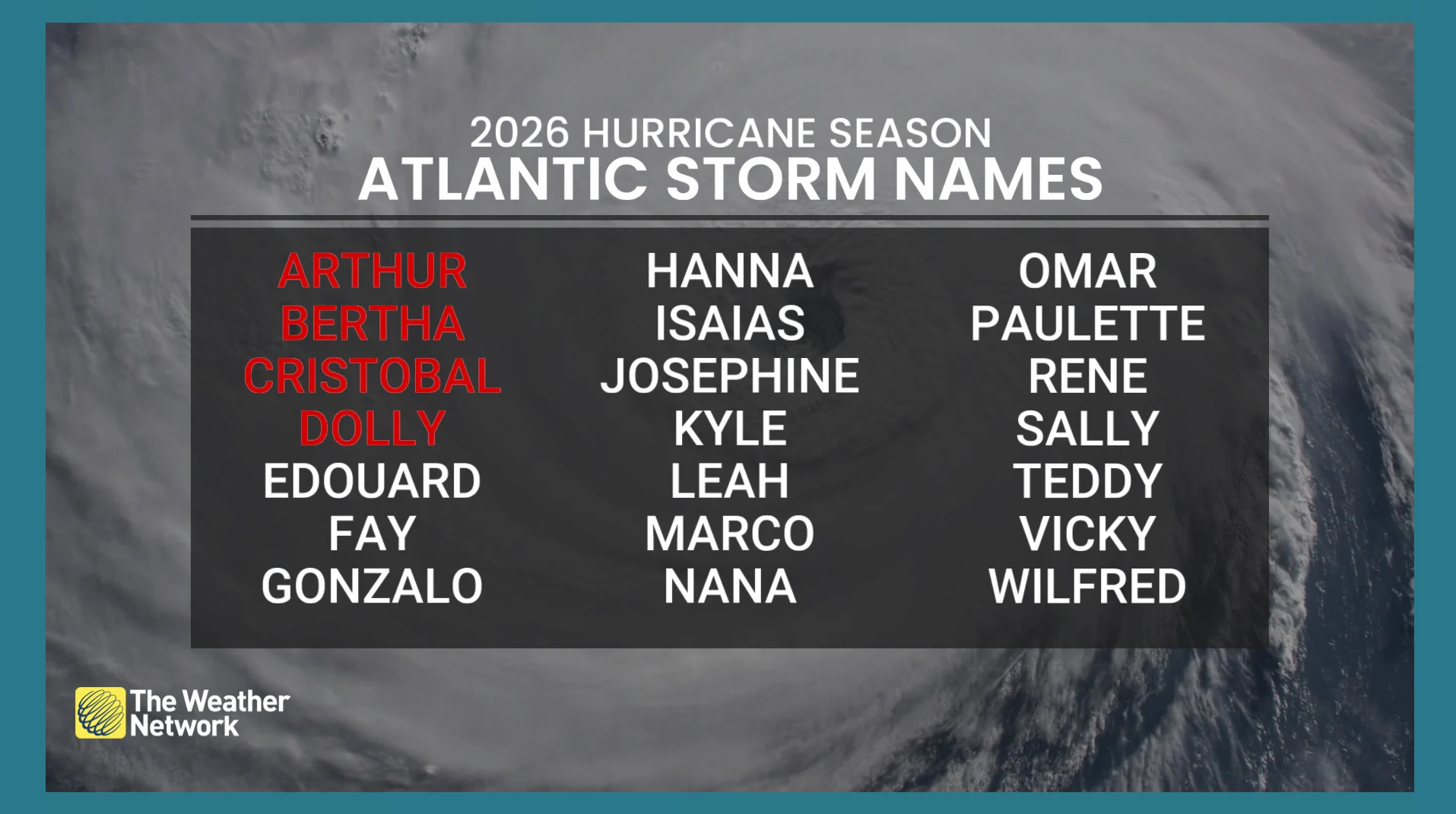
Tropical cyclones around the world earn their names from predetermined lists approved by the World Meteorological Organization.
The name Dolly came into use in 1996 to replace the name Diana after it was retired in 1990, and it’s been used for the season’s fourth named storm every six years since.
The next name on the list for the Atlantic basin will be Edouard, followed by Fay and Gonzalo.