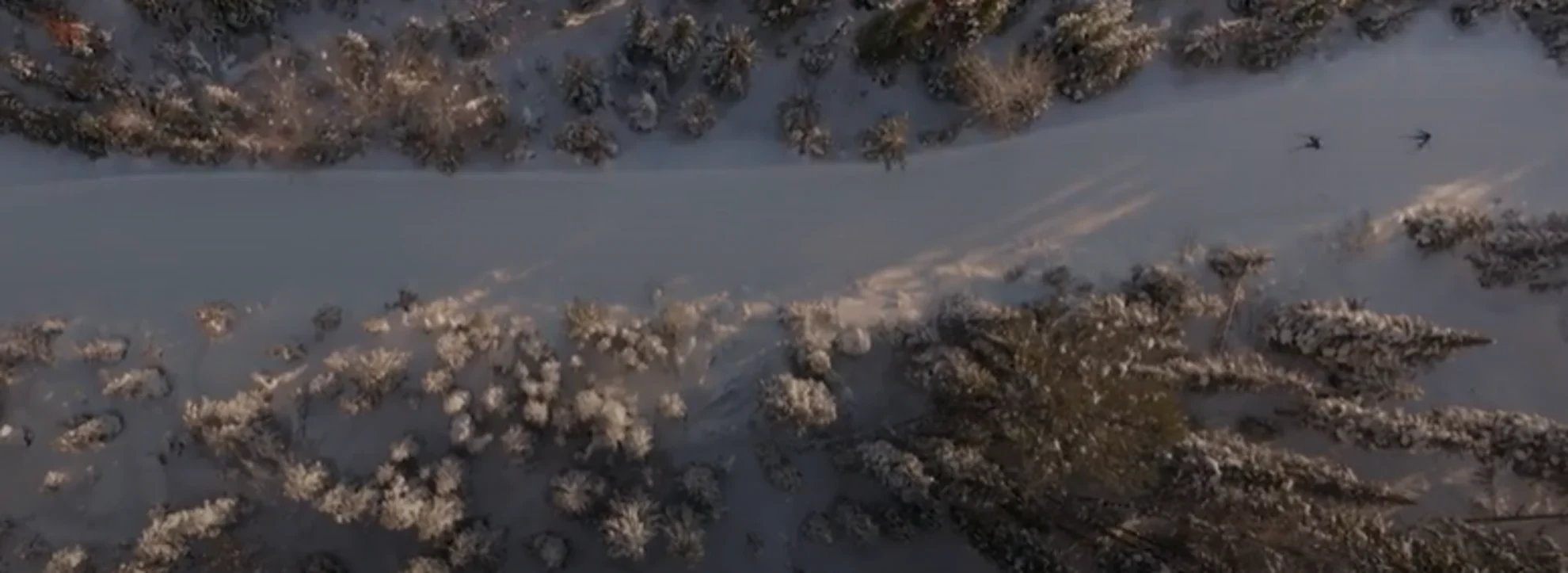
Low snowpack in Interior B.C. sparks concerns for agriculture and wildfire risks

The Interior is experiencing record-low snowpack this year, impacting businesses dependent on snow
The Interior of British Columbia is experiencing one of the lowest snowpacks on record this year, creating challenges for industries and broader environmental concerns.
Businesses reliant on snow, such as the Telemark Nordic Centre in West Kelowna and the Overlander Ski Club in Kamloops, have been forced to close due to insufficient snowfall. Telemark stated on its website that trail conditions have deteriorated to unsafe levels, though they remain hopeful for reopening if weather conditions change.
DON'T MISS: Canada's 2026 Spring Forecast: Taking the scenic route from winter to summer
Some outdoor retailers have shifted to spring inventories early, replacing ski gear with bicycles.
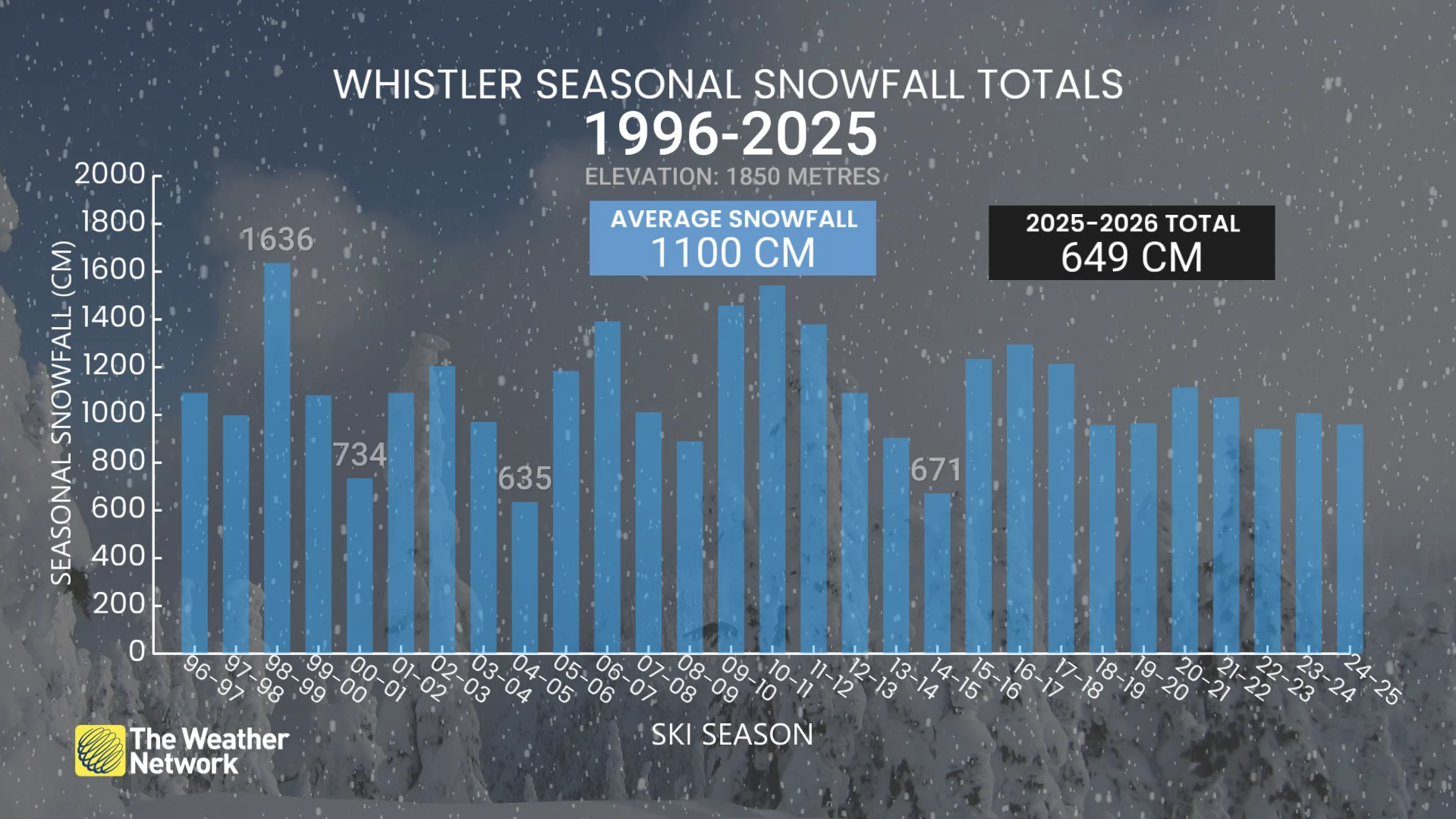
However, the impacts of low snowpack reach beyond winter recreation. The region, which plays a key role in B.C.’s $900 million agricultural sector, is bracing for potential droughts due to reduced snowmelt.
Lake Country Mayor Blair Ireland is urging water conservation and is encouraging residents to prepare for an increased risk of wildfires later this year.

These conditions serve as a reminder of the challenges that can arise from below-average snowfall and their ripple effects across multiple sectors. Residents are encouraged to stay informed about any future advisories.
WATCH: B.C.'s snow comeback: 108 cm in 48 hours
*Thumbnail image courtesy: Topo Films / Explore North Okanagan