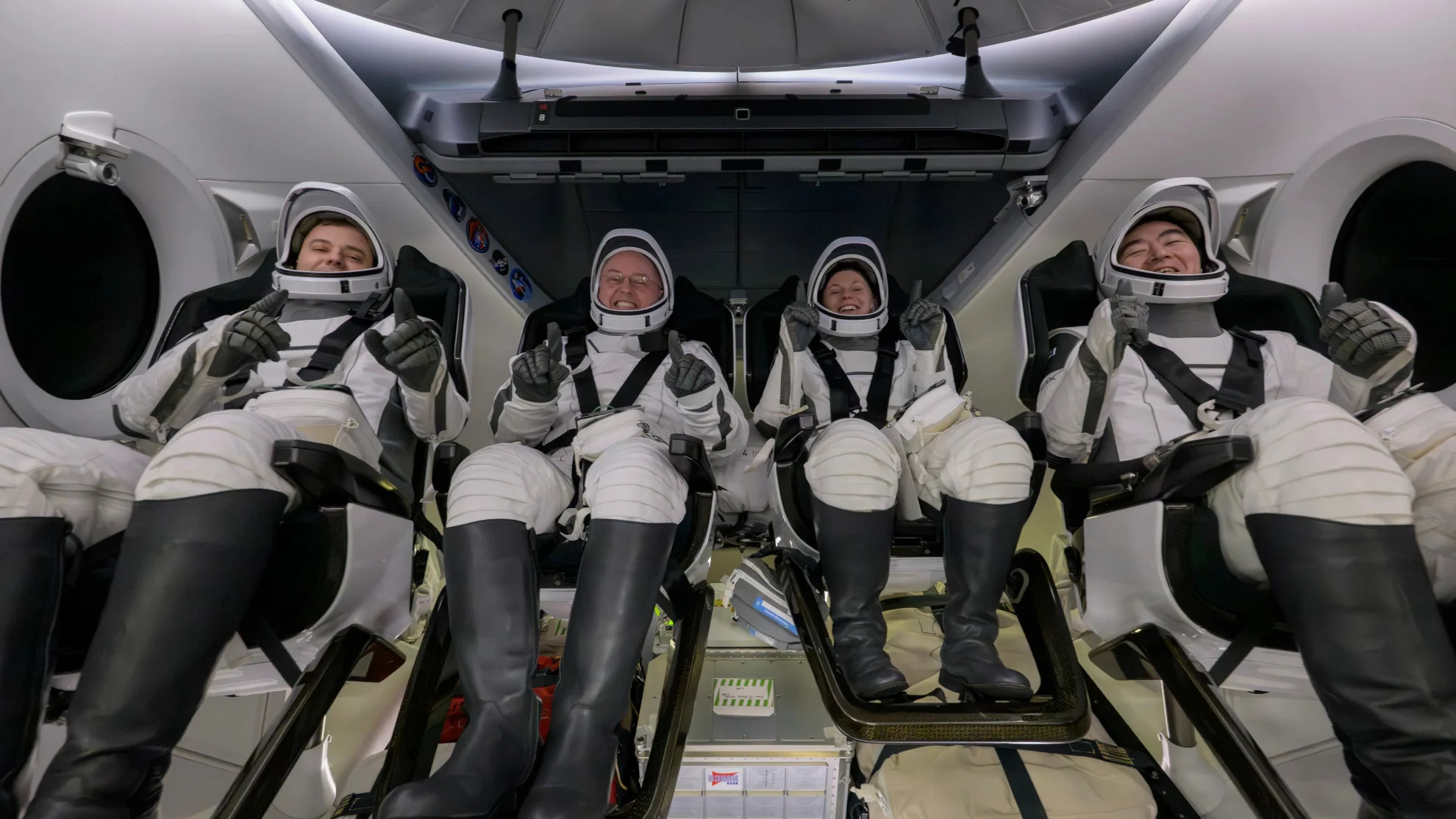
ISS astronauts return to Earth early due to illness of crew member

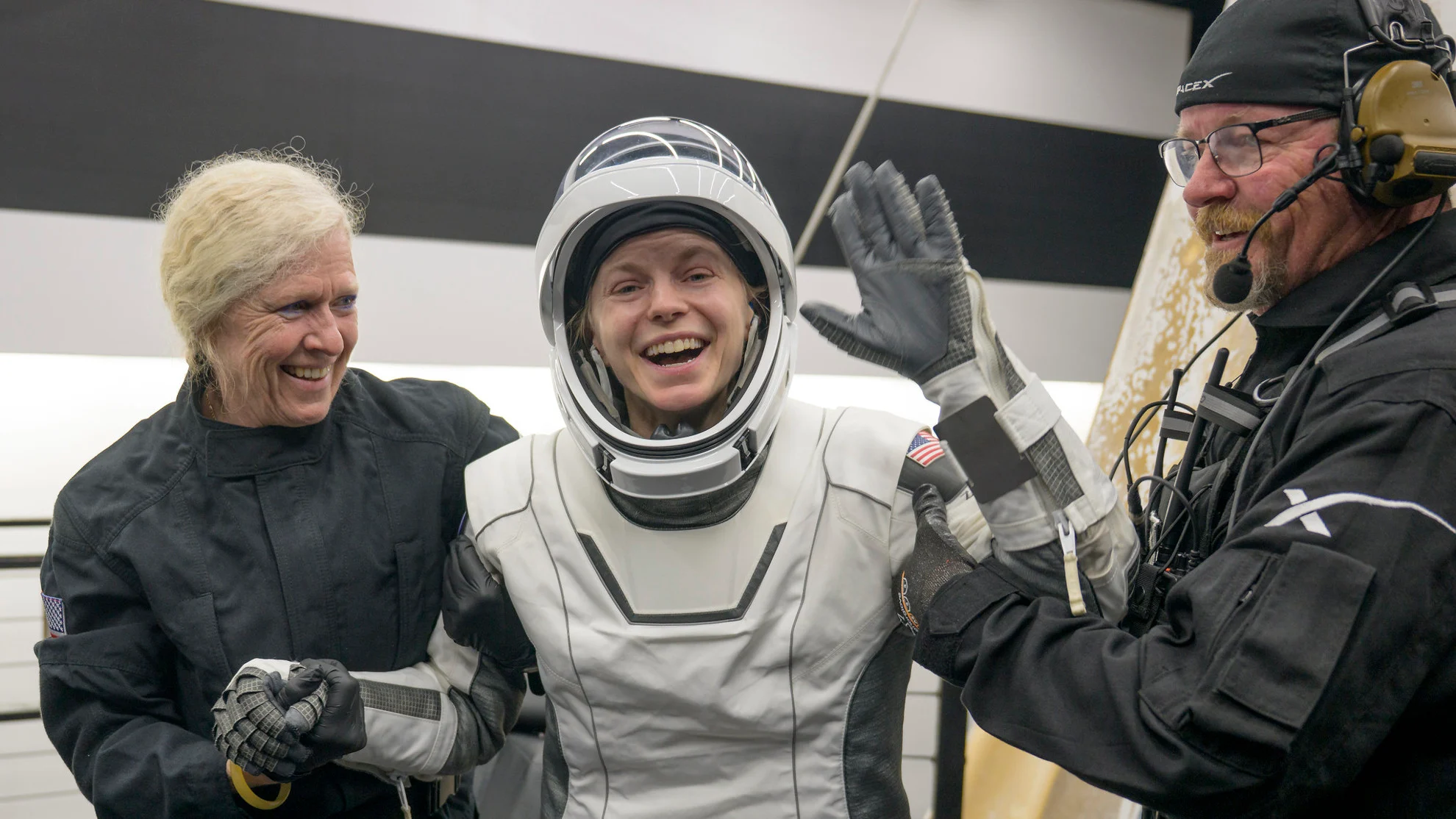
NASA astronaut Zena Cardman is helped out of the SpaceX Dragon Endeavour spacecraft, following Crew 11's return to Earth on Thursday, Jan. 15, 2026.(NASA/Bill Ingalls)
NASA’s Crew-11 landed back on Earth on Thursday from the International Space Station (ISS), after their six-month stint in space was cut short by a few weeks due to a crew member's undisclosed medical condition.
SpaceX guided the capsule to a middle-of-the-night splashdown in the Pacific near San Diego, less than 11 hours after the astronauts exited the space station.
Cardman and NASA's Mike Fincke were joined on the return by Japan's Kimiya Yui and Russia's Oleg Platonov. Officials have refused to identify the astronaut who developed the health problem last week or explain what happened, citing medical privacy.
Jared Isaacman, NASA administrator, said that astronaut was "doing fine" in a short news conference of agency officials after the landing, adding that NASA would provide updates on their health "as soon as it's appropriate to do so."
"To be overwhelmingly clear, Crew-11 was a very successful mission," said Isaacman, citing studies performed on bone loss and microgravity, and the long-term storage of cryogenic foods in space.
Joel Montalbano, deputy associate administrator at NASA, said the health issue did not necessitate any changes to undocking procedures.
Montalbano said the crew members will undergo a standard observation and, after an overnight stay in a San Diego-area hospital, it is expected they will travel to NASA headquarters in Houston on Friday should there be no issues.
NASA administrator said agency was prepared
Dr. Farhan Asrar, associate dean at Toronto Metropolitan University's school of medicine, told CBC News that, "for NASA itself, this has been unprecedented."
"When we look at the ISS 25-year history, this is the first time that, any time, a mission has been cut short specifically for a medical reason or undergoing a medical evacuation," he said. "There have been … [ISS] medical issues over time, though, as well, but not to the extent that led to a medical evacuation."
In 1976, a Soviet mission was cut short due to a noxious smell in the spacecraft, Asrar noted.
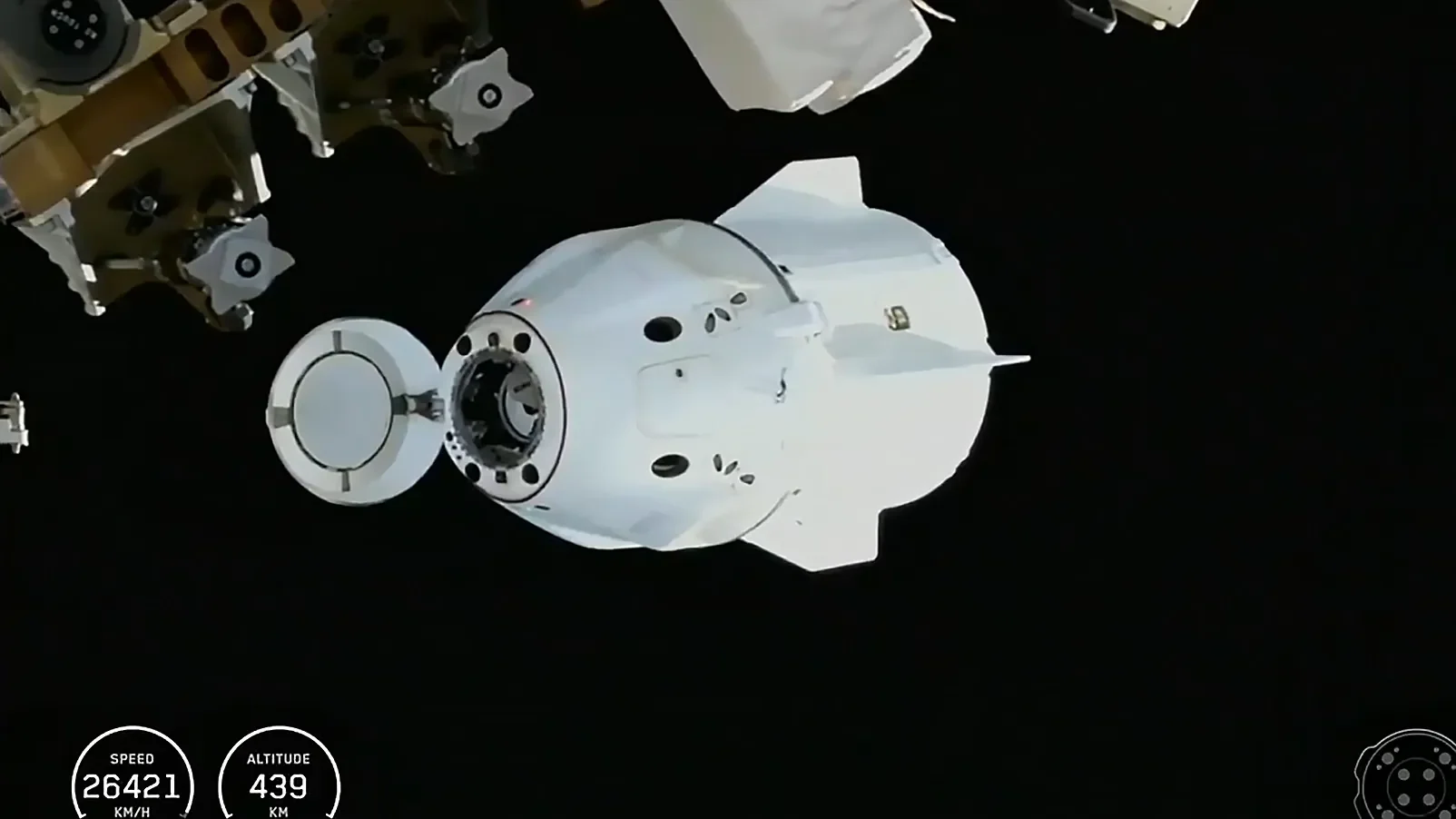
This screengrab from video provided by NASA TV shows the SpaceX Dragon departing from the International Space Station shortly after undocking with four NASA Crew-11 members inside on Wednesday. (NASA)
Isaacman on Thursday stressed that the agency prepares for a number of scenarios
During last week's news conference announcing the early return of the crew, Dr. James Polk, chief health and medical officer at NASA, stressed that it wasn't an "emergent" issue but that they felt best to return the astronaut to Earth in order to provide the necessary medical attention.
"We have a very robust suite of medical hardware on board the International Space Station, but we don't have the complete amount of hardware that I would have in the emergency department, for example, to complete a workup of a patient," Polk said.
"And in this particular incident that the medical incident was, was sufficient enough that we were concerned about the astronaut, that we would like to complete that workup. And the best way to complete that workup is on the ground where we have the full suite of medical testing hardware."
Although the crew returned a month earlier than expected, three people will remain on the ISS: Russian cosmonauts Sergei Mikaev and Sergey Kud-Sverchkov and NASA astronaut Chris Williams.
Crew-12, consisting of NASA astronauts Jessica Meir and Jack Hathaway, along with Russian cosmonaut Andrey Fedyaev and European Space Agency astronaut Sophie Adenot, is scheduled to head to the ISS on Feb. 15.
Meanwhile, NASA is preparing for its Artemis II mission, which will see Canadian Space Agency astronaut Jeremy Hansen, along with NASA astronauts Reid Wiseman, Christina Koch and Victor Glover, go around the moon. The launch is scheduled for no earlier than Feb. 6.

The official portrait of the four members of NASA’s SpaceX Crew-11 mission to the International Space Station is shown. From left to right are Oleg Platonov of Russia, Mike Pincke of the U.S., Kimiya Yui of Japan and Zena Cardman of the U.S. (Robert Markowitz/NASA)
Asrar said while this serves as a reminder about the challenges of space, it also shows how important crew safety is to NASA.
"Agencies and the decision-makers are willing to even cut [missions] short because [they view] astronaut health and safety as paramount," he said.
This article, written by CBC Senior Science Reporter Nicole Mortillaro, was originally published for CBC News on Jan 14, 2026, and updated on Jan 15, 2026.