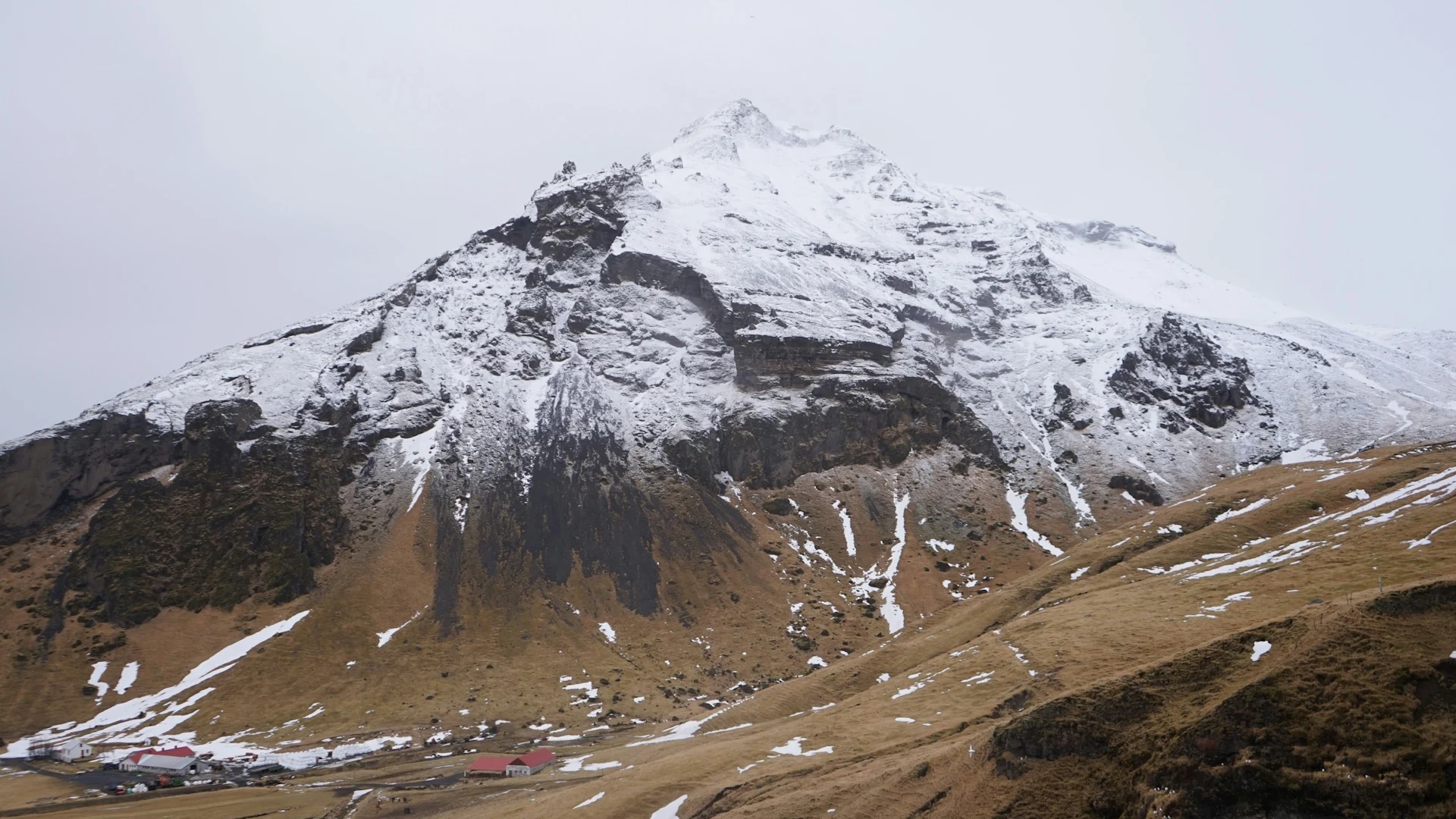
The freezing level is the invisible line that controls winter

Freezing levels can determine whether you get rain or snow
Snowflakes are fragile masterpieces. They’re strong enough to shut down entire cities when they band together, but individually they can melt to liquid rain at the slightest rise in temperatures.
Forecasters have to closely monitor the point at which snowflakes can melt into a cold rain. This point, known as the freezing level, is a critical factor during wintertime storms in the mountains.
DON'T MISS: The driving forces behind Canada’s extreme temperature swings

The atmosphere is a fluid that’s always in motion. Temperatures rise and fall with changing winds and dynamic storm systems.
We often see the freezing line on weather maps as a thin stripe that dictates which towns see dreary rain, messy ice, or a blanket of snow. But the weather isn’t a two-dimensional affair.
Temperatures also change with altitude. The freezing level is the height at which readings drop to 0°C. Precipitation above that height usually falls as snow, while rain is likely at elevations below the freezing level.

The point of the changeover is usually a few hundred metres below the freezing level because it takes a little bit of time for a snowflake to melt into a raindrop.
Meteorologists have to take freezing levels into account when forecasting precipitation in the mountains, especially across British Columbia and Alberta.
A cold storm can send the freezing level down to the coastline, which would bring snow all the way into downtown Vancouver. A potent atmospheric river that’s packed with tropical moisture can push freezing levels soaring to 2,500 metres or higher.
It’s possible to actually see evidence of the freezing level on mountainsides after a storm’s passage. The next time you’re in the mountains, look for the cutoff where the snow seemingly stops.
Header image courtesy of Unsplash.