Watch your cuts: How to properly prune your trees for optimal health

Learn the best practices for tree pruning to keep your trees healthy and safe.
Tree pruning happens all year round, but how much you're trimming and how often matters.
“The most important rule of thumb goes for all species of trees: remove as little as possible if you want to preserve the health of the tree,” says Kyle McLoughlin, Forest Health Supervisor for the City of Burlington, Ont.
“The old school number was 30 per cent.I can tell you, if I lost one-third of my stomach or my lungs, that would be really hard on my whole body. And it’s the same with trees,” he adds. “We are pushing in the industry to dial back on that number to 25 per cent maximum, or 20 per cent even ideally. So, that could be everything from your one limb that's really, really big—that's all you should be doing that year, or you’re doing lots and lots of little cuts.”
And the importance of preserving the health of trees not only depends on how much you cut but also HOW you cut, stresses McLoughlin.
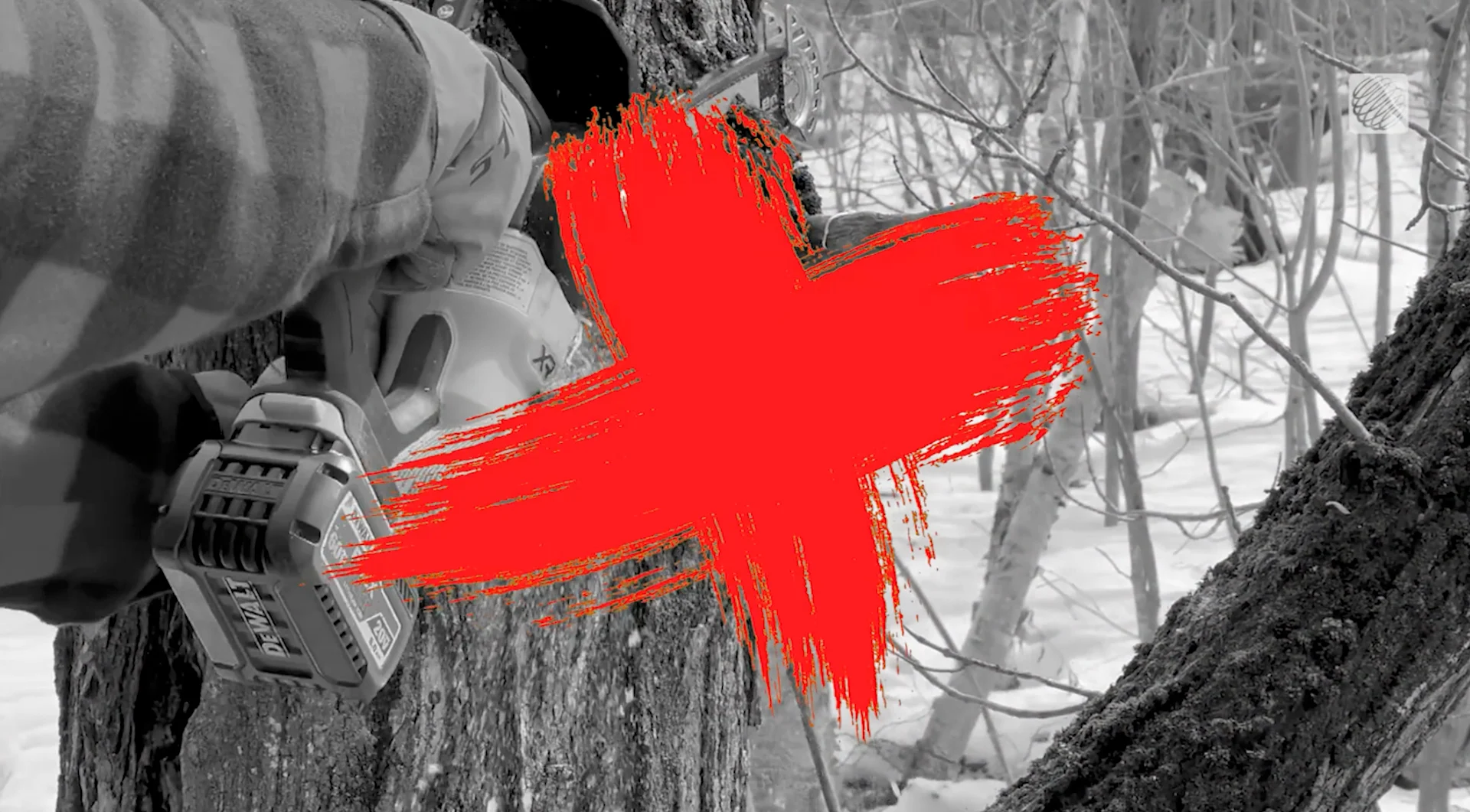
He says you don’t want to ‘flush cut.' It’s an outdated technique when you cut a limb right to the trunk of the tree—as opposed to leaving a stub or collar to give the tree a buffer.
SEE ALSO: Here are the best (and worst) times to prune your trees this year
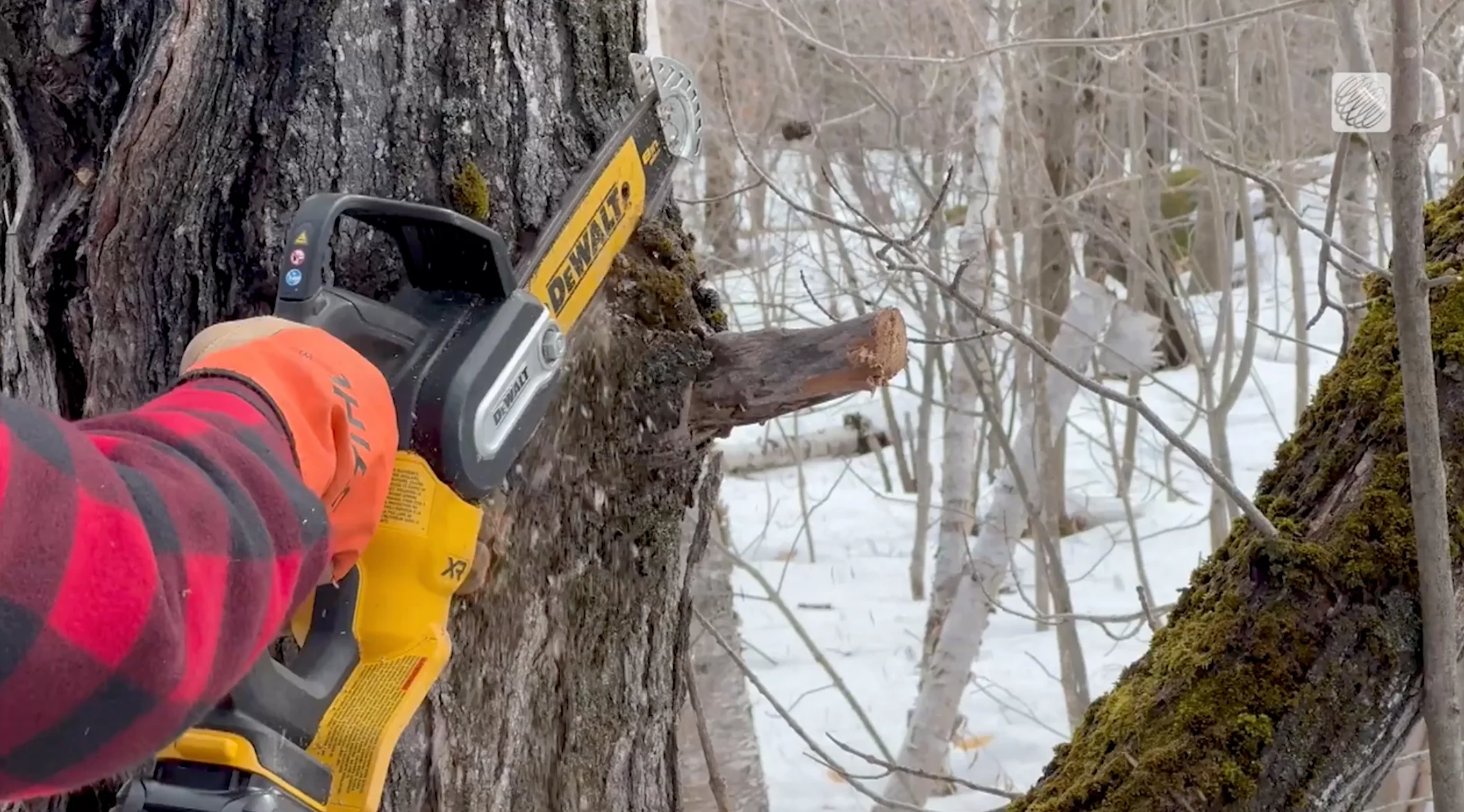
When trimming your trees, it's important to leave a stub or collar on the tree as a buffer. (The Weather Network)
"Those flush cuts introduce decay right in the heart of the tree stem and can not only drastically shorten the life of the tree from a health perspective but can also destabilize the tree and make it hazardous.
What you SHOULD be doing is a three-point cut.
“You cut the branch underneath first, and then you cut the top; there’s no tear, and the stuff that remains, you do what we call a collar cut so that the trunk doesn’t get that flush cut,” McLoughlin explains.
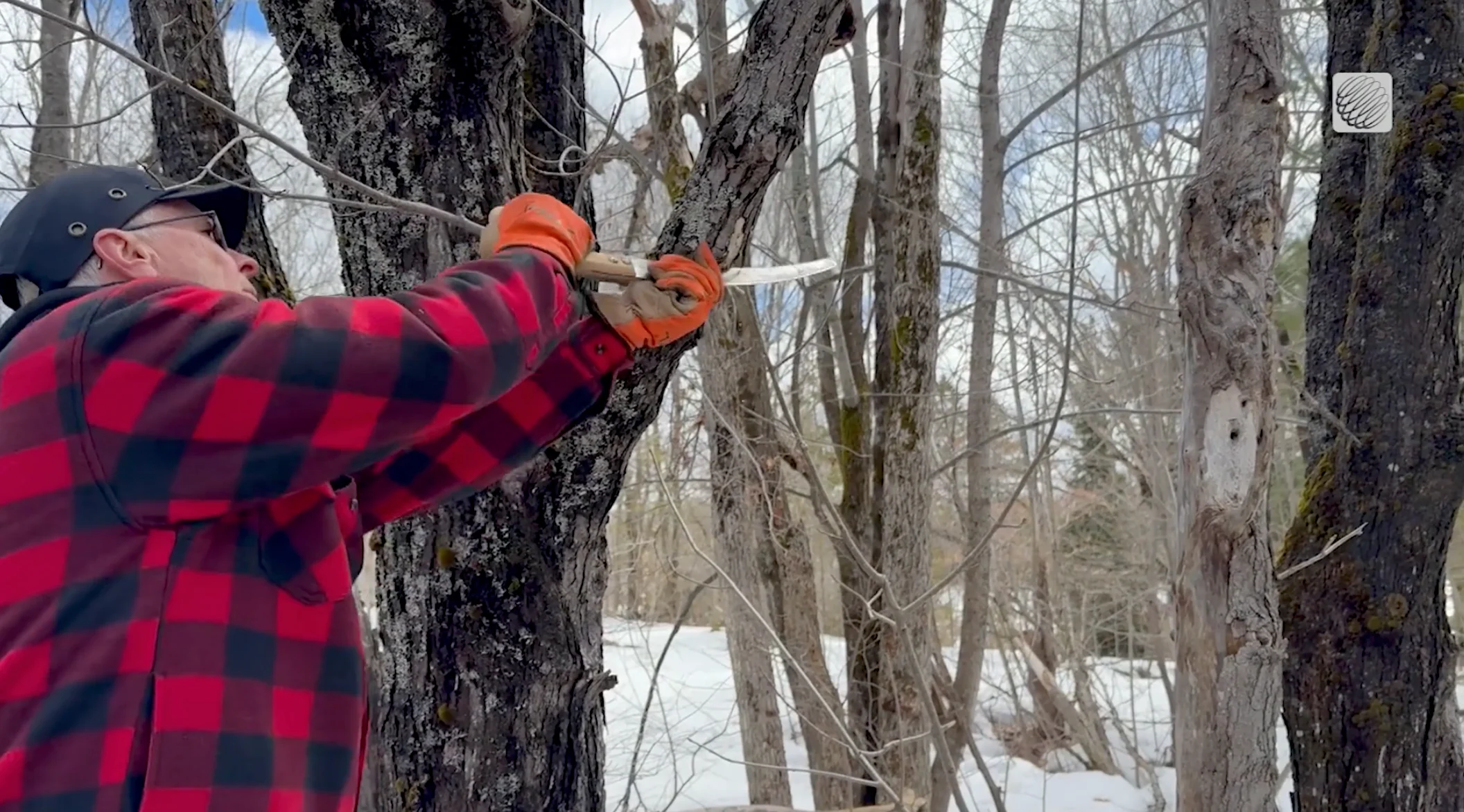
It's advised to cut the branch underneath first and then the top to avoid any tears. (The Weather Network)
When it comes to size, the largest you should ever leave a wound is 10 cm. So that means lots of little cuts more often are better than one big cut infrequently.
“If you have those really big wounds that at the trunk of the tree are 20 cm from top to bottom, those are too big for the tree to effectively seal off after the pruning,” says McLoughlin. "Again, this is where those small cuts go a long way—there's a smaller landing pad for these diseases to land on and start to reproduce.”
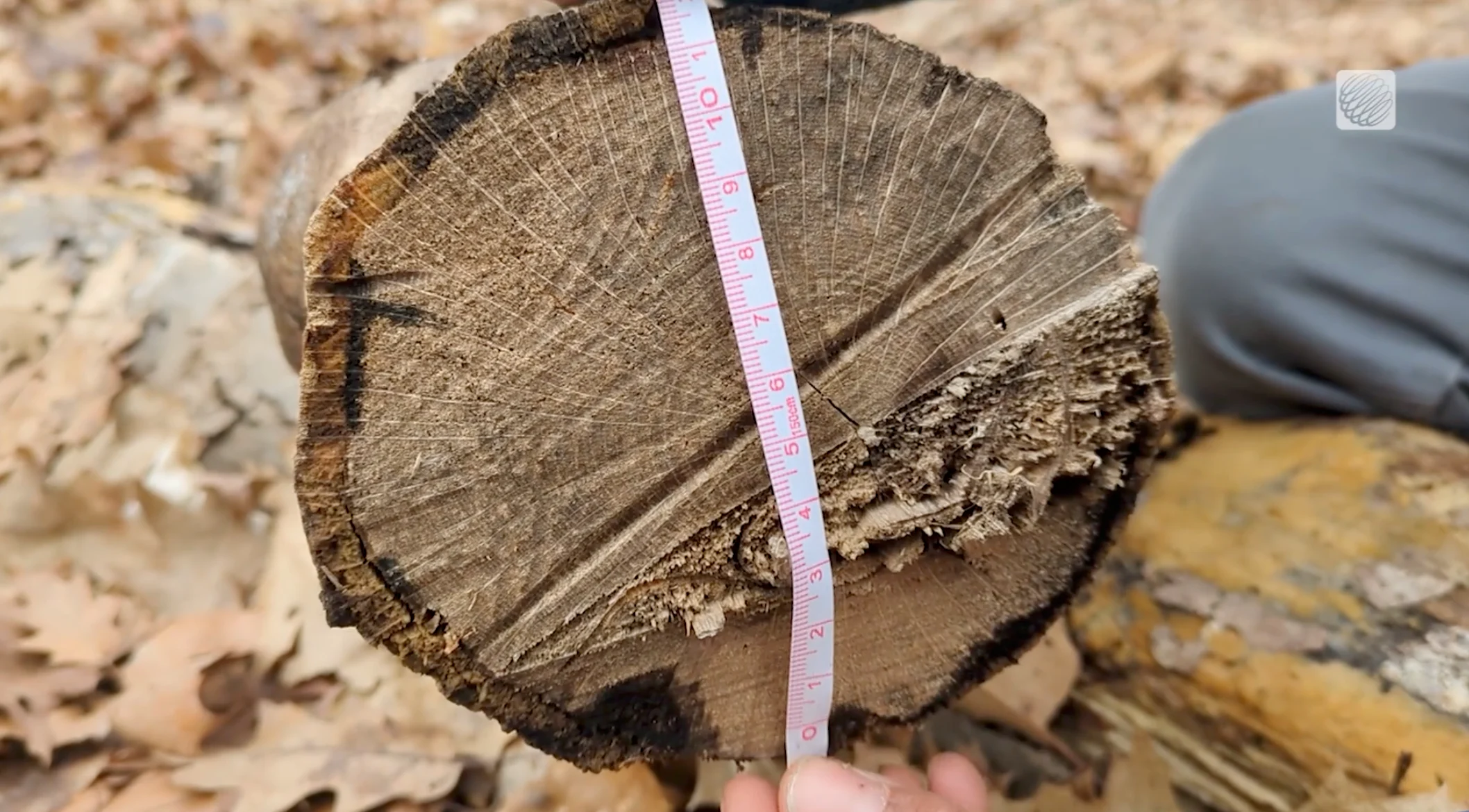
When it comes to size, the largest you should ever leave a wound is 10 cm. (The Weather Network)
Cities try to prune often and in small amounts as well.
“From a municipal point of view, as the years go on, the areas that get pruned in a proactive fashion are a lot less costly to manage in a reactive fashion when we have storms.”
For a demonstration of how and how much to trim your trees, watch the video that leads this article.