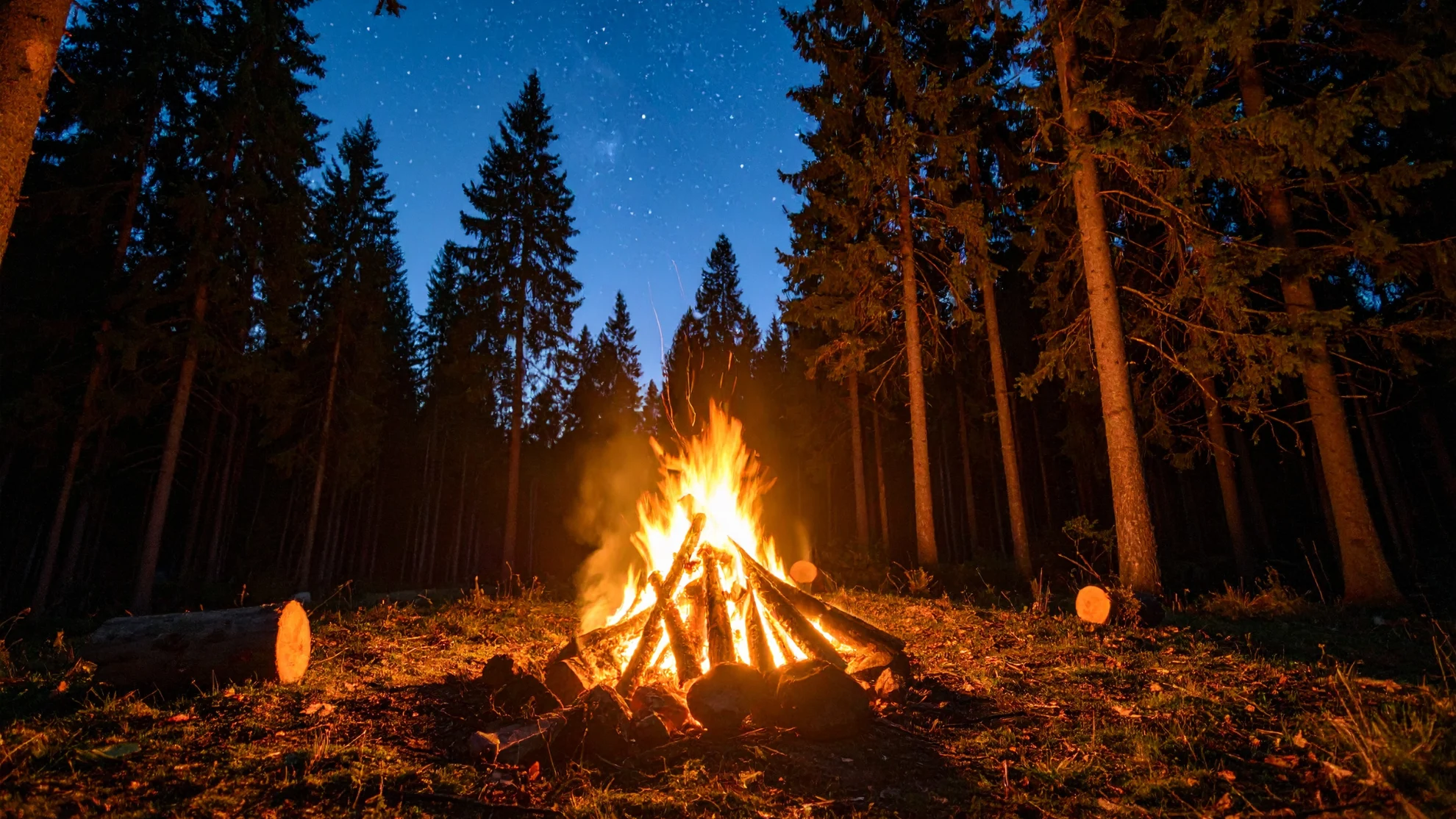
Did you know? Moving your firewood could cost you $50,000

The CFIA recommends buying and burning local firewood.
Cottage season means lots of time sitting around the campfire — and while picking up logs of wood on the way may seem harmless, it could end up costing you thousands, according to the Canadian Food Inspection Agency (CFIA).
Transporting firewood can introduce invasive plant and insect species into an ecosystem. In some cases, moving it from places where regulated pests have been found can result in fines up to $50,000 under Canada’s Plant Protection Act.
Here’s why moving firewood is a big deal
Wood can house invasive insects, eggs, larvae, invasive plant seeds, and diseases.
Sometimes, pests can be deep inside the wood and won’t be visible on the surface.
When infested firewood is moved to a new location, it can introduce these pests into an area where they previously didn’t exist, posing a threat to nearby native plants and animals.
Buy Local, burn Local
The CFIA recommends people buy local and burn local when it comes to firewood.
That means:
Buying wood harvested as close as possible to where you'll be burning it, ideally within 80 kilometres.
Asking your supplier where the wood came from.
Never assuming wood is pest-free simply because it looks clean.
Encouraging family and friends to follow the same practice when camping or gathering around a backyard fire.
August is tree check month
August is Tree Check Month in Canada, a public awareness campaign led by the CFIA encouraging people to inspect trees, plants, pets, and outdoor gear for the presence of destructive invasive pests and diseases.
Reporting suspected invasive insects and taking simple steps, like being mindful of where you purchase your firewood, can help stop the spread of invasive species.