Caught near a wildfire while hiking? Here's your survival guide

True backcountry safety is all about staying one step ahead
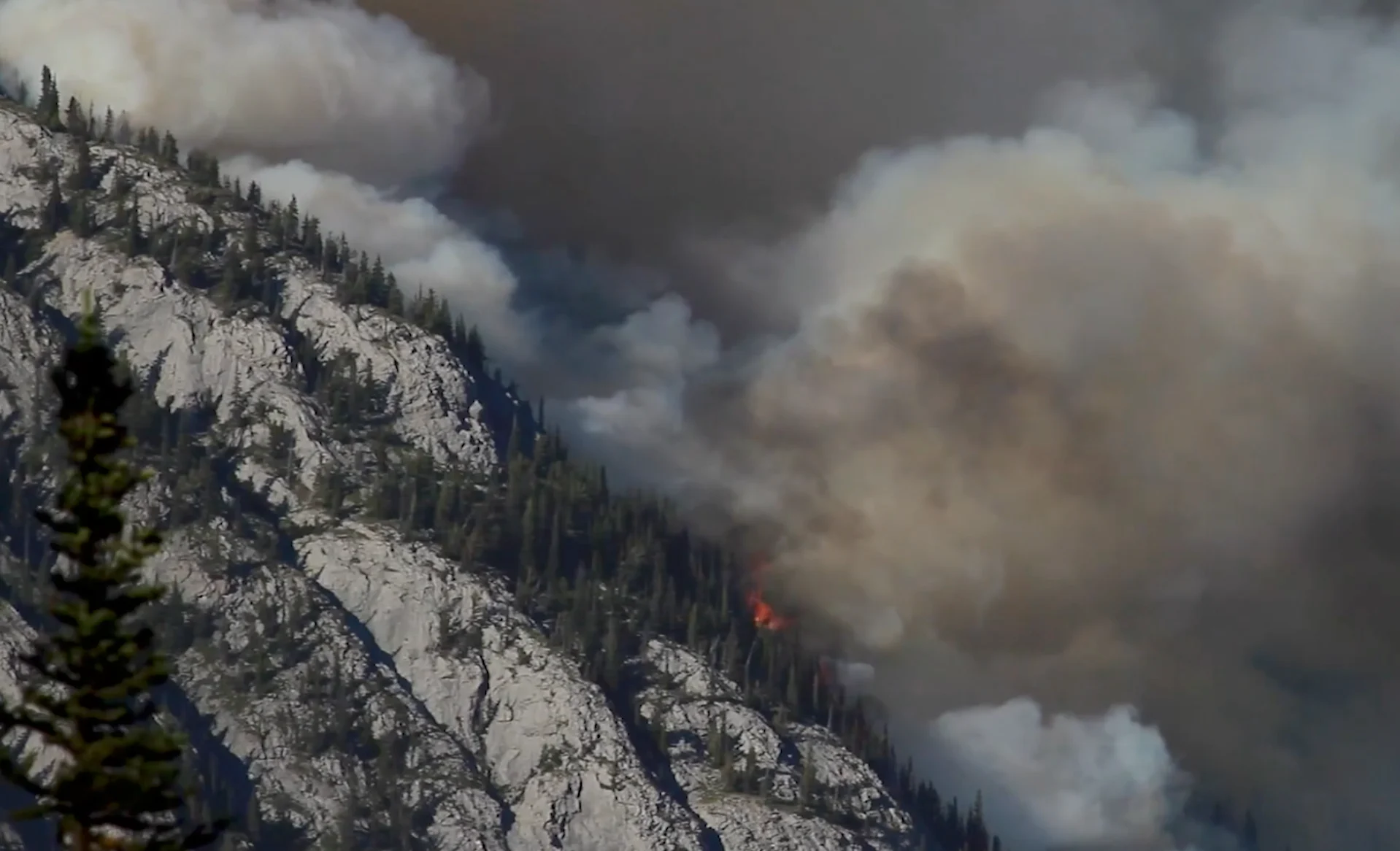
Imagine you are out in the backcountry, without cell service, and suddenly you start to smell smoke or see a plume rising too close for comfort—what should you do?
Recently, hikers were evacuated from Mount Unnecessary and the Erin Moore trails area near Lions Bay, B.C., a community just north of Vancouver, due to a nearby wildfire.
If you ever find yourself in a similar situation, here are some steps to keep in mind:
First off, try to call it in
Even if you don’t have cell service, you can hit the SOS button on your satellite messenger or GPS device. I always carry my Garmin inReach for emergencies, as it's one of the best ways to communicate in the backcountry.
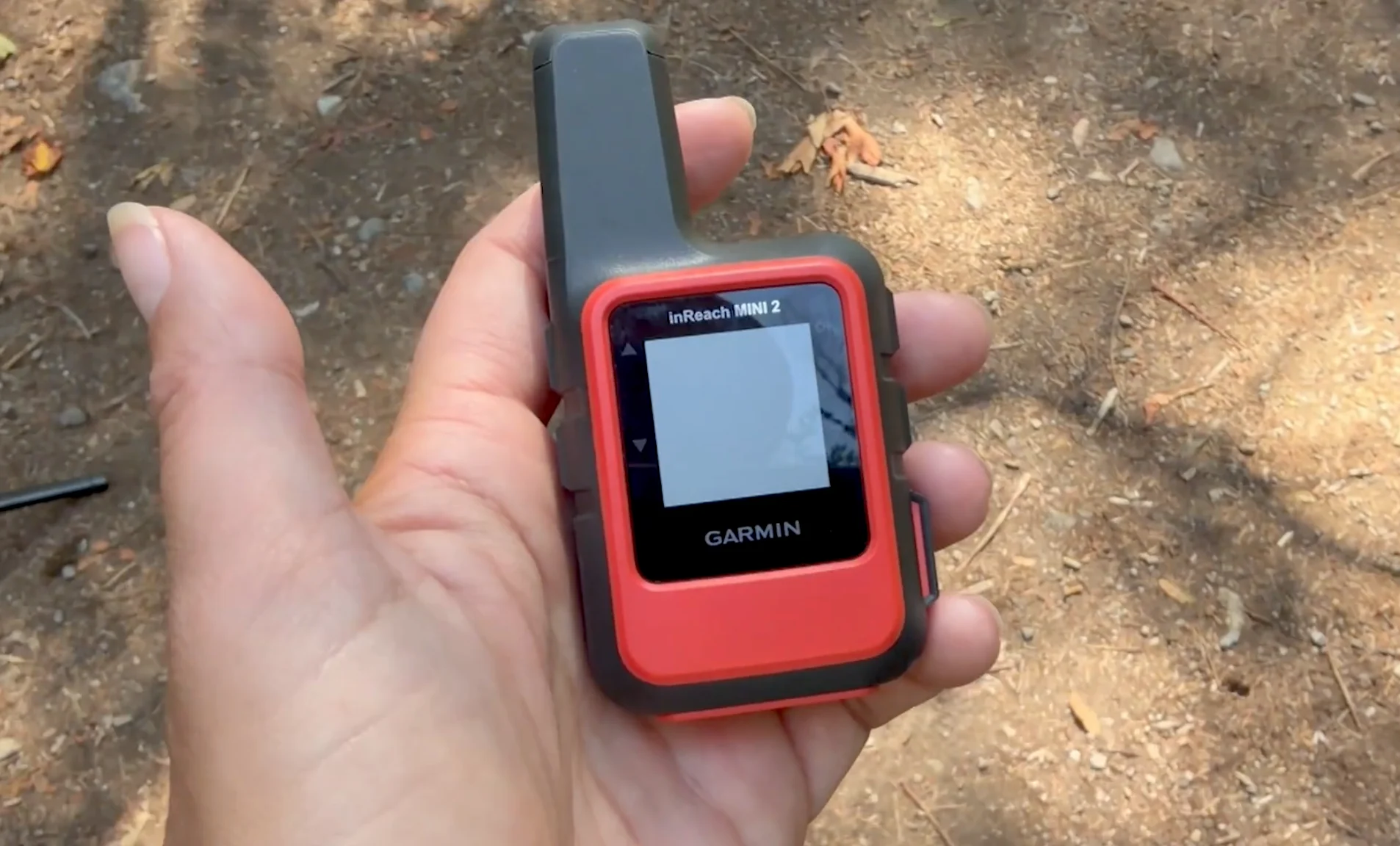
A device like the Garmin inReach is crucial when heading into the backcountry or an area where cell service may be questionable. (Mia Gordon/The Weather Network)
Know which direction to move in
Wildfires burn uphill faster because rising heat preheats the fuel above it, so never head up a slope or ridge. Additionally, canyons can act like a chimney, funnelling extreme heat. Always move downhill and upwind.
Try to find a natural safe zone
If you aren’t able to get back to the trailhead, look for terrain that won’t burn. Move toward a lake, wide boulder field, or gravel riverbeds, and avoid dense timber and dry brush.
Your safest wildfire response starts before you even step onto the trail. Always check conditions, monitor fire maps, and inform someone at home of your trip plan, because true backcountry safety is all about staying one step ahead.