
Close call: 1% battery left as BC team rescues stranded hiker

“This call [for help] serves as a good reminder for everyone recreating in the outdoors to ... set a realistic turn-around time, take layers and equipment appropriate for the prevailing conditions, and be mindful that both cold weather and poor cell signal can serve to rapidly drain your cell phone’s battery."
Members of the North Shore Rescue Team, (NSR) a Vancouver-based mountain search and rescue team, rescued a stranded hiker in a precarious situation on February 20.
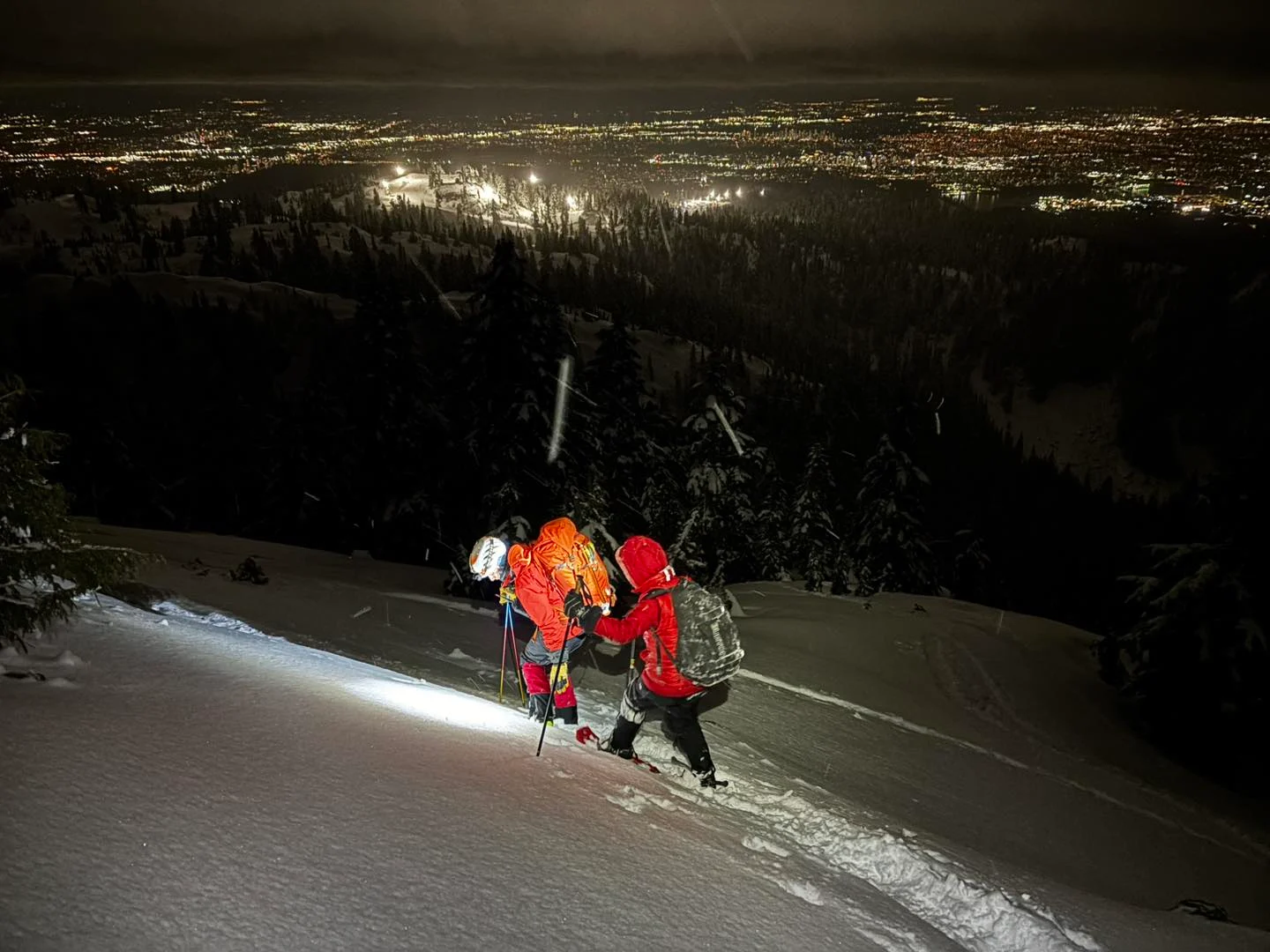
(NSR/Facebook)
The individual was retrieved between Pump Peak and Tim Jones Peak on Mount Seymour, a popular hiking destination.
“The lightly equipped hiker, who did not have a headlamp, became lost in the area after sunset and could not find the trail down,” the NSR says described as being “lightly equipped” and without a headlamp in an NSR Facebook post.
“Fortunately, she was able to make a 911 call; by the time NSR search managers spoke to her, she had 1 per cent battery life left [on her phone].”
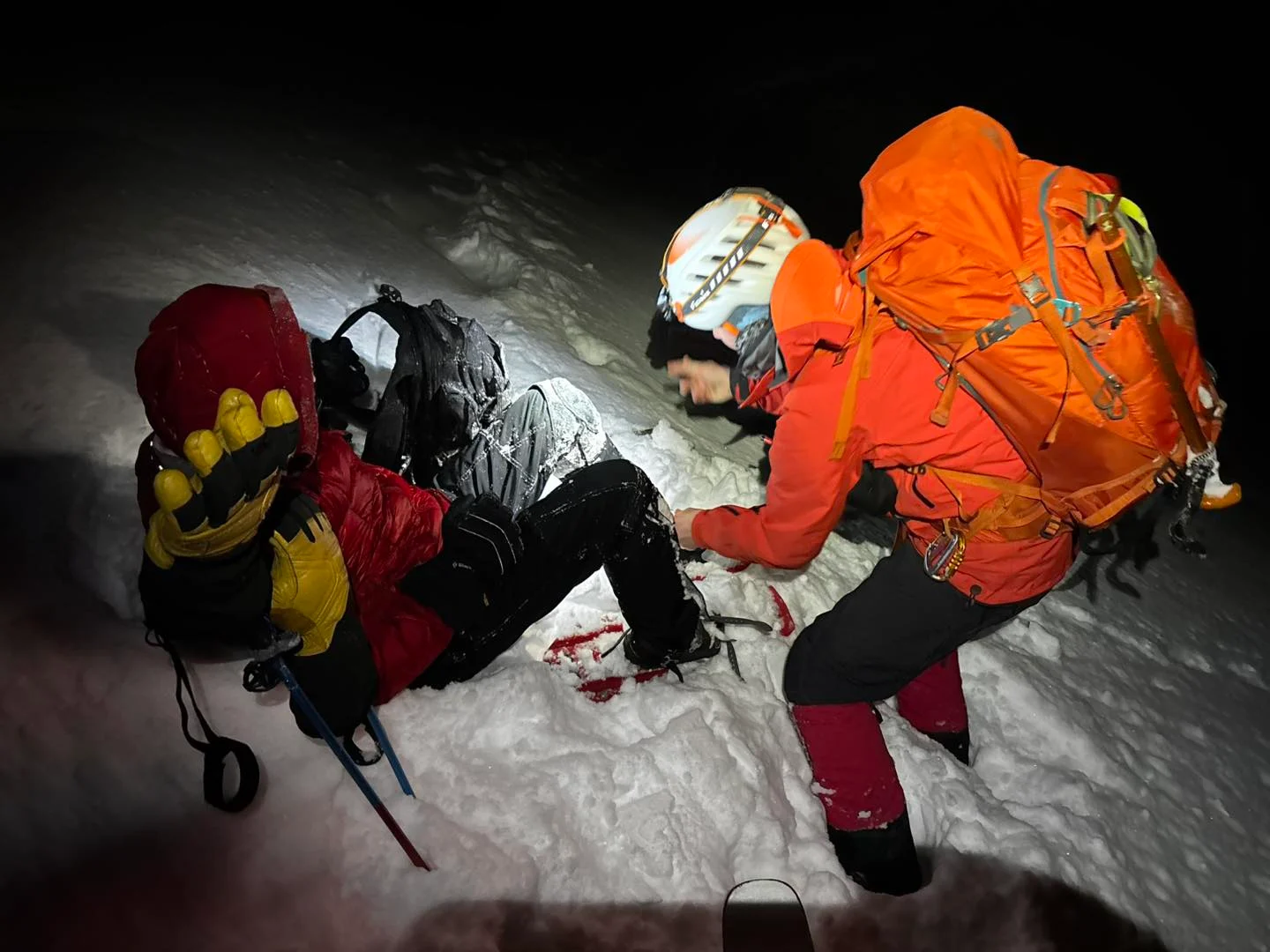
(NSR/Facebook)
The team provided her with warm clothing, a headlamp, snowshoes, and escorted her down the mountain.
“This call [for help] serves as a good reminder for everyone recreating in the outdoors to take the 10 Essentials, set a realistic turn-around time, take layers and equipment appropriate for the prevailing conditions, and be mindful that both cold weather and poor cell signal can serve to rapidly drain your cell phone’s battery,” the NSR says.
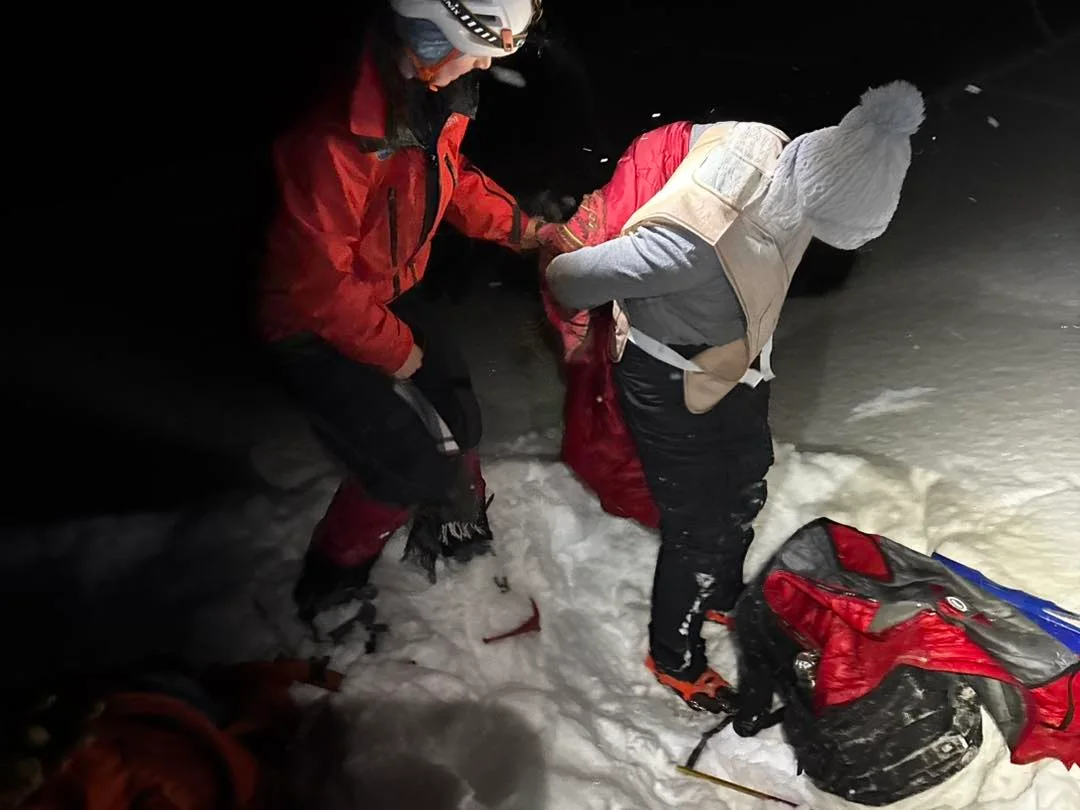
(NSR/Facebook)
What are the 10 essentials?
The NSR identifies the 10 hiking essentials as:
Light — whether it be from a headlamp or a flashlight, as well as backup batteries. Do NOT rely on your phone’s flashlight, as that could drain the battery faster, and you may need your phone to call for assistance.
A signalling device, like a whistle or a pen flare.
A fire starter, like a lighter and/or matches, in a waterproof bag. The NSR also recommends a commercial fire starter, which can be purchased at a specialty shop.
Warm clothing and extra layers.
A multi-tool or pocket knife.
Plastic or thermal wrap that can be used to create a makeshift shelter.
Water and food.
A first aid kit.
A good compass or a separate GPS device. Do not rely on your phone.
A fully-charged cell phone. You may want to consider bringing a portable charger as well.
Hiking in difficult terrain, like the backcountry, may require additional equipment due to the presence of heavy snow. Other considerations include: A shovel, a transceiver, and a probe.
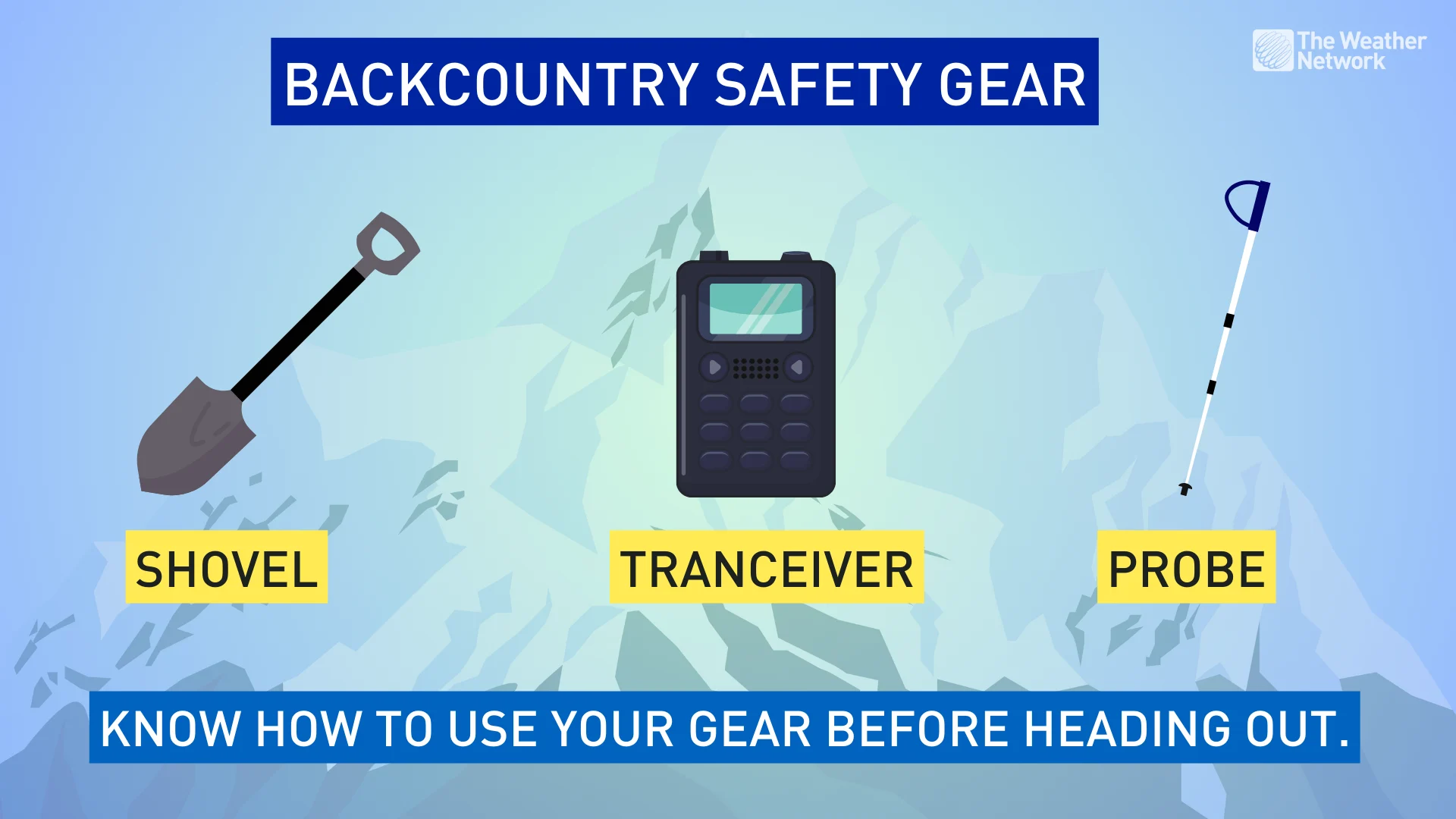
Experts also recommend telling someone where you are going and when you plan to return. That way, they can call for help if you miss your check-in time.
“[I was a search and rescue] member for 25 years on the Island,” reads one comment on the NSR’s Facebook post.
“Some people laugh about [the] 10 essentials ... But stuck out in the cold, in dark, [you] don’t know which way is north or south ...think of it as 10 extra pounds to carry around to help get you into shape that may save your life. [I’ve] seen it [be] a deal breaker between making it or not.”
Historically, the NSR says it responds to an average of 100 calls for help annually, but that number appears to be increasing. Between 2015 and 2017, the organization responded to an average of 130 calls per year.