'Once you see it, you can't unsee it': The 'road-trip ruiner' plant is back

Ontario's 'road trip ruiner' is back.
It's found along highways, ditches, and shorelines in southern Ontario, and it can grow to staggering heights, sometimes towering more than five metres above the ground.
It's invasive phragmites, dubbed "Ontario's worst invasive plant" by Agriculture and Agrifood Canada in 2005 -- and it's back for the 2026 season, with over 300 sightings across several provinces reported on iNaturalist as of today's date.
Conservationists say that once you see it, you can't unsee it -- but there are a few things you can do to stop its spread.
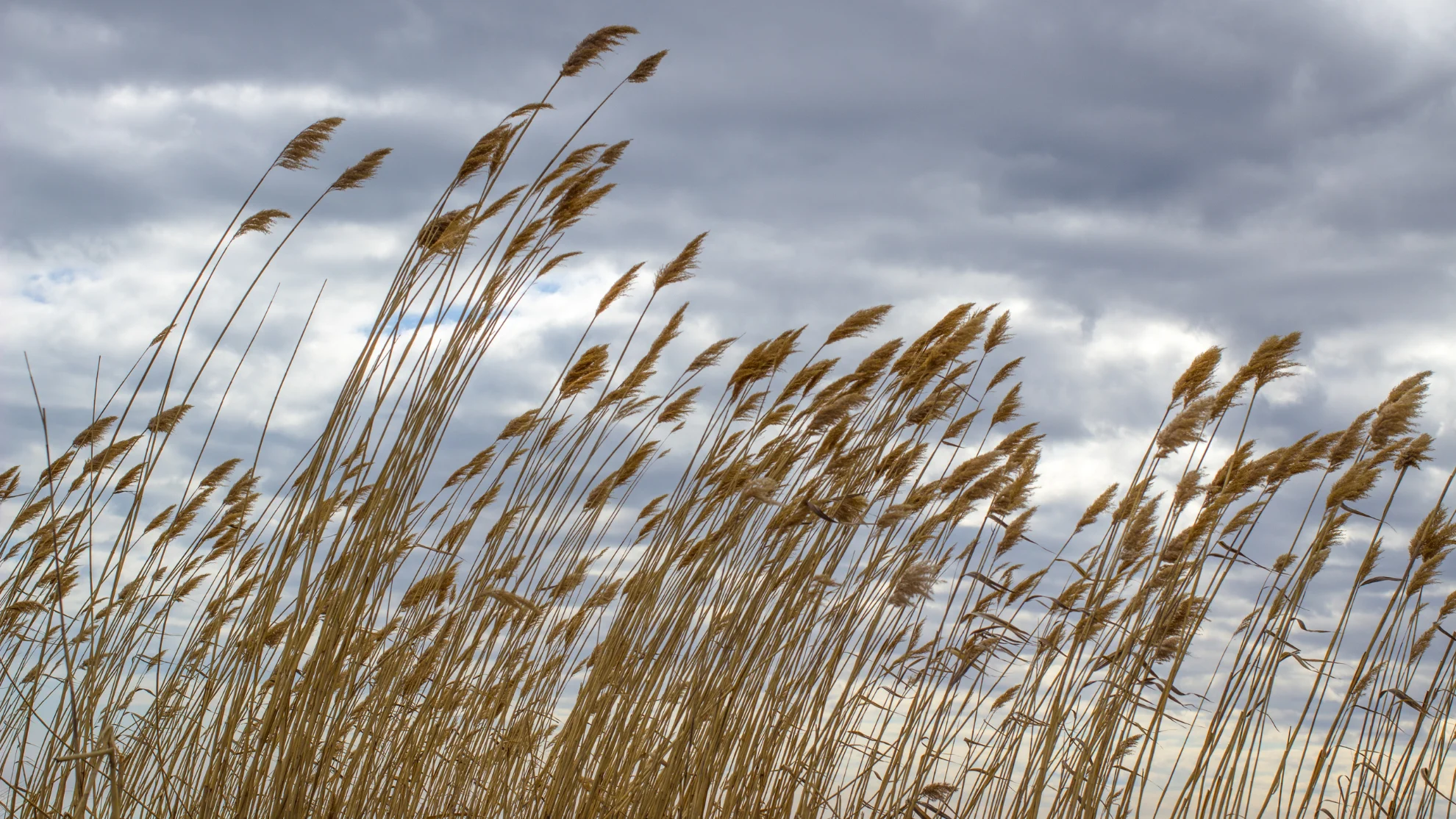
File photo of phragmites (via Canva Pro)
But first, a bit about this dangerous species.
Let's learn about phragmites
Phragmites (Phragmites australis australis) is described by the Invasive Species Centre as "an invasive grass with blue-green leaves and large, fluffy seedheads" that forms in tall, dense stands.
It prefers wet environments and places where water accumulates. Once settled it outcompetes native plants, hinders recreational activities, reduces visibility for motorists due to its towering height, and increases wildfire risk.
It's originally from Europe, and experts believe it came to Canada on European ships through ballast material or attached to packing materials.
In southern Ontario, seeds spread by hitching a ride on boats, bicycles, hiking boots, and ATVs, among other things.
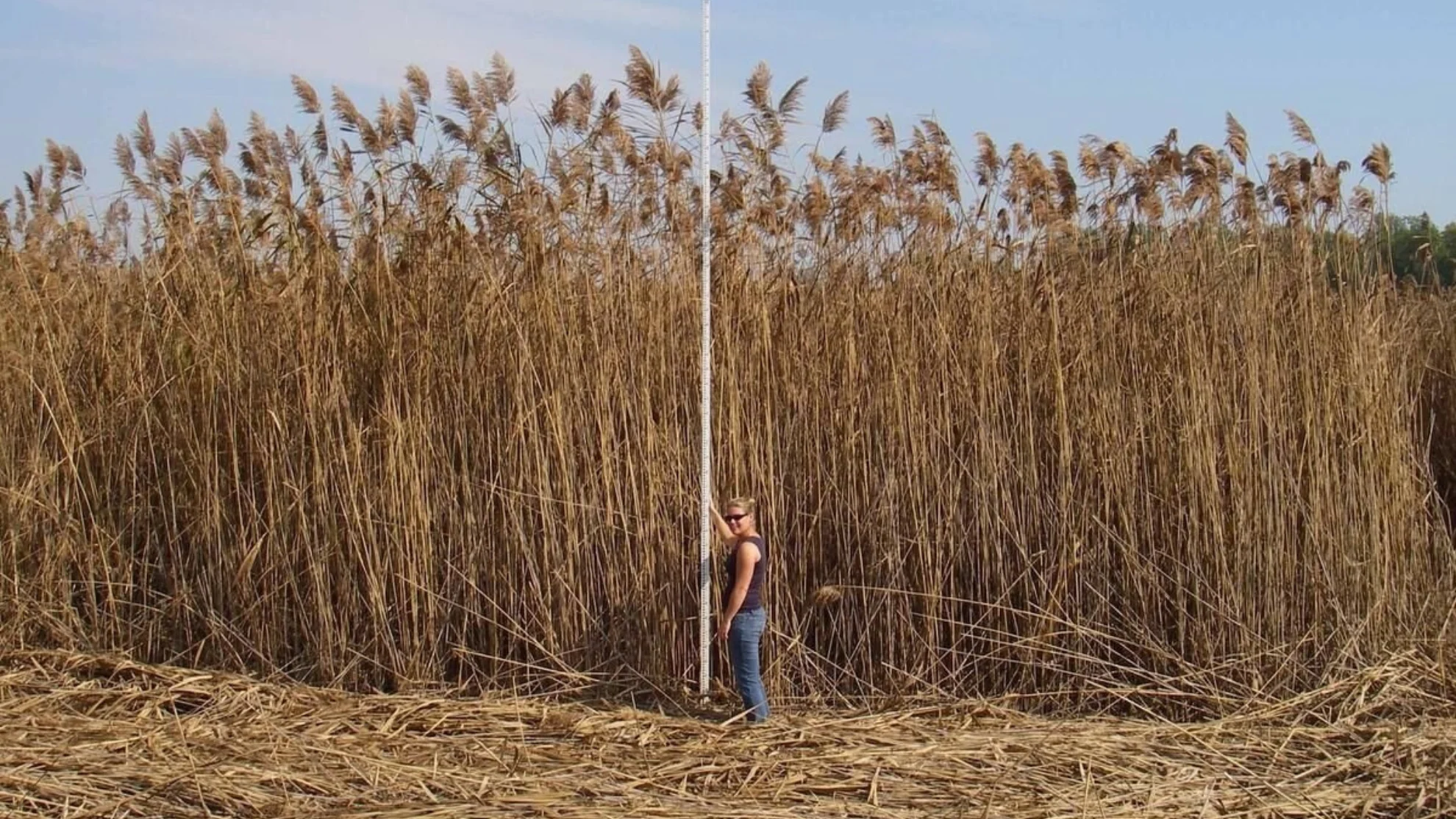
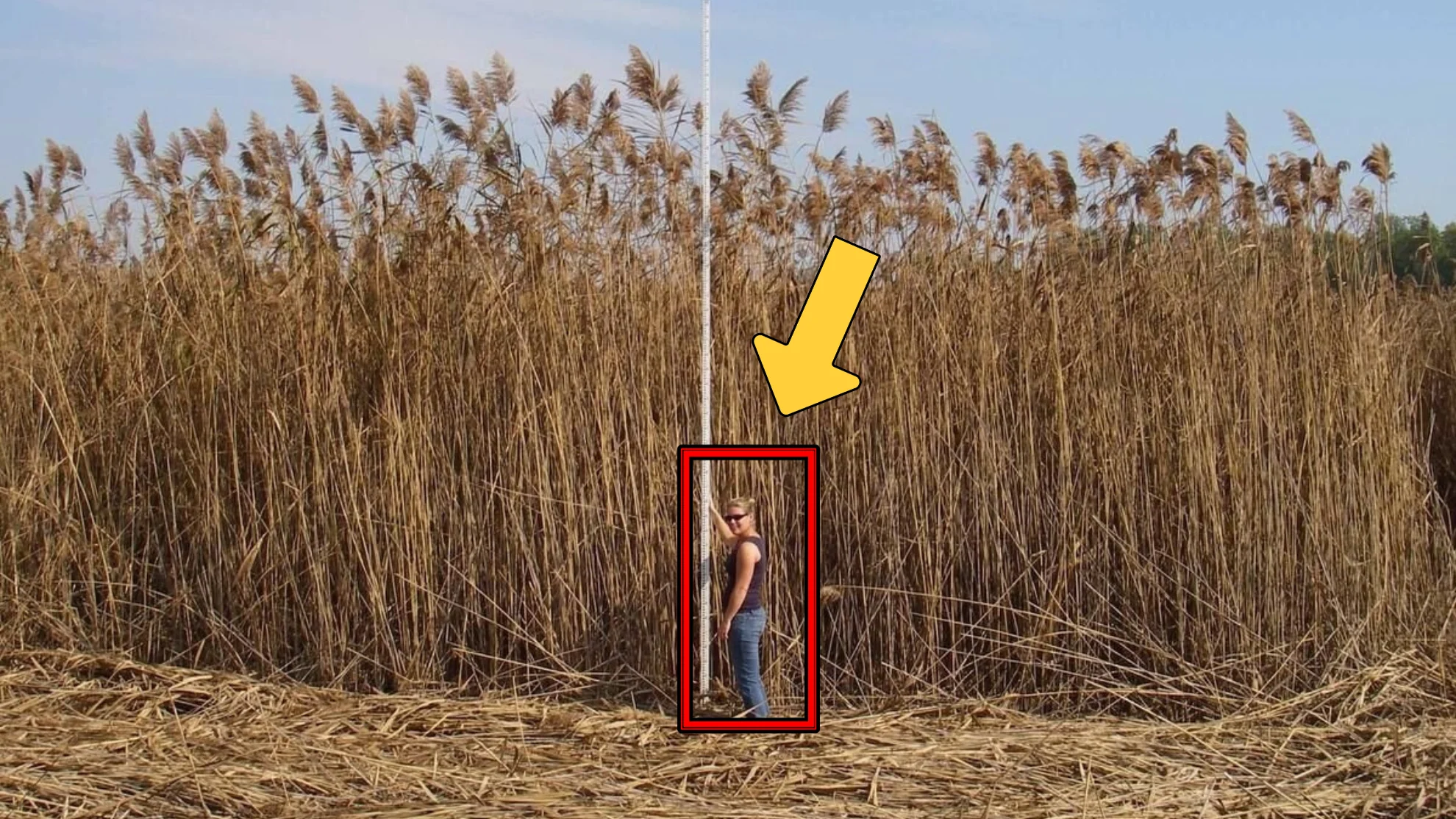
File photo highlighting how tall phragmites can get.(JM Gilbert/Ministry of Natural Resources)
Sarnia offers landowners funding to fight phragmites
In March, officials in Sarnia, Ont. announced funding to support landowners attempting to remove phragmites from their property.
The St. Clair Region Conservation Authority (SCRCA) has identified invasive phragmites as one of the most widespread invasive species in the St. Clair region.
"The conservation authority has funding to help with the costs associated with the control of phragmites. So landowners just reach out to myself if they're interested, and we can discuss their property and where the phragmites might be and the amount," Manager of Conservation Services Jeff Sharp told Sarnia News Today.
"We are trying to prioritize smaller patches before they become too large and difficult to manage."
The program is scheduled to continue throughout 2026 and will help cover the cost of control, removal, and associated equipment.
The 'road trip ruiner'
The Ontario Phragmites Action (OPA) program has dubbed the plant the 'road trip ruiner' and urges the public to take action to stop the spread of phragmites this summer.
The joint initiative by the Invasive Species Centre, the Nature Conservancy of Canada, and other provincial partners says people can help by:
Learning how to identify invasive phragmites.
Cleaning recreational equipment (hiking boots, bikes, ATVs/UTVs, and boats) before moving to another location.
Reporting phragmites sightings through EDDMapS or iNaturalist.
If you have phragmites on your property, do not mow it: this can help spread seeds. Ontario Invasive Species Council has put together a PDF guide on how to manage phragmites (disposal recommendations start at page 62 of the linked document).
Oh, and by the way: goats love phragmites. If you're looking for an environmentally-friendly way to rid yourself of the plants, consider hiring a herd to mow down the problem. Your lawn will be phragmite free, the goats will be fed, and you'll get to hang out with friendly farm animals for a bit.
Everybody wins.