Loss of B.C. wetlands can amplify effects of extreme weather events

Wetlands play a significant role in protecting B.C.'s environment from extreme weather events, such as floods and droughts, but climate change is putting them at risk.
B.C.'s recent heat, and inconsistent snowfall levels in the winter, have set up favourable conditions for floods, wildfires and drought.
As a result, natural landscapes such as wetlands are in peril as a result of extreme weather events such as flooding or drought conditions, events that B.C. has seen in spades in recent times.
"Climate change means we've got less predictable, [and] a more volatile water cycle," said Bruce Harrison, lead biologist and head of B.C. conservation solutions at Ducks Unlimited Canada (DUC), in a recent interview with The Weather Network.
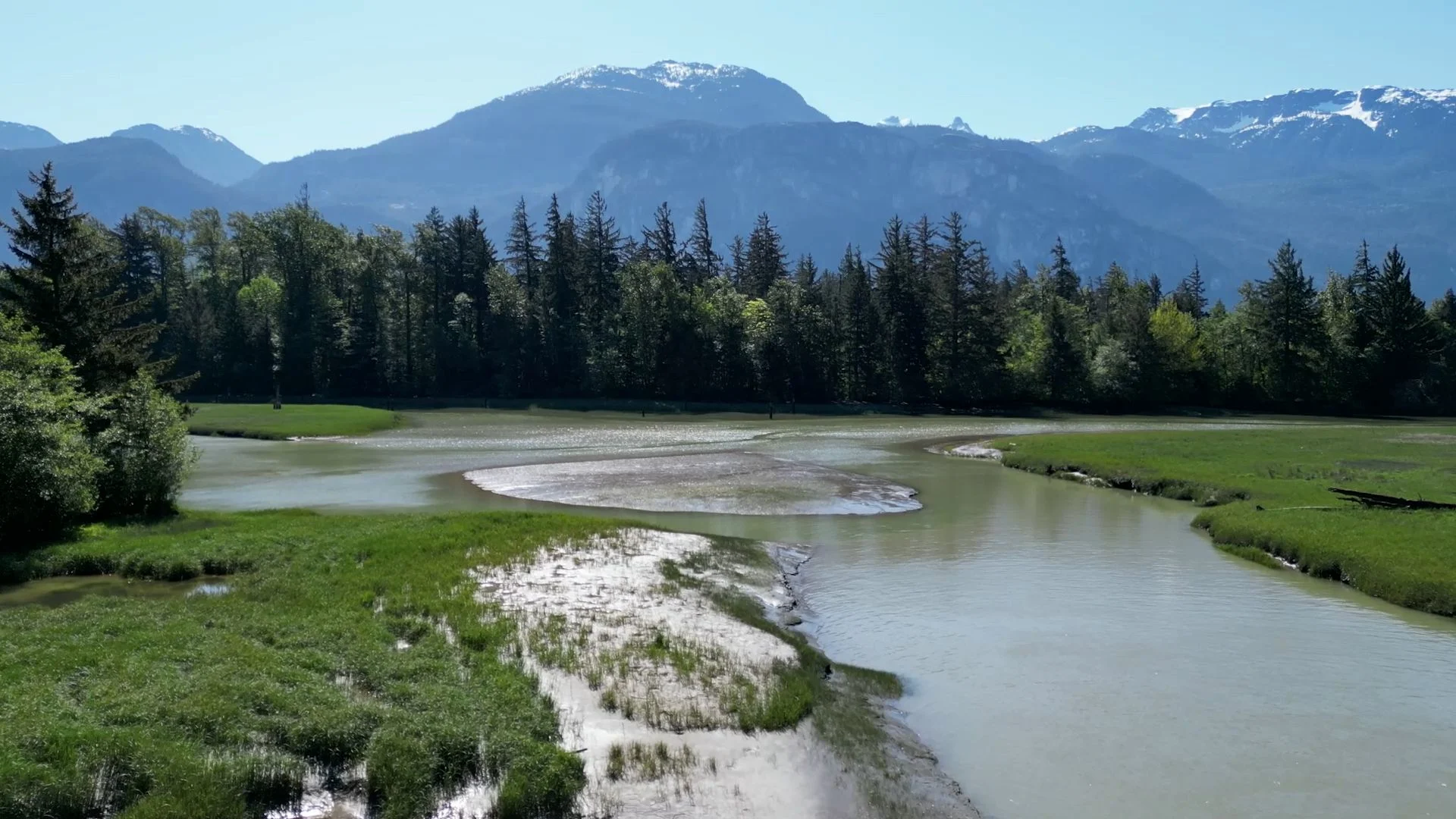
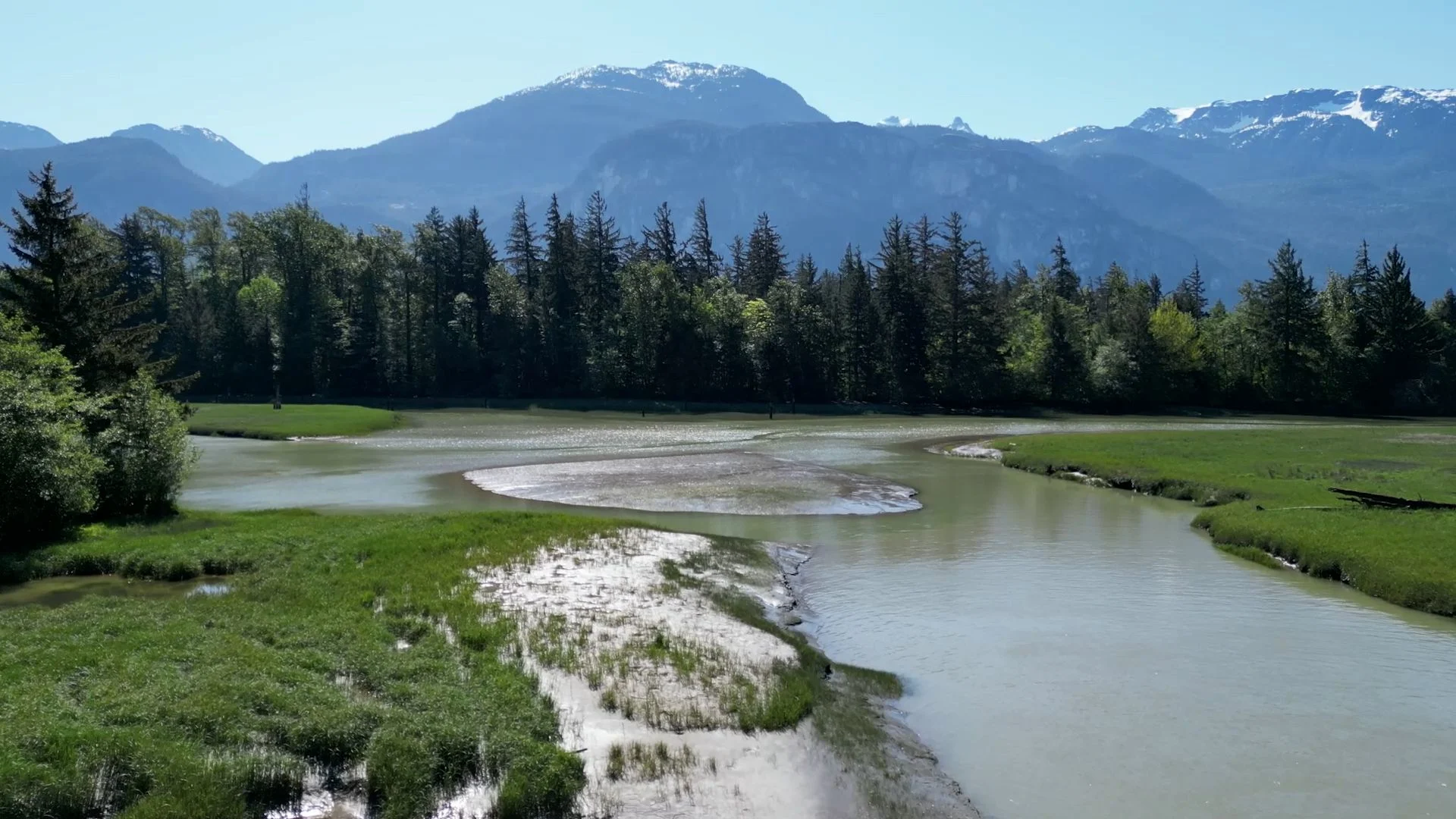
Wetland in B.C. (Mia Gordon/The Weather Network)
According to DUC, Canada has lost up to 70 per cent of its wetlands in developed areas as a result of the pressure to support and sustain a growing population. Of the remaining wetlands on the planet, Canada houses about 25 per cent of them.
However, in locales such as the Lower Fraser Valley, that number is closer to 95 per cent.
Agriculture, urban expansion and other land uses, particularly in southern, populated regions, have put stress on the remaining wetlands.
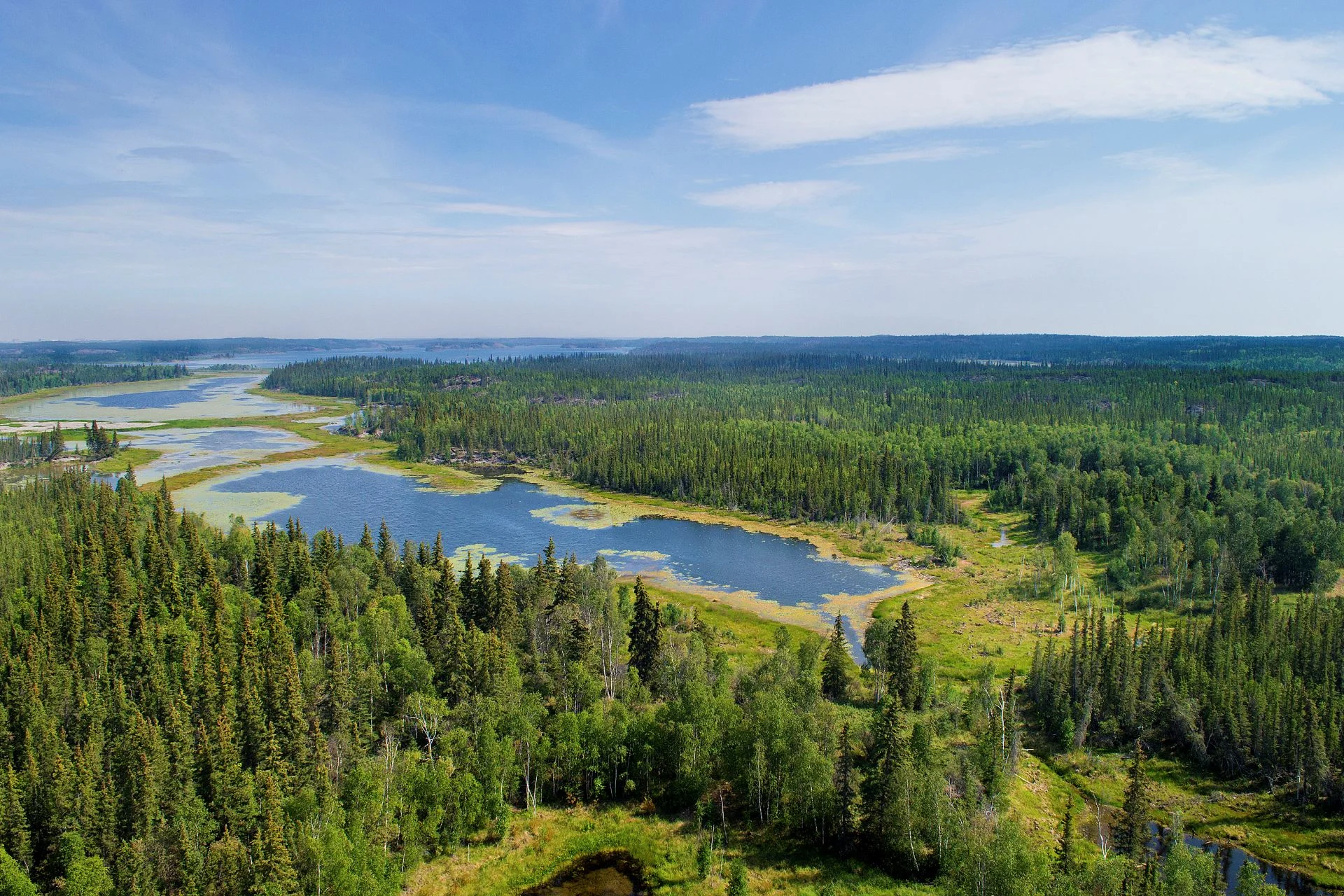
Wetland. (Ducks Unlimited Canada/Submitted to The Weather Network)
"There are habitat losses with that. There are drinking water losses. There are recreation opportunities that are lost," said Harrison.
In a statement emailed to The Weather Network earlier this year, Pat Kehoe, acting CEO of DUC, said wetlands are vital in mitigating the impacts of climate change on communities by reducing flood severity, storing water during droughts and lessening erosion.
"Some wetlands take thousands of years to form," said Harrison.
As part of the restorative efforts, a part of the Squamish Spit was removed to help reintroduce wetlands in the area. In other parts of B.C., landowners are working to plug drains, allowing low-lying areas to become marshes once more.
What can also help is a rain garden in the backyard, acting as a tool to recharge groundwater.
And, let's not forget the help nature can provide in restoring wetlands. Beavers building dams can be a source of wetlands reproduction..
With files from Mia Gordon, a video journalist at The Weather Network.