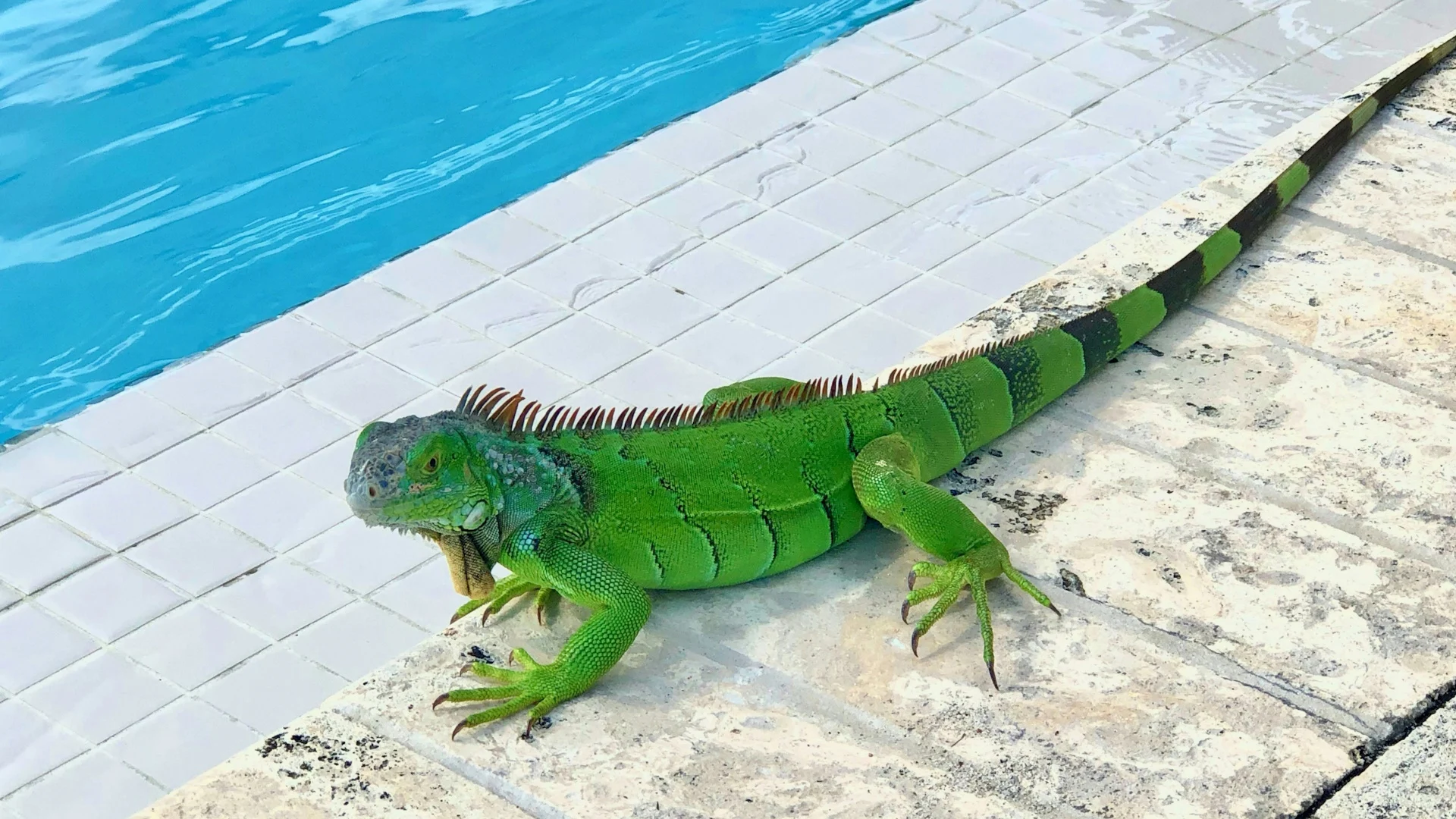
Why Florida’s iguanas fall from the sky when frigid air arrives

Watch your head when it gets cold in the Sunshine State
Watch out for falling reptiles when temperatures take a tumble in Florida.
It’s a strange hazard that almost sounds like a prank on unsuspecting tourists looking to enjoy the region’s near-constant heat.
But falling iguanas are a real phenomenon in certain parts of the state on those unusually chilly mornings. Here’s a look at why the cold can have such a dramatic effect on the Sunshine State’s iguana population.
DON'T MISS: Is winter miserable for wildlife?
Florida is a haven for those looking for winter warmth
Florida is a leading destination for folks looking to get away from winter’s cold temperatures. Miami’s average January low temperature comes in at a balmy 16.1°C (61°F).
The southeastern corner of the state is often one of the only places in North America untouched by a blast of Arctic air. But it’s certainly not immune.
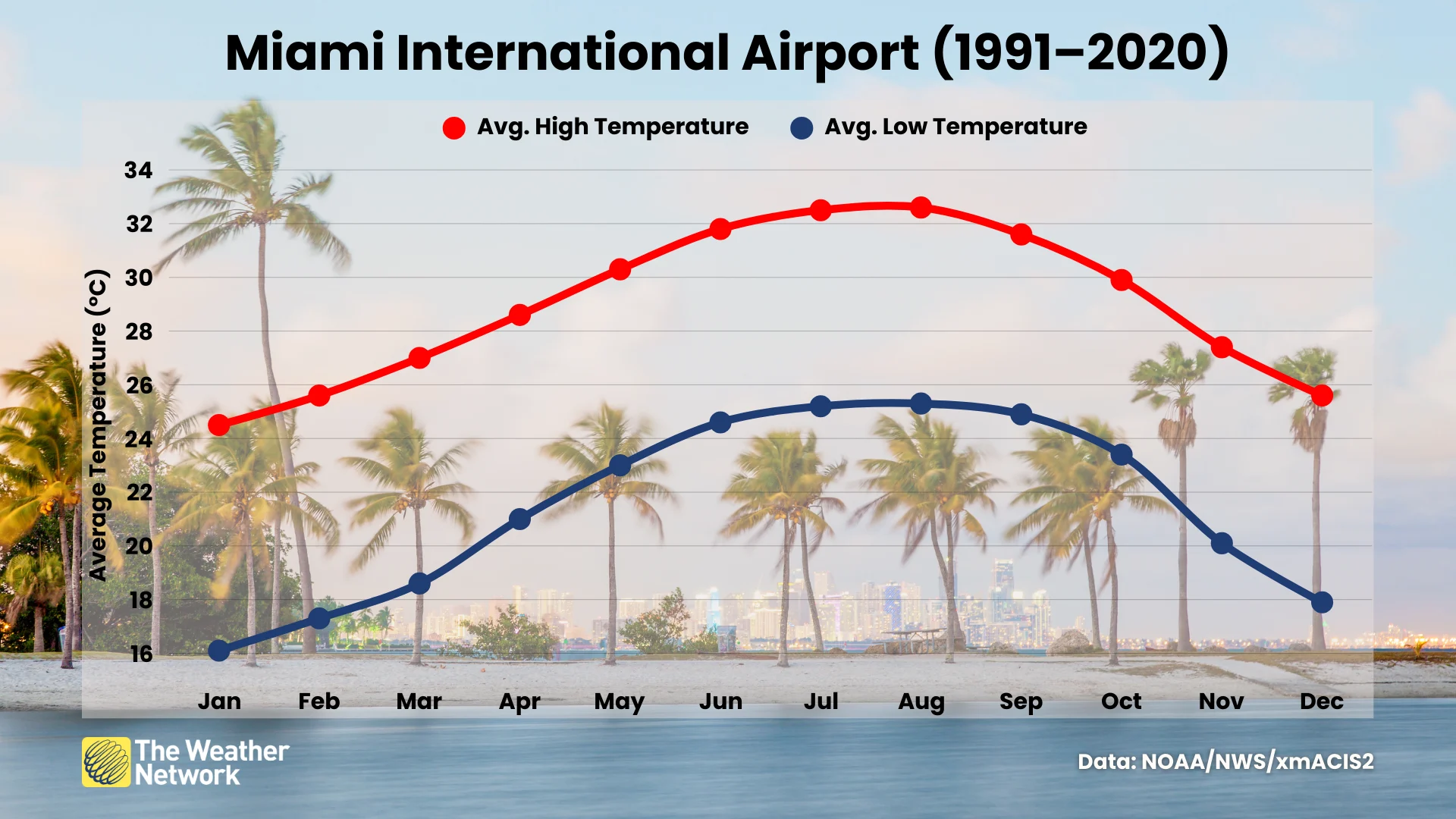
Cold temperatures can occasionally make it all the way to the subtropics. As of December 2025, Miami’s airport has seen ten mornings at or below the freezing mark since records began there in 1937.
The coldest reading ever observed up the road in West Palm Beach was -2.7°C (27°F) back on Jan. 20, 1977. This was the same cold snap responsible for the city’s only reported instance of snow flurries.
Iguanas migrated to Florida in the 1960s
Florida’s diverse ecological landscape hosts countless species that are unique to the region, including some that moved in relatively recently.
Green iguanas were first spotted in southeastern Florida in the 1960s, according to the Florida Fish and Wildlife Conservation Commission, where they went on to thrive in the region’s perennial warmth and sunshine.
RELATED: Florida lizards may be evolving to withstand the cold
Toasty temperatures are about more than comfort for an iguana. These ‘cold-blooded’ reptiles rely on their surroundings to stay warm because they don’t generate their own body heat.
Things get tricky for Florida’s iguanas during the odd temperature plunge. Iguanas can’t stay warm when readings fall into the single digits, sending these critters into survival mode of sorts.
An iguana’s metabolism slows significantly during bouts of cold weather to conserve the energy needed to survive the temporary chill, essentially stunning the iguana in place wherever they happen to be.
Many of Florida’s iguanas sleep in trees to avoid predators. Frost-stunned iguanas often plunge to the ground after losing grip on branches and limbs above. That’s no small hazard to passersby when a male iguana can weigh more than 7 kilograms.
Despite succumbing to gravity and appearing less than healthy, a ‘frozen’ iguana will gradually come back to life and resume its scheduled reptile activities once the chill wears off with the heat of the day.
Header image courtesy of Cindy Williams Moore via Unsplash.