As ticks wake up in Alberta, here’s where you (and your dog) will find them


Here's a look at the type of ticks you’re most likely to encounter in Alberta and how to keep your pets safe and protected.
With spring underway in Alberta (minus a few winter throwbacks), many dogs and dog owners are eyeing up their favourite trails.
While warm weather signals the time to stock up on doggy waste bags, it’s also sending a signal to tick populations that it’s time to start “questing”. That is, to start crawling up newly exposed vegetation in search of a host to feed on.
Lacking internal heating systems, ticks rely on Mother Nature to warm up to the point where they can get those 8 legs moving. Research suggests this happens at around four degrees for most tick species. They can be active year-round in Alberta (ticks love chinooks too), but are most active on warm spring days and in summer.
Ticks do pose threats to canines, but a bit of knowledge and preparation can make a walk in the park, well, a “walk in the park”.
RELATED: Five unforgiving facts about ticks
Common tick types in Alberta
Let’s talk about the ticks you’re most likely to encounter and identify them.
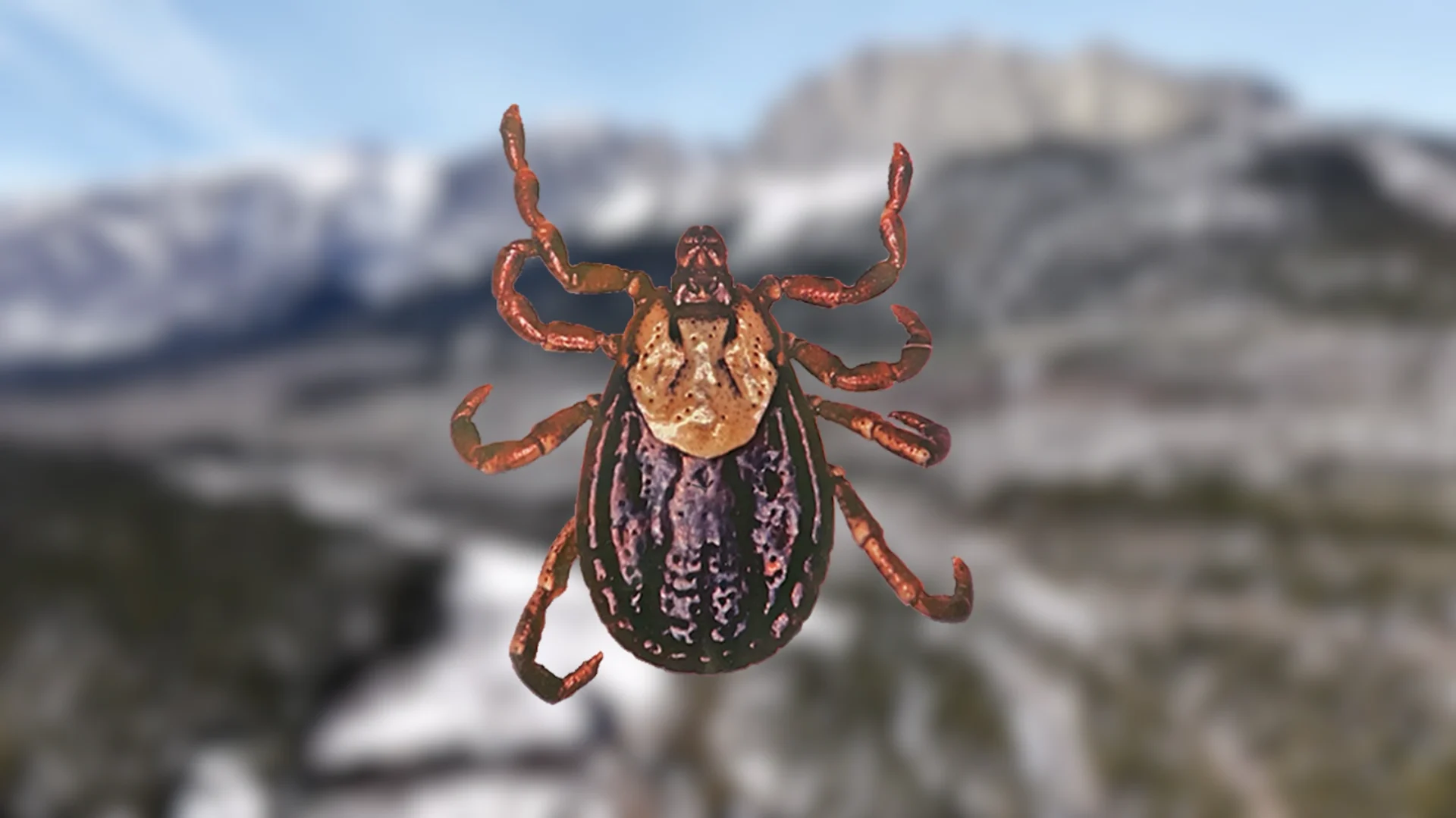
The rocky mountain wood tick is the species most commonly found in Alberta. It’s also found in BC and Saskatchewan, but research suggests they’re mostly found in southern Alberta and BC.
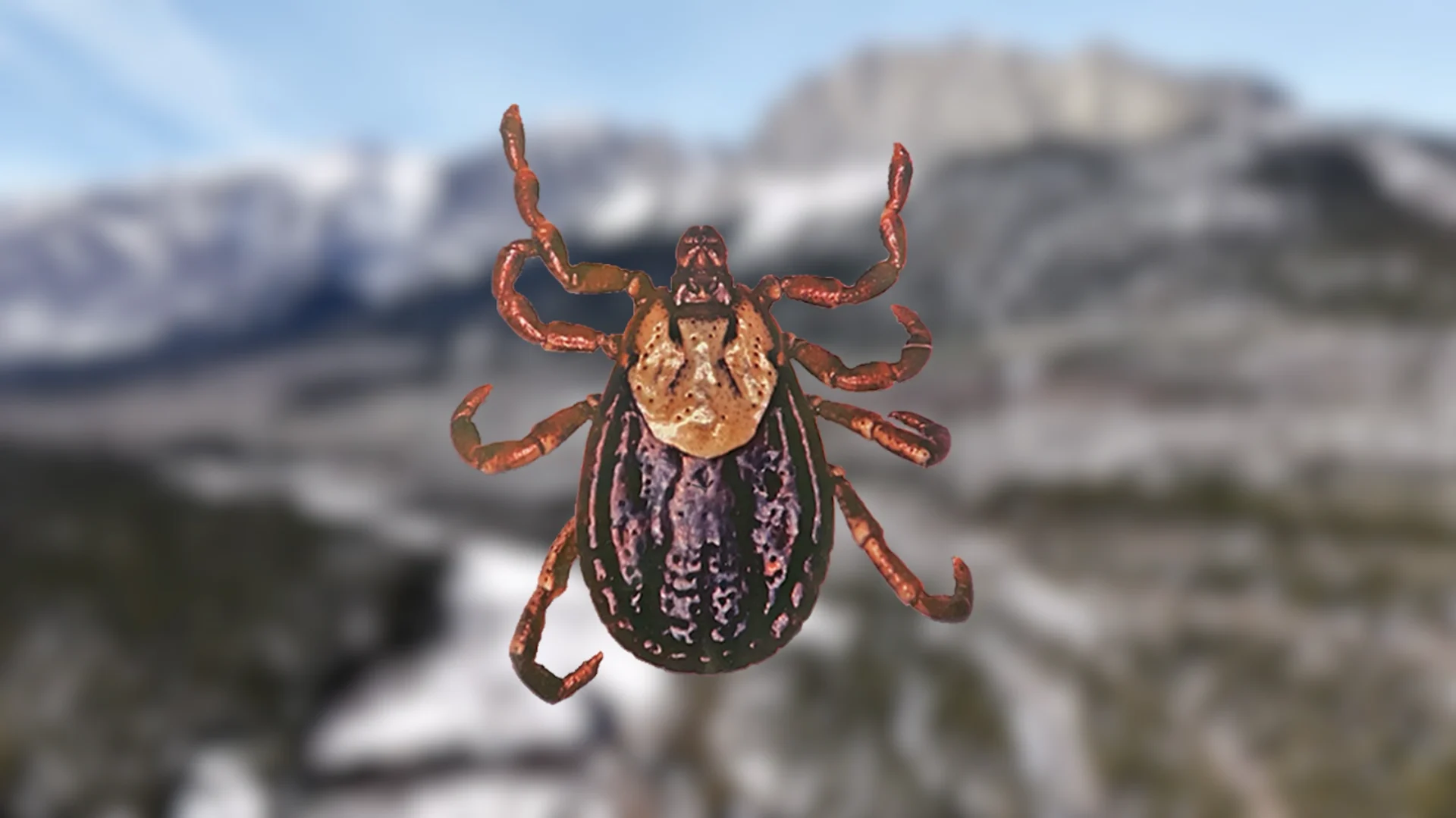
Rocky Mountain wood ticks are identified by reddish-brown, pear shaped, 8-legged bodies.(Canva/The Weather Network)
The good news (trust us here), is that these particular arachnids are on the larger side compared to other ticks. At 3-6 mm long when unfed, they can be more easily spotted in dog fur than other species.
This is good because rocky mountain wood ticks have been known to transmit diseases and toxins hazardous to dogs. In particular, females can transmit a salivary neurotoxin that can lead to paralysis and even death in dogs.
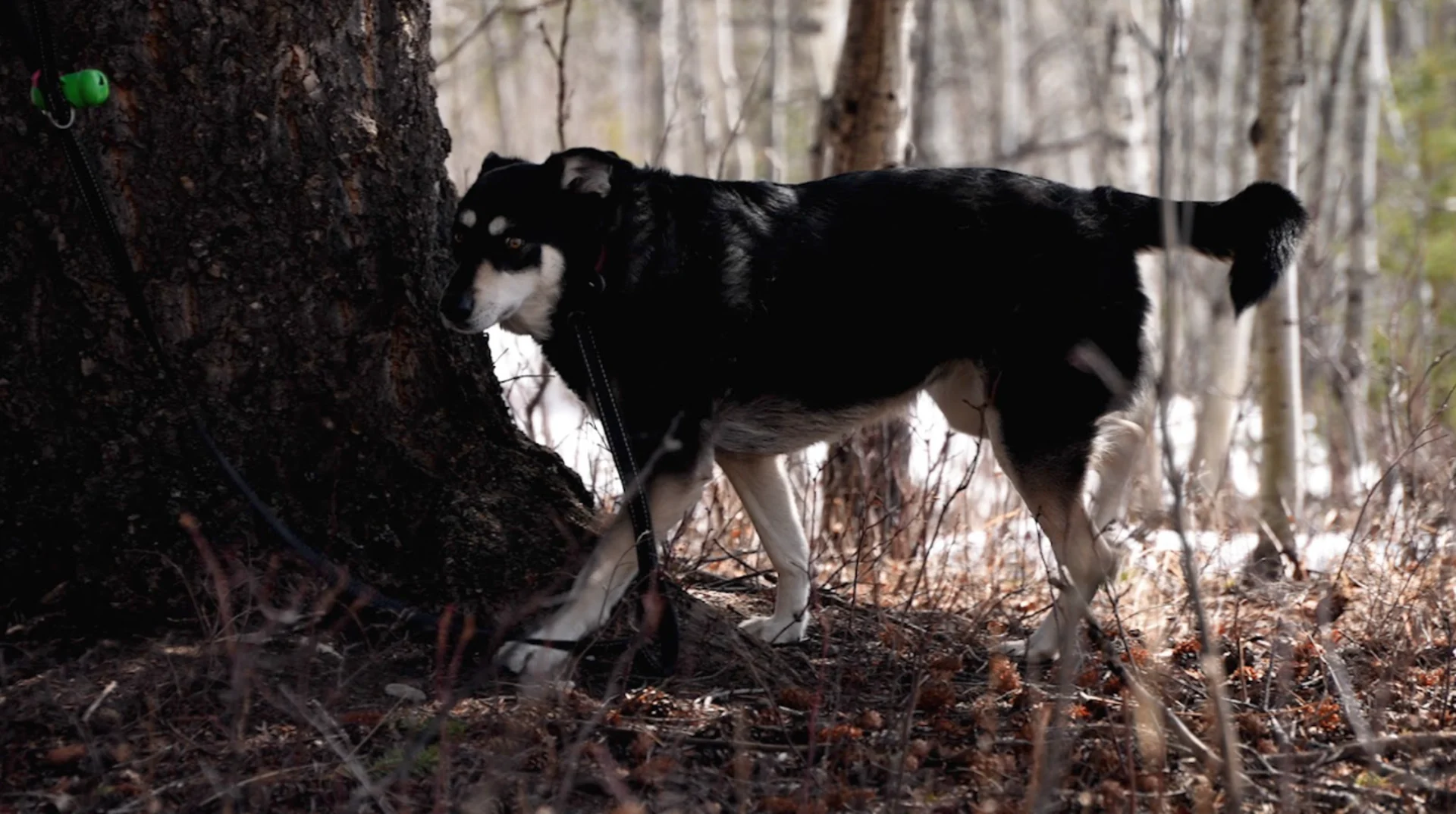
While four degrees may be warm enough for ticks to move, they latch onto hosts from the tips of branches and grasses, meaning they also need snow melt to start questing. (The Weather Network)
There are three methods to tick control.
The first step is to proactively apply topical flea and tick protection monthly when the temperature is above 4°C. Consider using topical treatments such as K9 Advantix II®, which adhere to your dog's skin, killing ticks on contact, preventing them from biting. Your dog will appreciate it! Since tick bites can transmit diseases like Lyme disease, it's essential to keep them at bay. Remember, ticks are small—roughly the size of a poppy seed—making them hard to detect on your pet.
The second, is to perform thorough tick checks after hiking and to properly remove them immediately.
The third, though, might put you in the dog house. That’s to avoid tick territory altogether.
Where you're most likely to encounter ticks in Alberta
Lastly, a closer look at where you might encounter ticks in Alberta:
If you’re Calgary-based, note that ticks are commonly found in trails around Mount Yamnuska, the Sibbald Flats, and the Sheep River Valley. Sunny, south-facing sections are the first to see significant tick activity in the spring.
They’re also found in other mountain parks and in urban green spaces in Calgary, Edmonton, and elsewhere. Check out this map for a detailed look at where ticks have been reported.
® K9 Advantix is a trademark of Elanco or its affiliates.