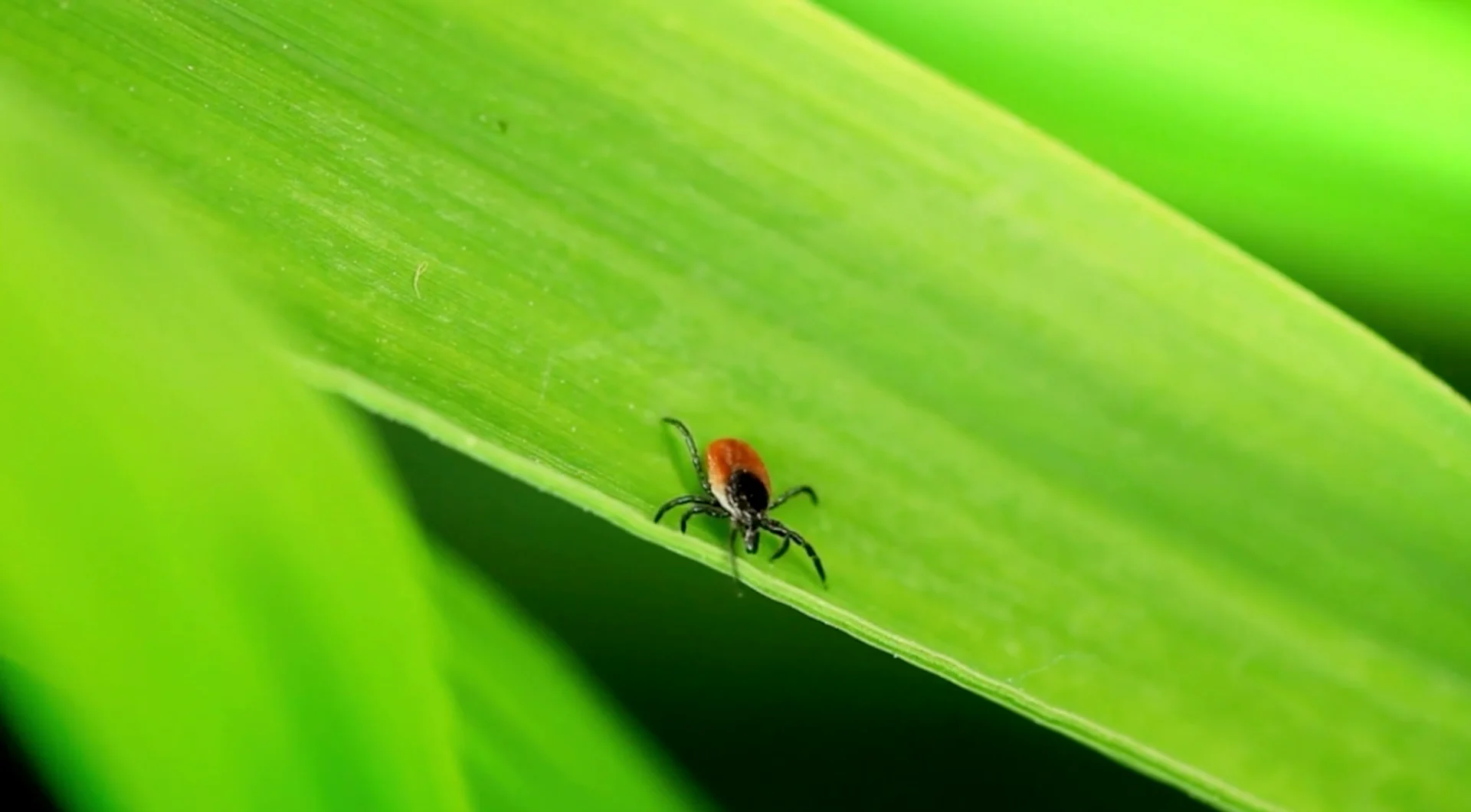
The Unseen Danger on Canadian Trails: A guide to ticks


Nova Scotia has some of the most beautiful walking trails in Canada, but it also has some of the most ticks. Here's how to keep your dog safe and protected in the outdoors.
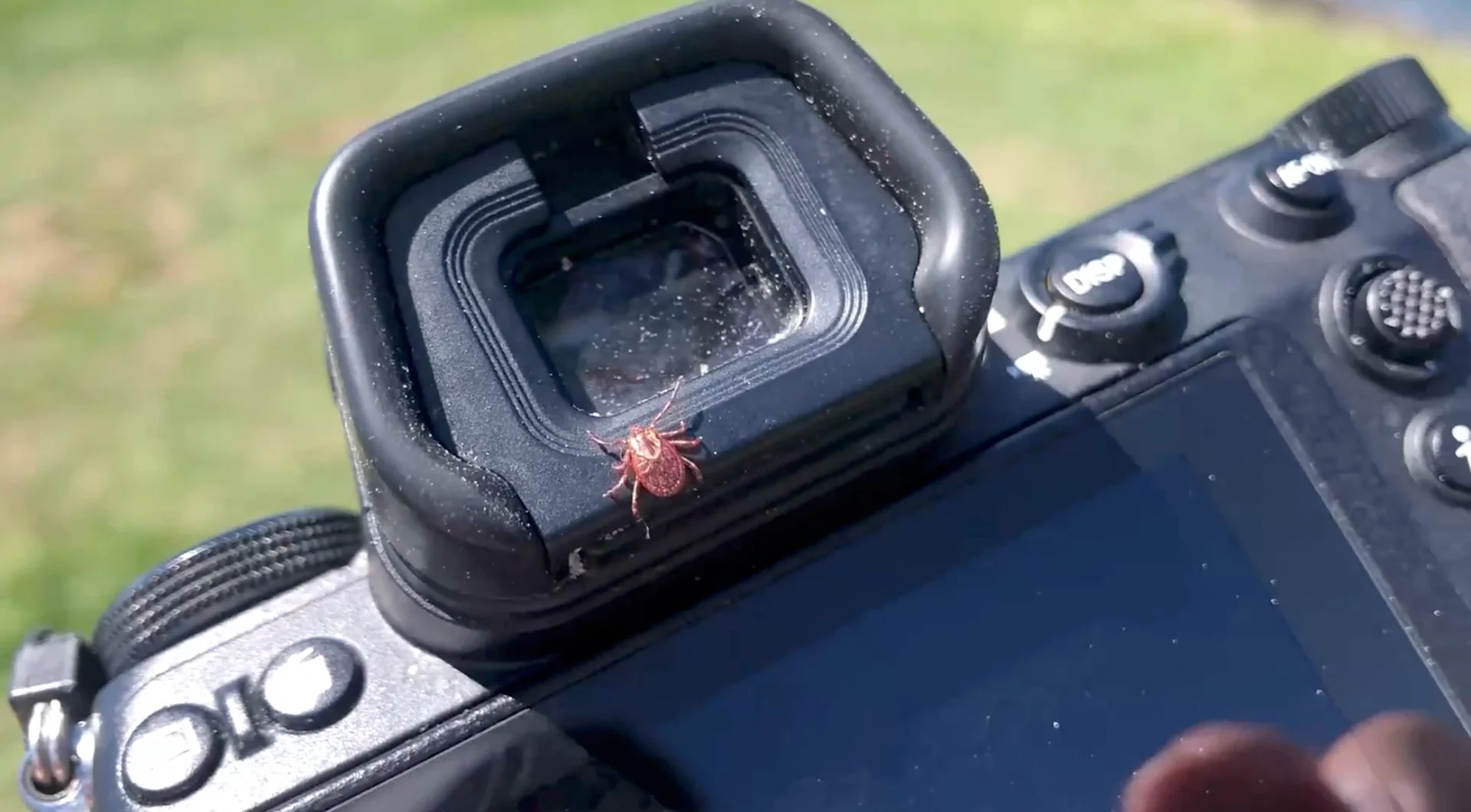
I recently walked the 13.2-kilometre hiking trail at Cape Split Provincial Park in Scots Bay. After setting my camera down to eat lunch on the grass while looking out over the dramatic cliffs, I found a tick crawling over my viewfinder. Eek!
RELATED: Five unforgiving facts about ticks
Nova Scotia has some of the most beautiful walking trails in Canada, but it also has some of the most ticks. Here's how to keep your dog safe and protected in the outdoors.
The Department of Health and Wellness says tick populations are growing in every part of Nova Scotia, urban AND rural. Ticks become active when temperatures rise above 4 degrees Celsius, and the city of Halifax's normal daily high for April is 4.5°C.
Thankfully, I was able to recognize it and shake it off my camera, but dogs don’t have that luxury. If you’re bringing along your four-legged friend on a hike, ticks pose a serious threat to their health.
While you can tuck your pants into your socks, dogs are more vulnerable at ground level, especially if walking through tall grass.
How would you even know if your dog has been bitten? Don't take chances. Ensure your dog is on a monthly preventative. Apply topical treatments like K9 Advantix II which stay on your dog's skin and work to kill ticks on contact while preventing them from biting your dog. Your dog will thank you! Tick bites can spread diseases like Lyme, so avoiding them is critical. Be aware that ticks are tiny—about the size of a poppy seed—making them difficult to spot on your pet.
The Centers for Disease Control and Prevention (CDC) says you should watch your pet closely for changes in behaviour or appetite if you even suspect it has been bitten by a tick.
If you’ve taken them out on a trail anywhere in Nova Scotia, a tick check is essential. In fact, you should do daily checks after your dog goes outdoors.

Just one tick alone can lay about 2000 to 3000 eggs, so chances are, if you’re an outdoorsy person, your dog will encounter one, so it’s best to stay protected in any way you can. The deer tick, or black-legged tick, is the one you want to really avoid in Nova Scotia, as it transmits Lyme disease. If you find a tick, you can also upload a picture of it to etick.ca for identification.
The Canadian government recommends using clean, fine-point tweezers to remove a tick if you find one. You should slowly pull it straight out before washing the bite area with soap and water or an alcohol-based sanitizer. If you’re not feeling well, contact your health care provider.
After encountering that tick up close and personal, I definitely felt a wave of squeamishness wash over me on the hike home! But with the tick population on the rise, it’s something you simply have to prepare for if you want to enjoy the breathtaking beauty of the great outdoors in Nova Scotia.