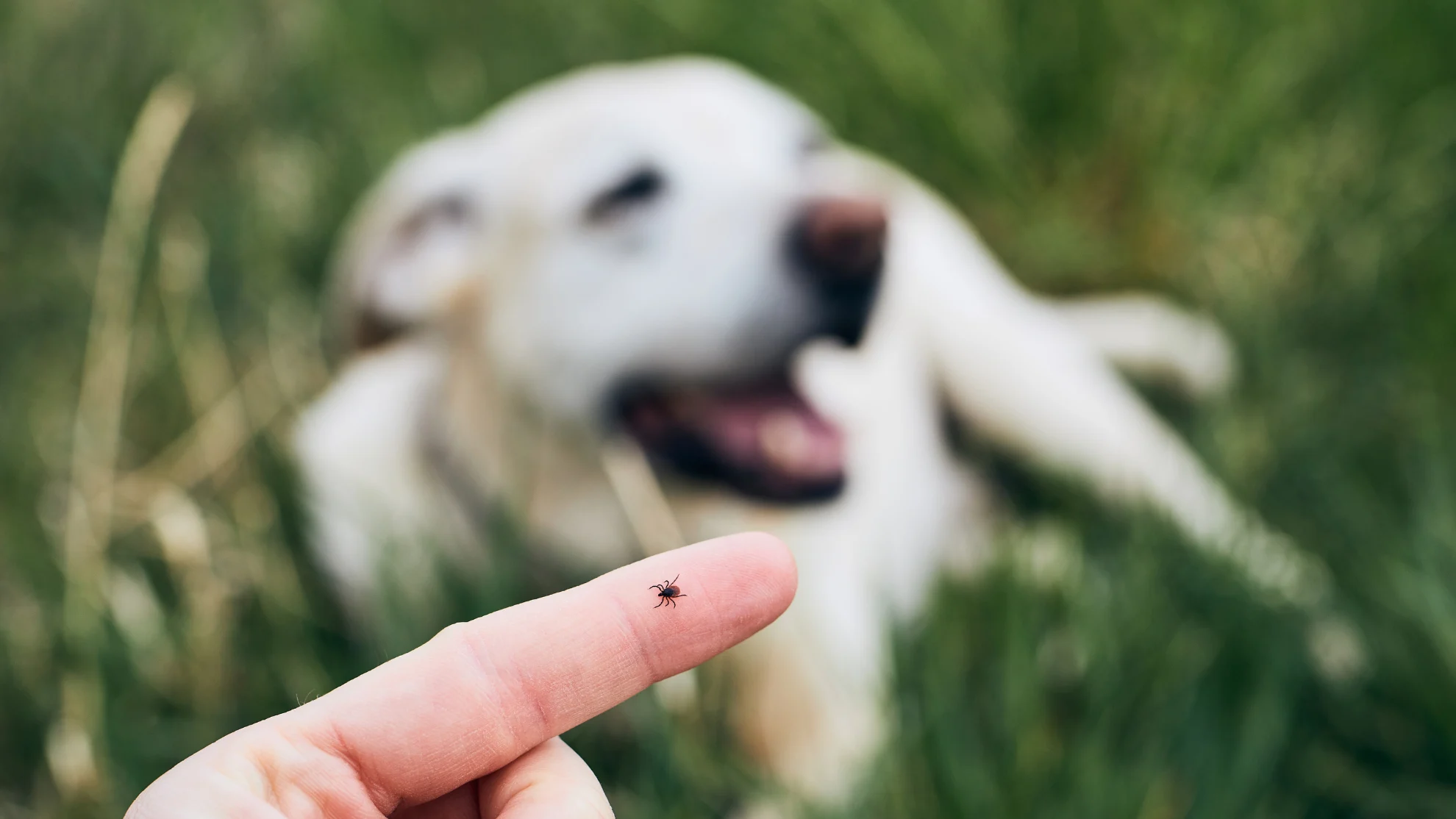
Researchers identify dangerous new tick-borne illness in dogs

The new bacteria, called Rickettsia finnyi, can cause fever, lethargy, swelling, rashes, and pain and, in some cases, death. So far, it has not been identified in humans.
A new disease spread by tick bites has been identified in dogs by researchers from North Carolina State University (NCSU).
The disease, a species of Rickettsia, was first documented in U.S.-based dogs. It has now been confirmed as a dangerous new bacterial species that can be fatal, NCSU says in a press release.
The new bacteria, called Rickettsia finnyi, can cause fever, lethargy, swelling, rashes, and pain and, in some cases, death. So far, it has not been identified in humans.
New disease associated with a tick present in Canada
R. Finnyi has not been detected in Canada, but a tick-borne disease of the same species, referred to as Rocky Mountain spotted fever (RMSF).
RMSF has been detected in Canada in humans and animals. It has similar symptoms to R. Finnyi.
RMSF is treatable with antibiotics. In severe cases, it can also be fatal to dogs and humans.
NCSU researchers believe the new bacteria may be associated with the lone star tick, which is known to transmit a disease that can make people allergic to red meat. The lone star tick is present in all three Prairie provinces, in Ontario, Quebec, and Nova Scotia.
“We first reported the novel species of Rickettsia in a 2020 case series involving three dogs,” Barbara Qurollo, associate research professor at NCSU and an author involved in the study, says in the press release.
“Since then, we received samples from an additional 16 dogs – primarily from the Southeast and Midwest [U.S.] – that were infected with the same pathogen. We were also able to culture the new species from the blood of one of the naturally infected dogs in that group.”
It’s not yet clear if the new disease can infect humans as well, but the researchers note that many Rickettsia illnesses can infect humans and animals.
Named after an important dog
The new species is named R. finnyi after Finny, the first dog they found carrying the disease.
“By naming it after an individual dog, we wanted to honor all companion dogs that have contributed to the discovery of new pathogens that could cause serious illness in both dogs and humans,” Qurollo says.
At least three of the dogs identified in the study died from the disease. While one passed away before receiving treatment, one died a day after starting antibiotics, and another passed away after treatment was completed.

*Symptoms in the 17 dogs involved in the study that were naturally infected with Rickettsia finnyi. (CDC)
Ticks can still be active in winter
While the risk of encountering a tick is lower in winter, ticks can be active year-round, especially on days when the temperature is at or just above the freezing mark.
Spot a tick? Here’s what you do
Remove the tick immediately using fine-tipped tweezers. If you find a tick on your pet, contact your vet.
Do not squeeze the body during the removal process, as this can accidentally let Lyme disease bacteria into the body.
Do not put anything on the tick or try to burn it, as this may prompt the tick to release bacteria into the bite area.
Clean the bite area with soap and water.
Seek medical attention immediately. If possible, bring the tick with you.
RELATED: Ticks continue to spread north
Header image: File photo via Canva Pro.