Study finds mosquitoes' relentless thirst for human blood is rising

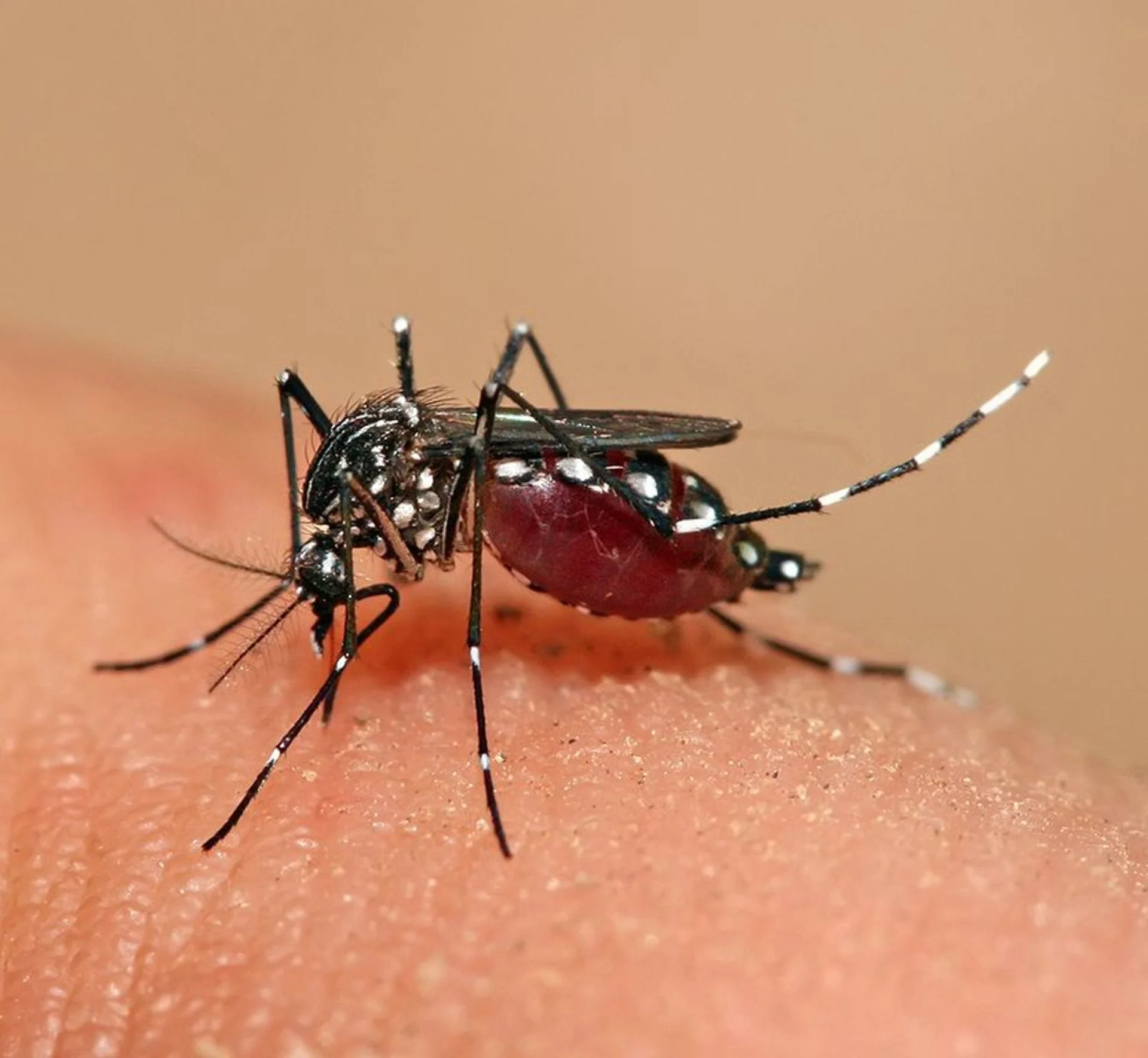
They've got a taste for human blood and they aren't backing down.
Scientists have discovered another consequence of biodiversity loss: It appears to be increasing mosquitoes’ desire for human blood.
Those are the findings of a new paper appearing in the journal Frontiers in Ecology and Evolution.
Researchers looked at mosquitoes along the Brazilian Atlantic Forest and found most of their meals contained human blood. More than 1,700 mosquitoes were captured in nature reserves in Rio de Janeiro.
Of that, they were able to analyze the meals of 24 female mosquitoes in the lab, and found they consisted of 18 humans, one amphibian, six birds, one canid, and one mouse.
This wasn't always the case: Historically, the Brazilian coastline has provided habitat to countless birds, amphibian, reptile, mammal, and fish species. But human expansion has decimated forested areas. Today, it's estimated that more than two-thirds of the Atlantic Forest has been dozed over to make way for human development.
While some mosquitoes have an innate preference for certain species, the absence of those species has forced them to turn to another animal.
Dr. Jeronimo Augusto Alencar, a senior researcher at Oswaldo Cruz Institute and an author of the study, says in addition to preference, their behaviour is strongly driven by host availability and proximity.
In other words, They’re looking for an easy food source, and humans are everywhere.
“This strong preference for humans could lead to mosquitoes transmitting more viral diseases and adverse health outcomes for people who live in the area,” the authors say in a statement.
They hope the findings will result in better risk identification and disease prevention strategies.
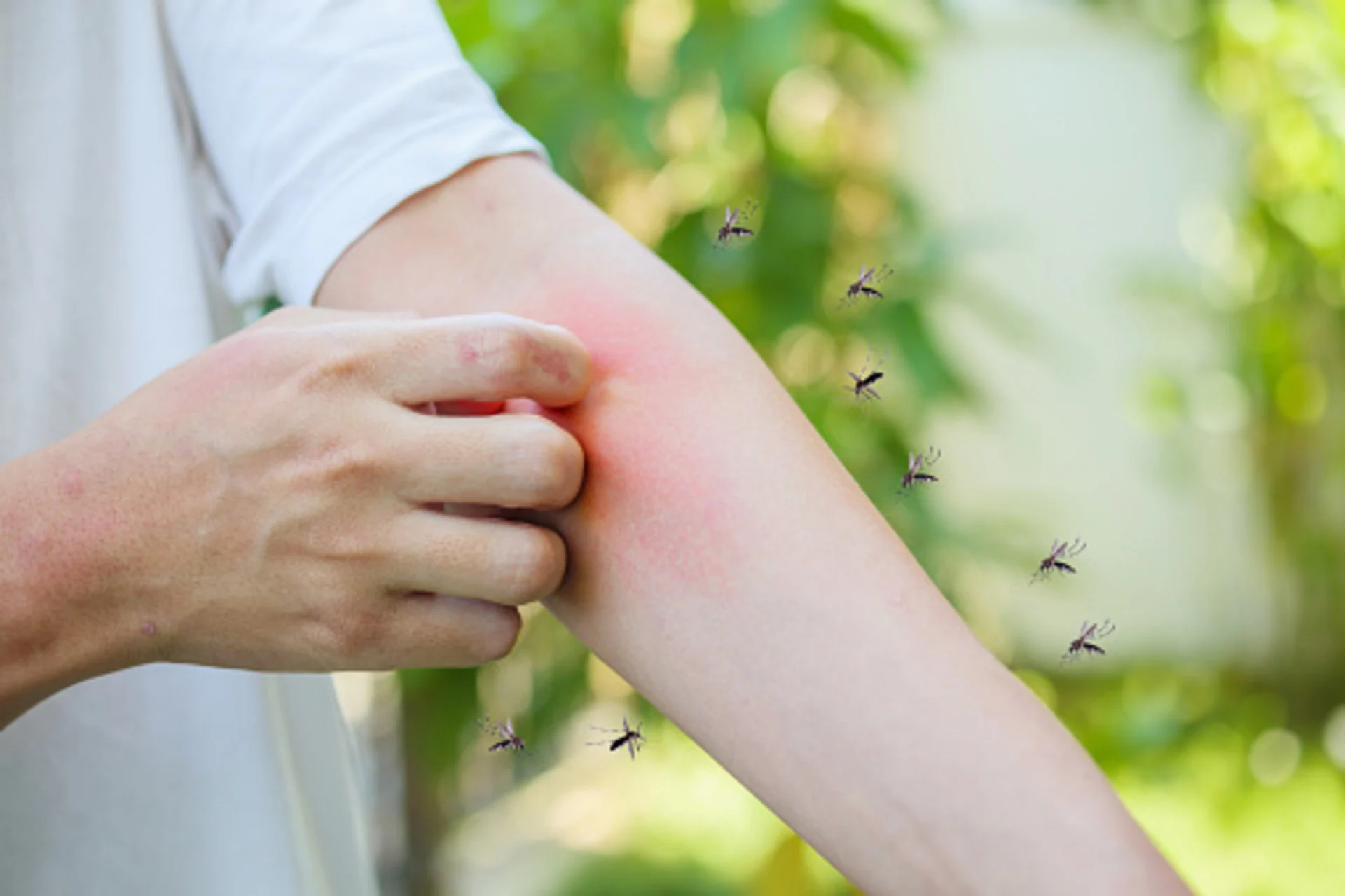
Mosquitoes will search out the easiest and closest meal. (file photo/Getty Images)
Human activity linked to more disease-spreading mosquitoes
It isn’t just the loss of biodiversity that can elevate the risk of disease transmission: A separate study from 2020 found that disease-spreading mosquitoes are nearly three times more likely to occupy areas impacted by human activity, including areas with heavy pesticide use, when compared to areas less disturbed by humans.
Samples taken from inside South Africa's Kruger National Park and densely populated areas outside the park showed a significant difference in the abundance and diversity of mosquito species, with species known to spread Zika and malaria more common outside the park.
Disease-spreading mosquitoes flourish in human-impacted areas due to a 'domino effect,' according to the researchers.
Pesticide use, for example, migrates into ponds and other small bodies of water, which are prime breeding spots for mosquitoes. If pesticides are concentrated enough, they will kill all the fish and other natural mosquito predators in those spaces.
More mosquitoes hatch because there are fewer predators to eat them in the larval stage.
Avoiding mosquitoes
Mosquitoes aren’t a big problem in Canada now that it’s winter — but our season typically begins in May and can extend well into September if weather conditions allow.
When warmer weather hits, you can reduce your risk of coming into contact with mosquitoes by:
Wearing light-coloured clothing, especially when outdoors.
Covering up with long sleeves and pants, particularly at dusk and at dawn.
Using an insect repellent.
And here are some other tricks, courtesy of The Weather Network's very own Nathan Coleman:
Keep your lawn well-groomed and tidy.
Use basil, which acts as a natural mosquito repellent.
You'll want to do your best to eliminate any standing water, but if you’ve got a problem area, throw on some coffee grinds. Standing water is a classic breeding ground. The coffee grinds will make the water less clear, and if they go in for a landing, they may not make it out.
Have a fan? Turn it on outside. Mosquitoes are weak flyers and won’t be able to stand up to the breeze.
Header image: File photo via Canva Pro.