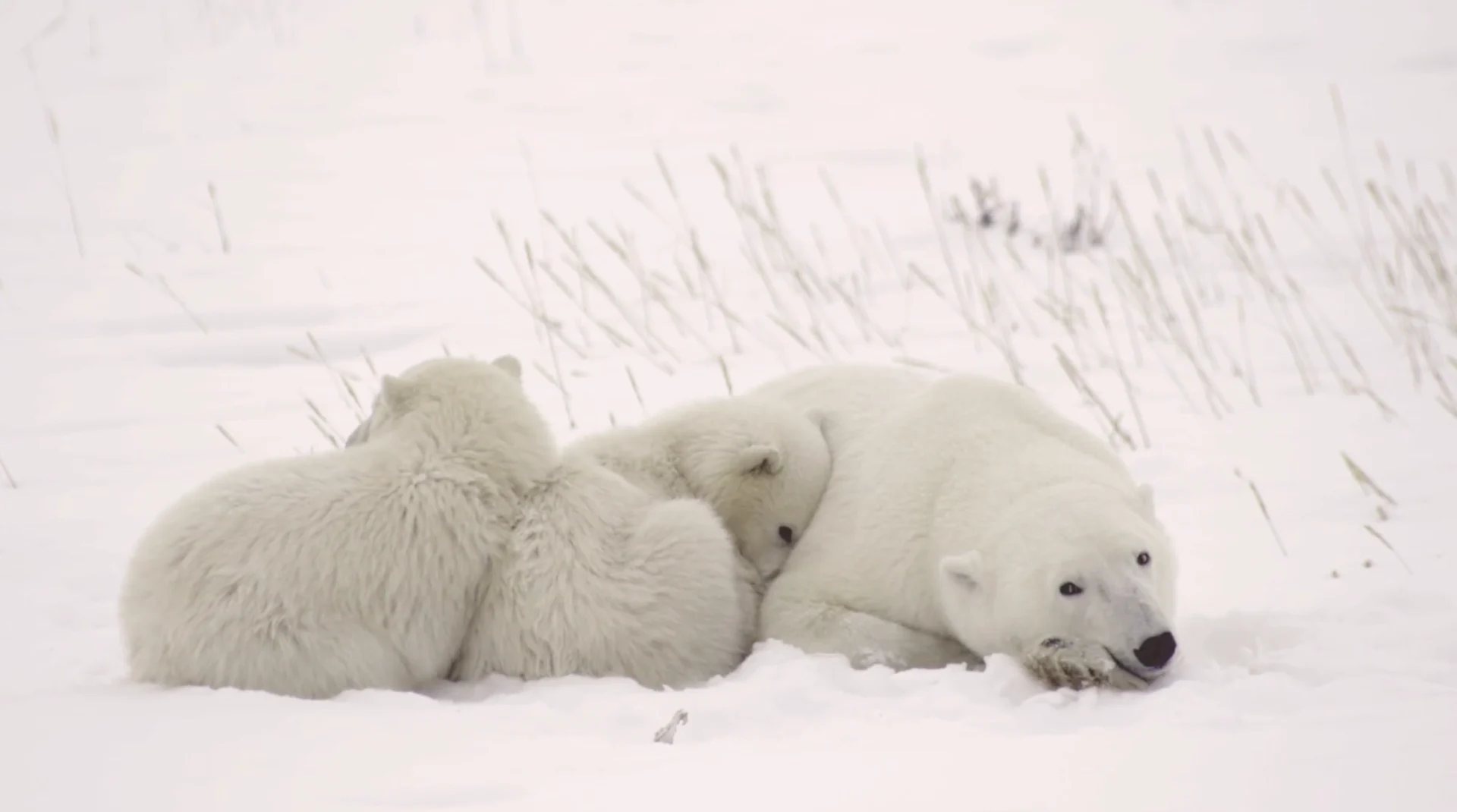
Spring Awakening: A critical time for Canada's polar bear cubs

Did you know fewer than half of polar bear cubs survive to adulthood? Here's how you can help.
The arrival of spring in Churchill, Manitoba, brings an exciting event: the emergence of baby polar bears from their dens for the first time. Born in December, these cubs begin to learn what it means to be an ice bear.
As they follow their mothers to the ice, the cubs mimic their every move, acquiring essential life skills such as navigating sea ice. However, this period also presents potential dangers, particularly as they adapt to changes in sea ice conditions.
In a typical year, the survival rate for polar bear cubs hovers around 50 per cent. Unfortunately, during years of poor sea ice conditions, there may be no surviving cubs at all.
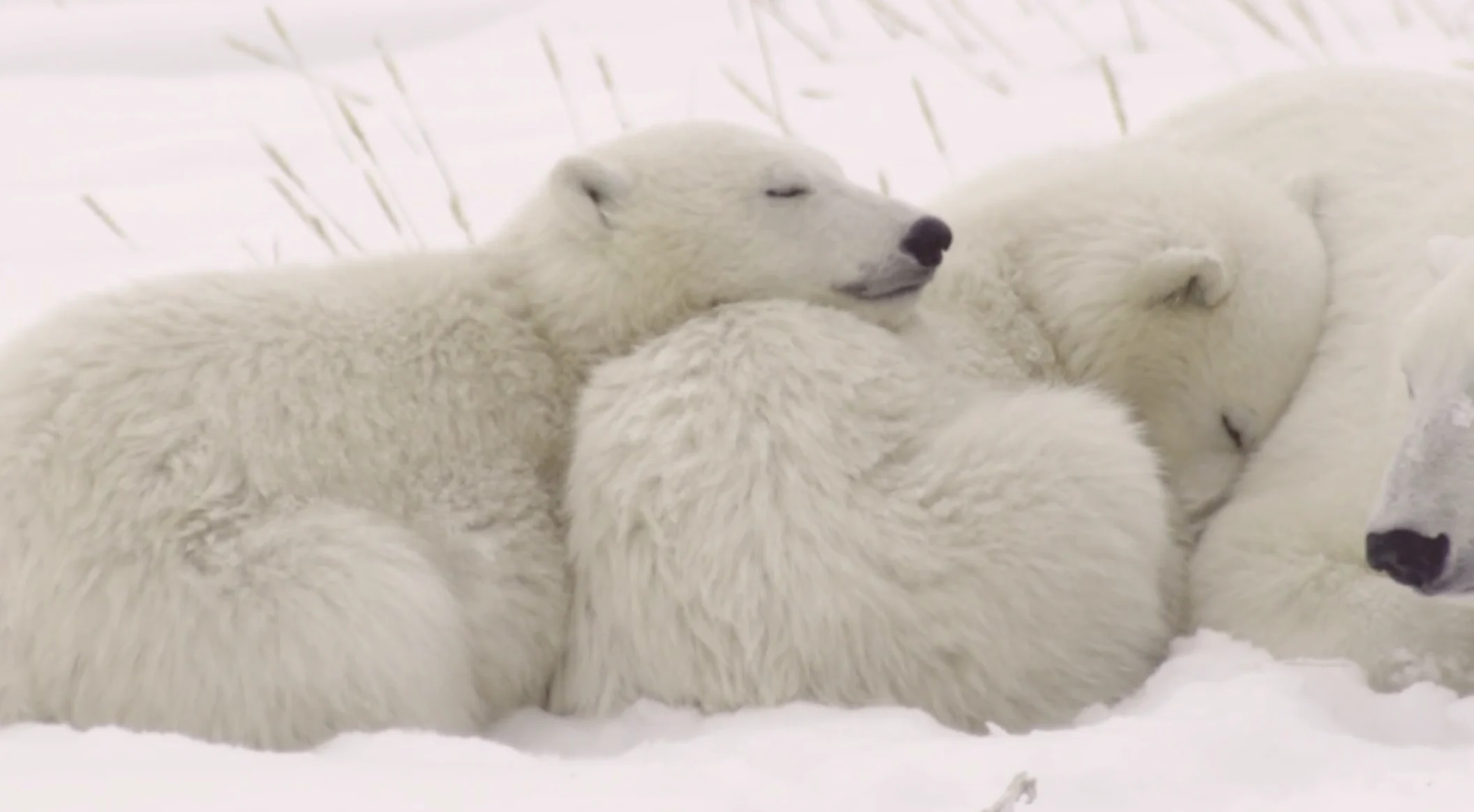
February 27 marks International Polar Bear Day. The day coincides with the time period when polar bear moms and cubs are snug in their dens. (Image: Polar Bears International/provided)
So, what can we do to help? According to experts from Polar Bears International, one important action is to care for our planet to prevent the rapid disappearance of sea ice. Additionally, we can take immediate steps to protect vital denning areas from human interference and industrial activities.

The focus for 2026 is on raising funds to help protect moms and cubs, giving them the best possible chance of survival, while also supporting other conservation efforts across the Arctic. Click here to support. (Image: Polar Bears International/provided)
RELATED: Scientists witness ultra rare polar bear cub adoption in Manitoba
For those interested in learning more about polar bears and observing them in action, the Polar Bears International website offers valuable resources.
This Friday is International Polar Bear Day, and the team will host Q&A sessions with their scientists on social media, providing an excellent opportunity to engage and learn more about these magnificent creatures.