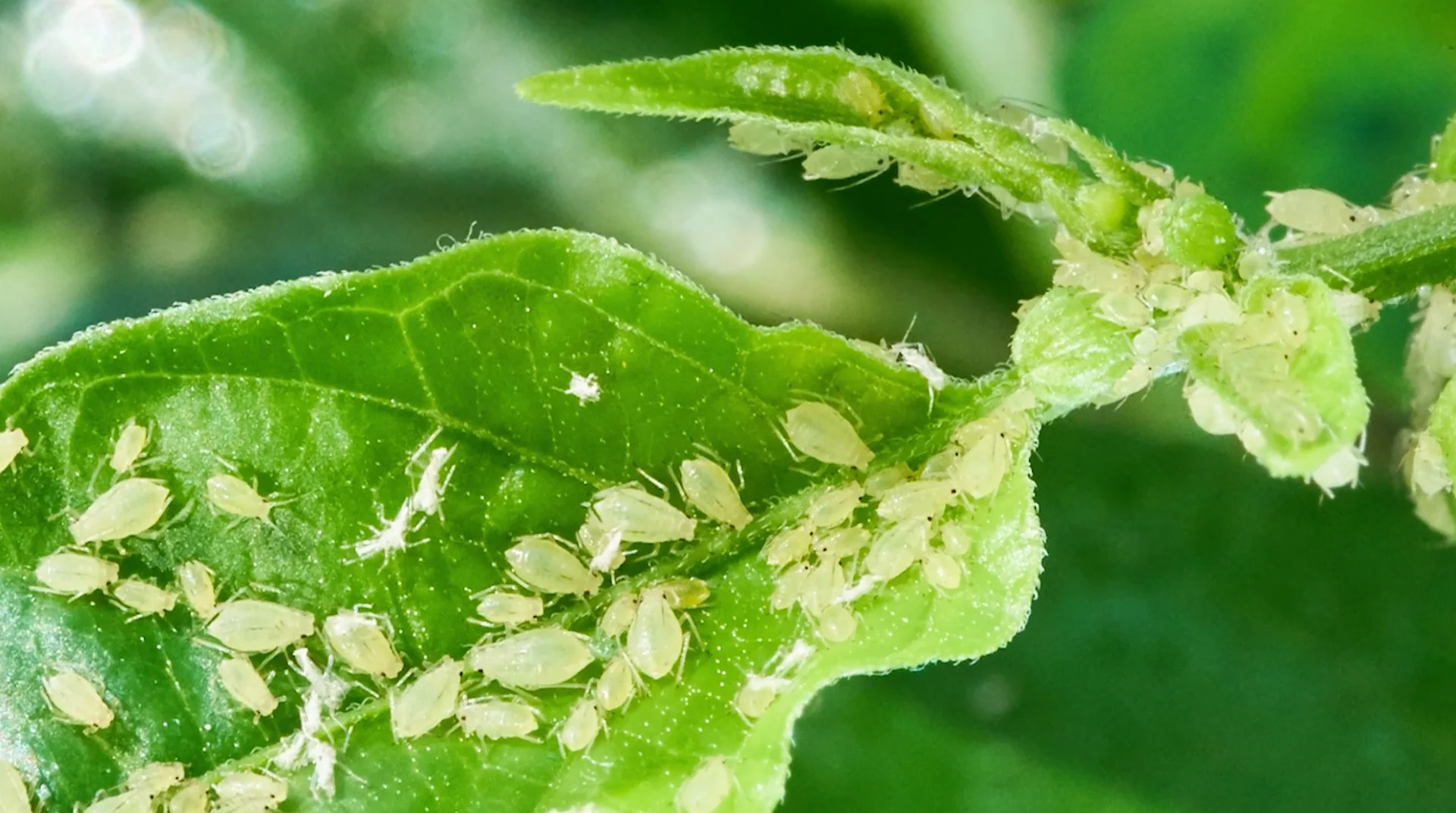
Seeing (or inhaling) a lot of aphids lately? Here’s why and what to do about it

Have you encountered any tiny insect swarms lately? There’s a good chance those little critters are aphids. As one expert explains, they’re entering the final phase of their life cycle when they start bumping into your hair and clothing. While they are harmless, there are a few ways to control aphid populations throughout the summer to keep them out of your yard and garden and to stop the swarm before it forms.
They get in your hair, your mouth and your ears, and you’ll encounter them throughout your garden and yard.
It seems like every year in late summer, aphids are flying around just about everywhere, rudely interrupting your evening walks, your bike rides and your daily gardening rituals.
As it turns out, the timing of this annual surge in aphid activity is no coincidence.
RELATED: It's 'raining poop' on the Prairies. Thanks, aphids
And while you may write them off as a simple nuisance, there’s much more to aphids than what (sometimes literally) meets the eye. In fact, they go through one of nature’s most fascinating reproductive cycles.
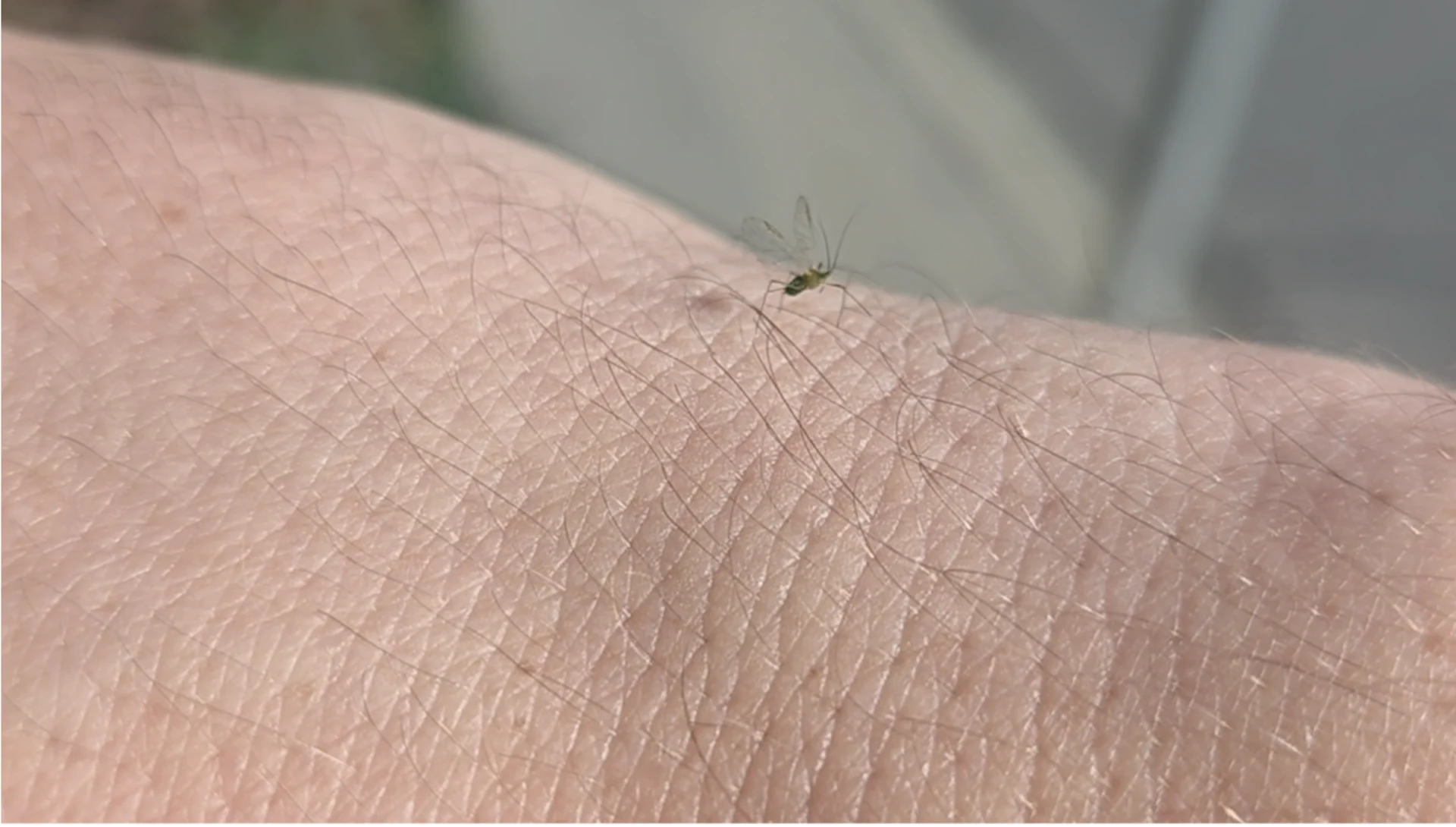
This aphid is ready to take flight, but its recent ancestors likely didn’t have wings at all. After “stem mothers” hatch in late spring, they eventually stop producing winged babies so their offspring can focus on feeding locally. (Connor O’Donovan/The Weather Network)
They begin this process as eggs tucked away in the crevices of woody trees and shrubs.
After hatching in the late spring and finding a healthy host plant to feed on, aphids actually spend most of the summer wingless.
Having found a suitable habitat, aphid mothers start birthing wingless nymphs that can focus on feeding locally instead of flying off in search of greener homes.
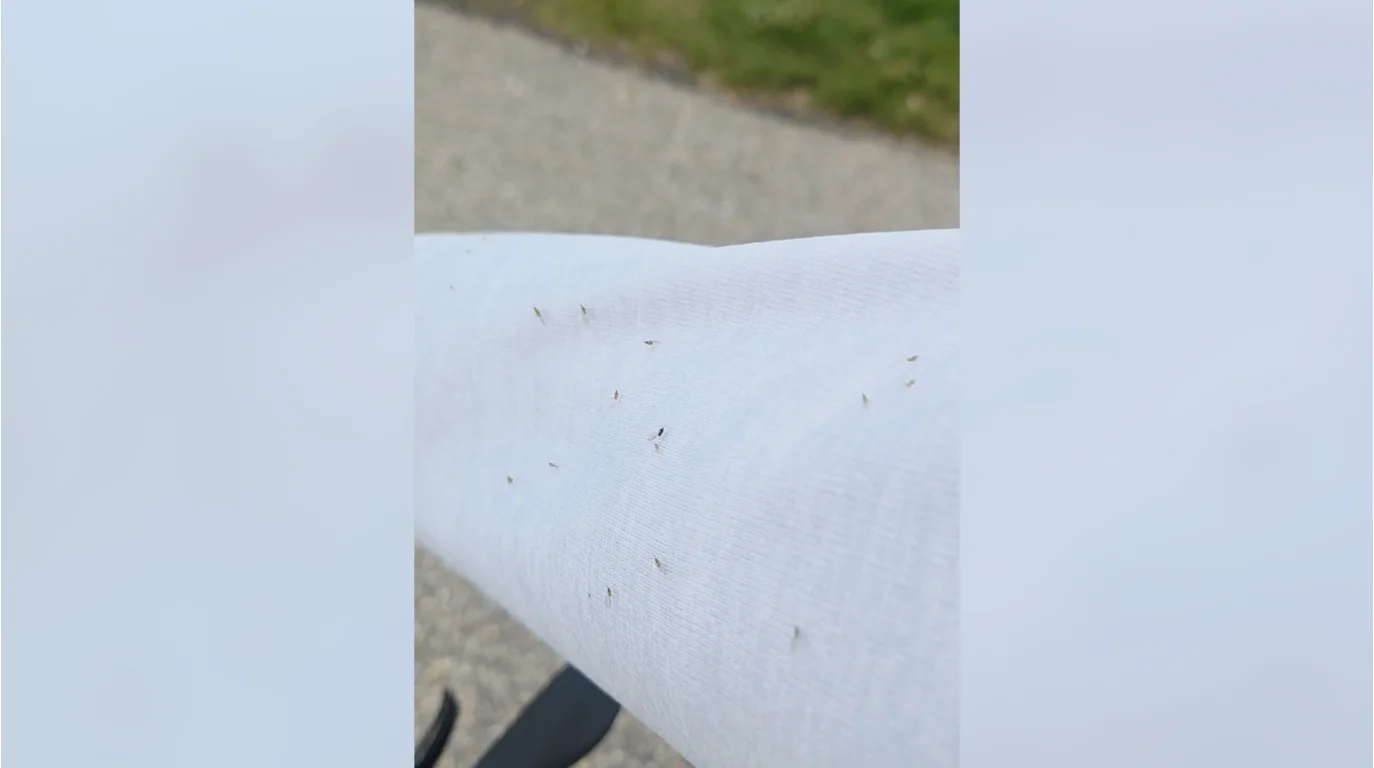
Encounter any aphid swarms during your last bike ride? One of most unique life cycles in nature helps explain why. (Connor O’Donovan/The Weather Network)
Here’s where it gets really interesting.
During this time, aphids reproduce asexually through a process known as parthenogenesis.
Like Russian nesting dolls, daughter aphids are born with embryos already developing inside of them.

Like nesting dolls, mother aphids can reproduce asexually - no males needed. These “telescoping” generations mature rapidly, sometimes within a week, leading to population booms. (Image: Adobe Stock)
SEE ALSO: If you see these caterpillars this fall, don't even think about touching them
A mother can birth multiple nymphs a day, and it doesn’t take long for those clones to mature.
“So on a really hot week, you can have a female giving birth, and then that offspring giving birth by the end of the week,” says Ken Fry, an entomologist and instructor at Olds College in Alberta. “So you can imagine the numbers building up quite quickly.”
Over the course of a summer, local aphid populations can skyrocket, especially in years where weather patterns provide a wet spring and warm summer that produce ample plant growth.
But when summer begins transitioning to fall, populations peak as another changeup occurs. In effect, mother aphids start sensing the need to prepare for less hospitable seasons.
“It’s declining temperatures, declining daylight and the decline of the plant as it prepares for winter,” Fry explains.
“You have all of these environmental cues saying ‘it’s time to pack up and prepare for winter.’”
Driven by a resultant change in hormonal output, mother aphids begin producing winged offspring capable of flying to woodier habitats where overwintering eggs can be safely laid.
During this time, mother aphids also begin producing males, which also take off in search of mates.
The caveat here is that these tiny little pilots aren’t strong flyers. They need to wait for a calm, warm day to take flight.
So, you can have millions of aphids taking off at once, preparing for their only sexual reproductive cycle of the year during which they’ll mate and lay eggs capable of surviving winter.
As a result, you get those swarms of aphids that you encounter during your daily stroll to the park.
Don’t worry too much if a few end up drifting into your mouth — because they feed exclusively on plant sap, aphids don’t carry any viruses that can harm humans.
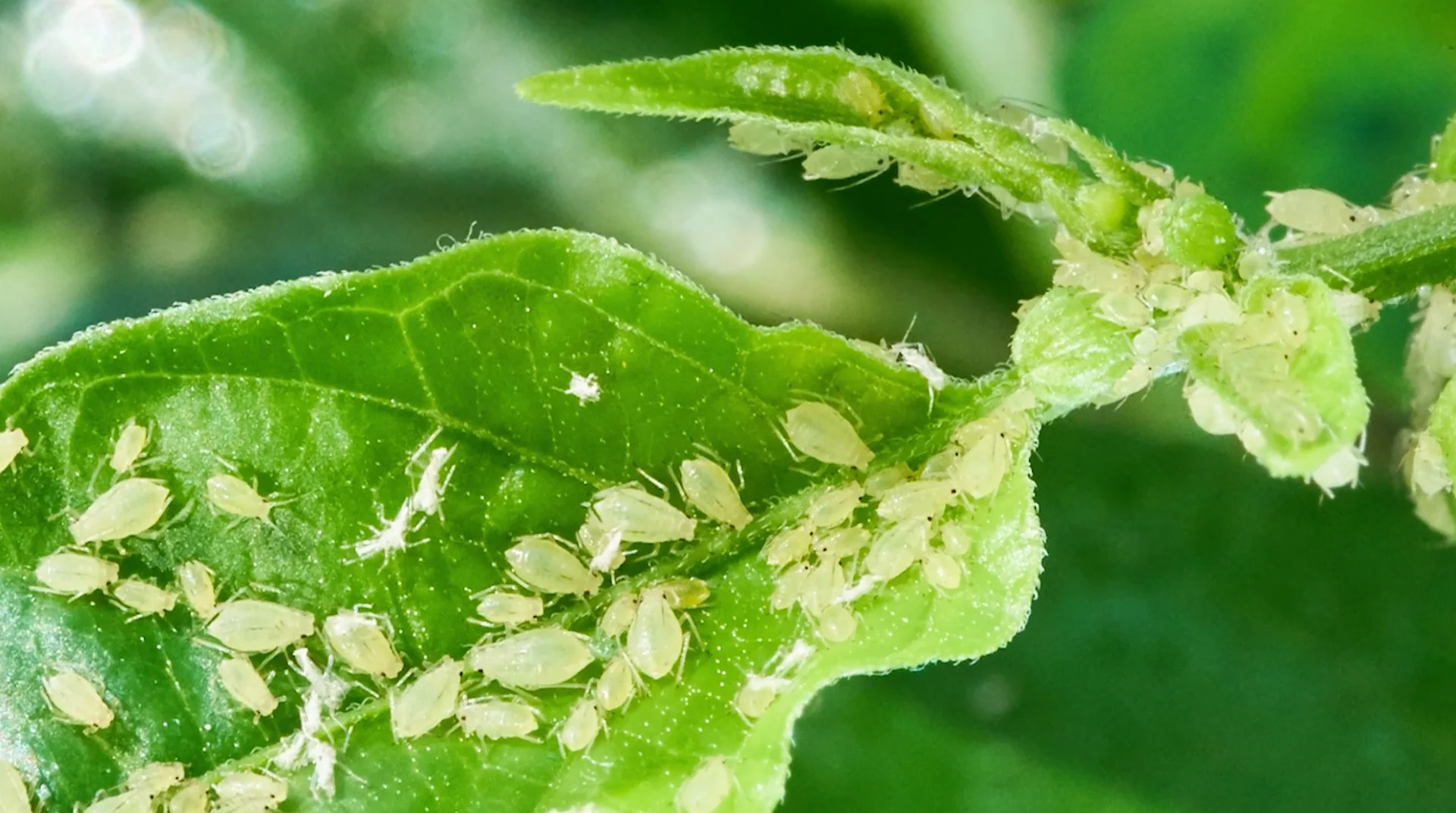
Aphids up close. (Stock image)
So, how can we control aphid populations in our gardens and yards?
Fry says that, after eggs are laid, adult aphids usually all die off at the first “killing frost” event of around -7°C.
If you can’t wait that long he suggests several methods for controlling populations through the summer months.
He says simply hosing down your plants can knock some of them away from their food source for good.
“They’re not really good climbers, and they can’t fly back up, so just a pressure jet of water will wash them off your plants. Because they can reproduce so quickly, you may have to do that more often than you think, like maybe every two to three days.”
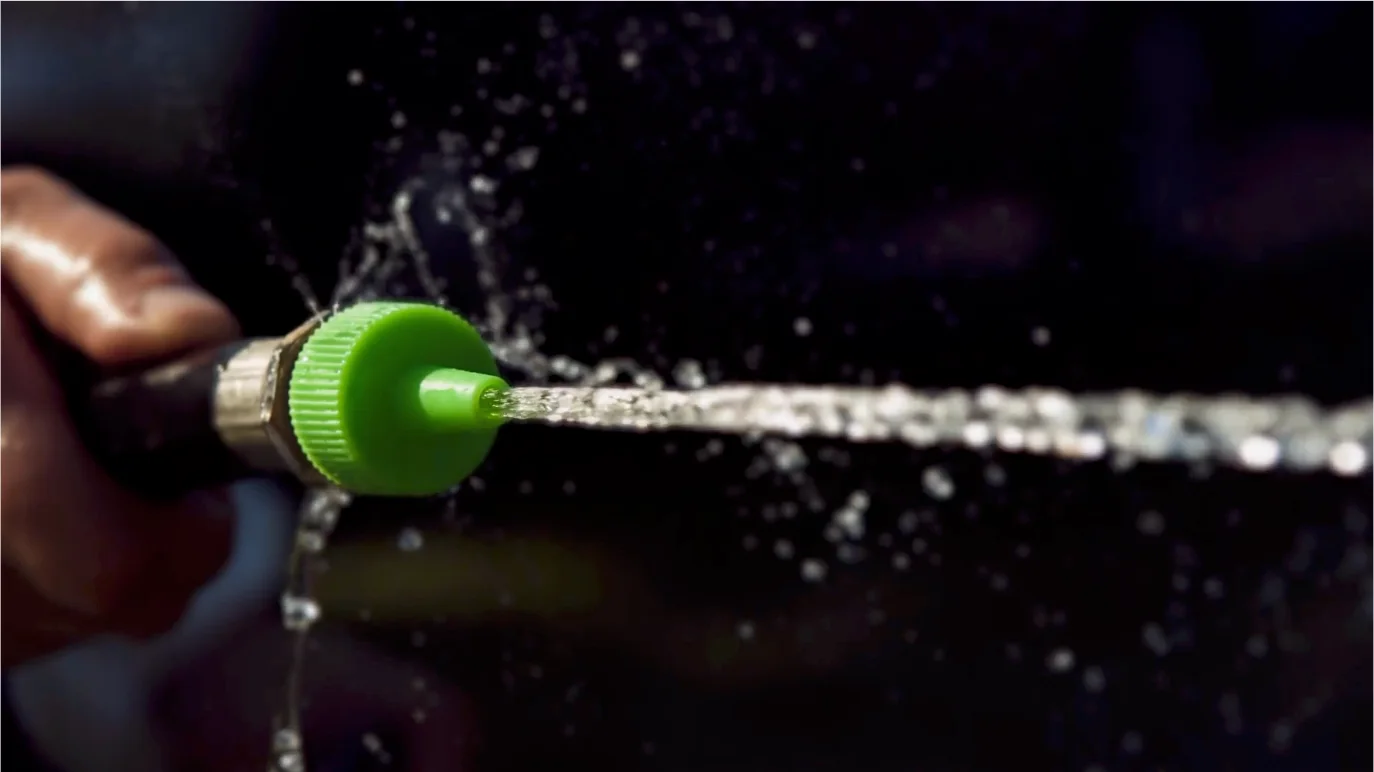
Regularly hosing down the plants in your lawn and garden in the summer can help control aphid populations. (Image: Storyblocks)
Allowing for airflow between plants is also important, Fry says.
“Aphids like moisture, so if you have a really densely packed canopy, aphids are potentially going to be a problem,” he explains.
“This helps reduce disease. Fungi are responsible for most plant diseases, and fungi love moisture.”
Spreading out plants, and doing regular pruning can help reduce the number of aphids in your garden.
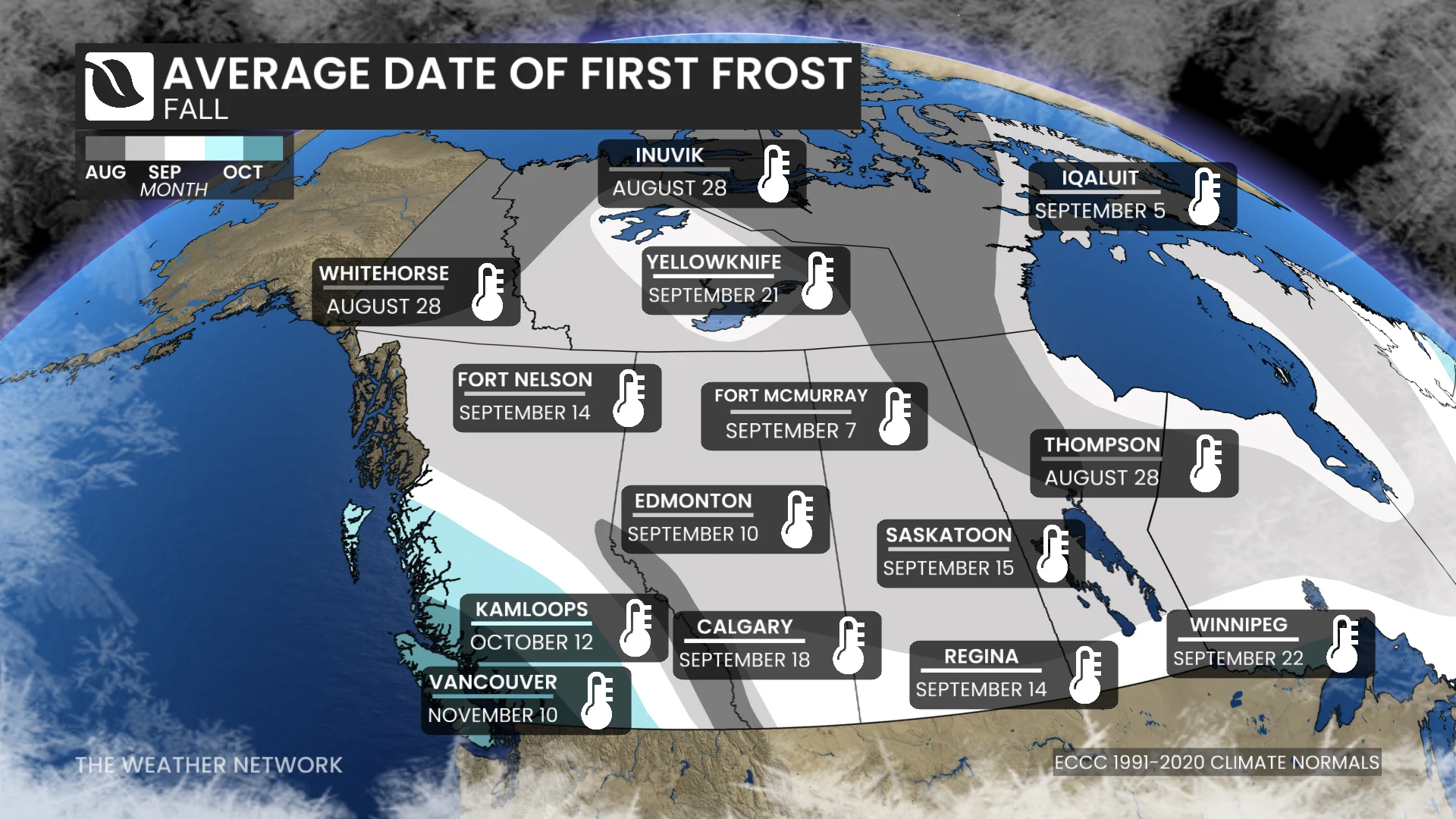
Average day of first frost across western Canada. (The Weather Network)
Aphids also have several natural predators that can also help with population control, like ladybugs, green lacewing larvae and predatory midges.
Some garden centres sell live predators to help with aphid control.
“Will they eliminate the aphids? Well, probably not,” says Fry.
“But that’s what biocontrol is all about - suppressing a population to a manageable level, so we’re not up to our ears and eyeballs in pests.”
However, winged aphid production isn’t exclusive to late summer and early fall. If you see aphids flying around your garden earlier in the season, you’re definitely not imagining it.
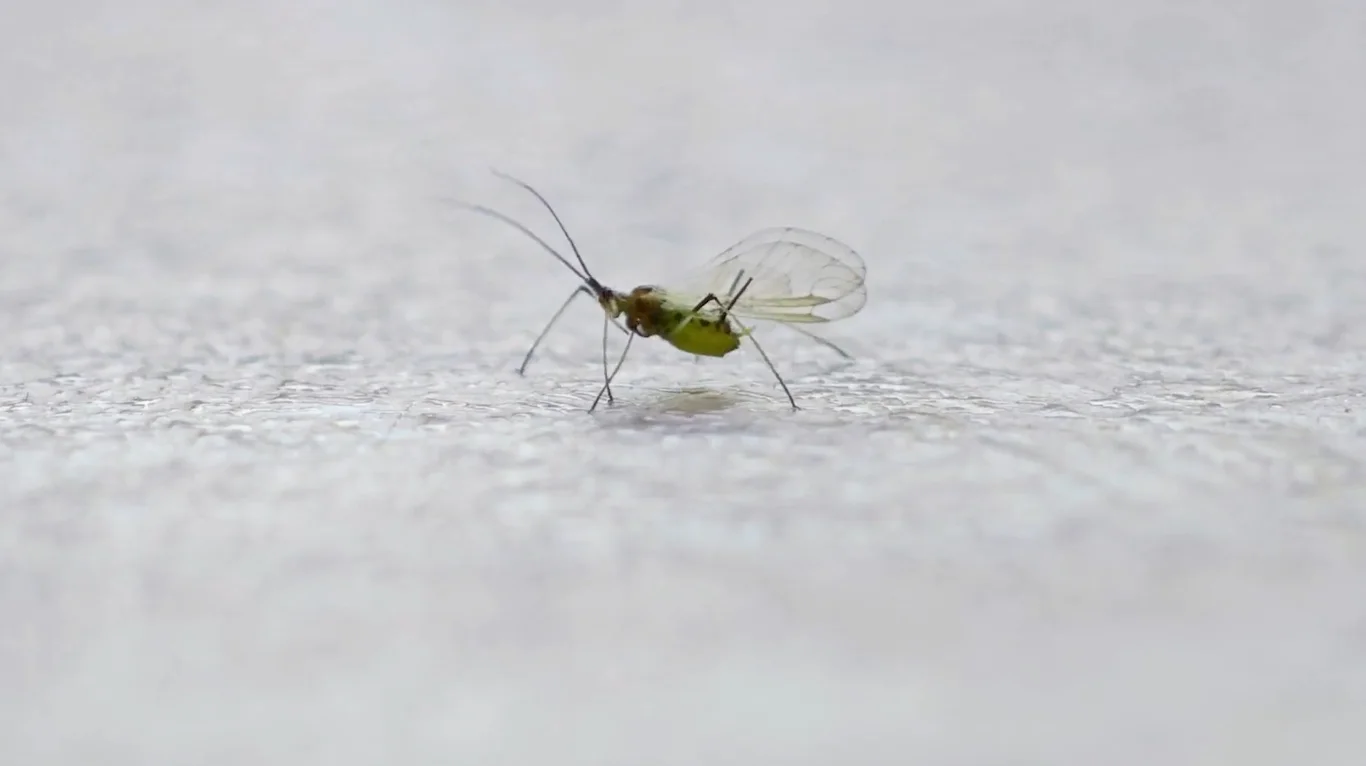
Winged aphid. (Image: Storyblocks)
Mother aphids can also be triggered to produce winged nymphs when a host plant deteriorates, becomes overcrowded, or when they sense a predator is near.
Research suggests that crowding, for example, leads to increases in tactile stimulation, which also alters hormone production. This can help a colony disperse when, in theory, its ability to survive on a host plant is threatened.
Similarly, if a predator is detected, some species of aphids will start twitching as a defense mechanism. This can also increase tactile stimulation and signal the need for winged offspring to escape the foes.