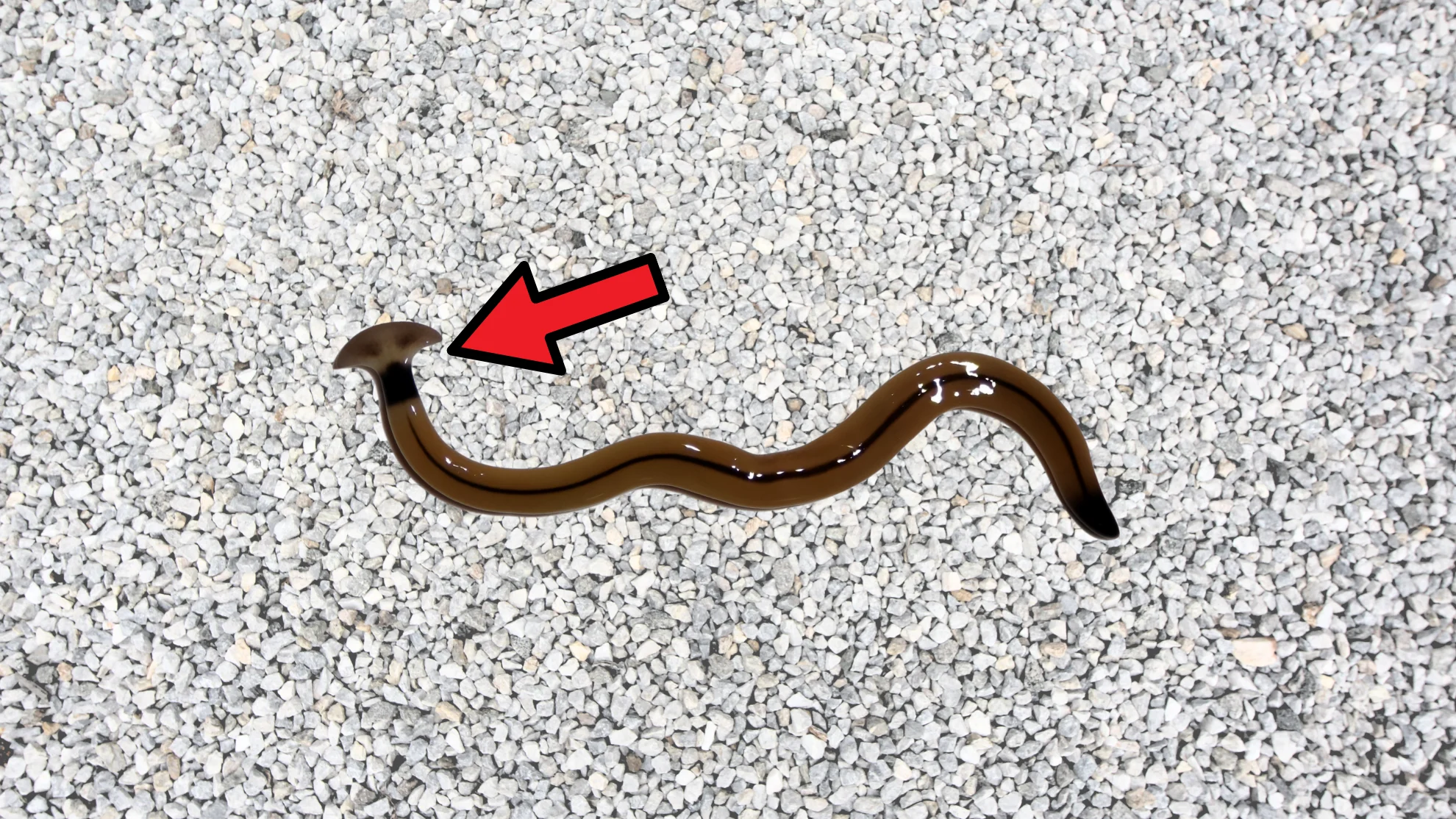
“Don’t kill it”: Toxic hammerhead worms are back this spring

Cooler temperatures have now forced the worms into hiding here in Canada, but in other parts of the continent they are thriving and triggering local warnings.
Hammerhead worms, an invasive and toxic species originating from Southeast Asia, were reported in several Ontario communities last spring, including cities in the GTA and surrounding areas.
Cooler temperatures have now forced the worms into hiding here in Canada, but in other parts of the continent they are thriving and triggering local warnings.
A period of rainy weather in Texas, coupled with warm temperatures, has recently brought hammerhead worms back with a vengeance, according to chron.com.
It's a preview of what may be to come in Canada, where the worms have been present since 2018.
"Don't kill it, don't squish it"
“The thing people need to know is don’t kill it, don’t squish it, don’t cut it up, because it makes three or four more worms, it’s asexual reproduction,” Texas Agriculture Commissioner Sid Miller told reporters last June.
“Tear it in half, now you’ve got two worms.”
How did hammerhead worms become a problem in North America?
Experts believe they came to North America in shipping containers.
The worms, also called shovelhead worms, secrete a dangerous neurotoxin called tetrodotoxin, which is also found in pufferfish. It can cause skin and eye irritation in humans and can harm a pet if ingested.
"While there are no documented cases of humans becoming ill from handling these worms, they should be avoided and if accidentally handled, wash hands immediately," Conservation Hamilton says on its website.
Hammerhead worms in Canada
Hammerhead worms are present in several Canadian provinces, including Ontario, Quebec, especially the Montreal and Gatineau areas, and Nova Scotia.
They were first reported in the country in 2018 in Montreal.
Identifying hammerhead worms
The hammerhead worms spotted in Ontario grow to about 10 cm in length and can be multicoloured. They have no natural predators in Ontario.
Meanwhile, the worms invading Texas can grow much larger -- up to 40 cm -- and can be a dark, uniform color.
The name is a general term for several flatworm species under the Bipalium genus.
In addition to carrying a toxin, hammerhead worms have a parlour trick: If cut in half, they can spread into multiple new worms.
They are a problem here in Canada and the U.S. because their lack of predators allows them to spread easily and unchecked. They outcompete native species and will eat native earthworms that keep the soil healthy.
How do hammerhead worms spread?
Hammerhead worms won't get too far on their own—they're mostly moved by human activities.
Like most worms, they're found in dirt and soil. You can help stop their potential spread by keeping soil local—don't transport it to other communities. And if you need to dump soil, don't dispose of it in wooded areas.
What to do if you find a hammerhead worm
If you find a hammerhead worm, use gloves to pick it up and place it in a sealed bag or container. You can kill the worm by sprinkling salt, hand sanitzer or soapy water in the container, or by placing the container in the freezer.
Let it sit for several hours before placing the sealed container in the trash, and wash your hands thoroughly afterward.
Header image: File photo via Canva Pro.