Unveiling Portugal's equestrian legacy: The timeless allure of Alter Real

Founded in 1748, the Alter Real Stud Farm is the world’s oldest stud farm still operating at its original location.
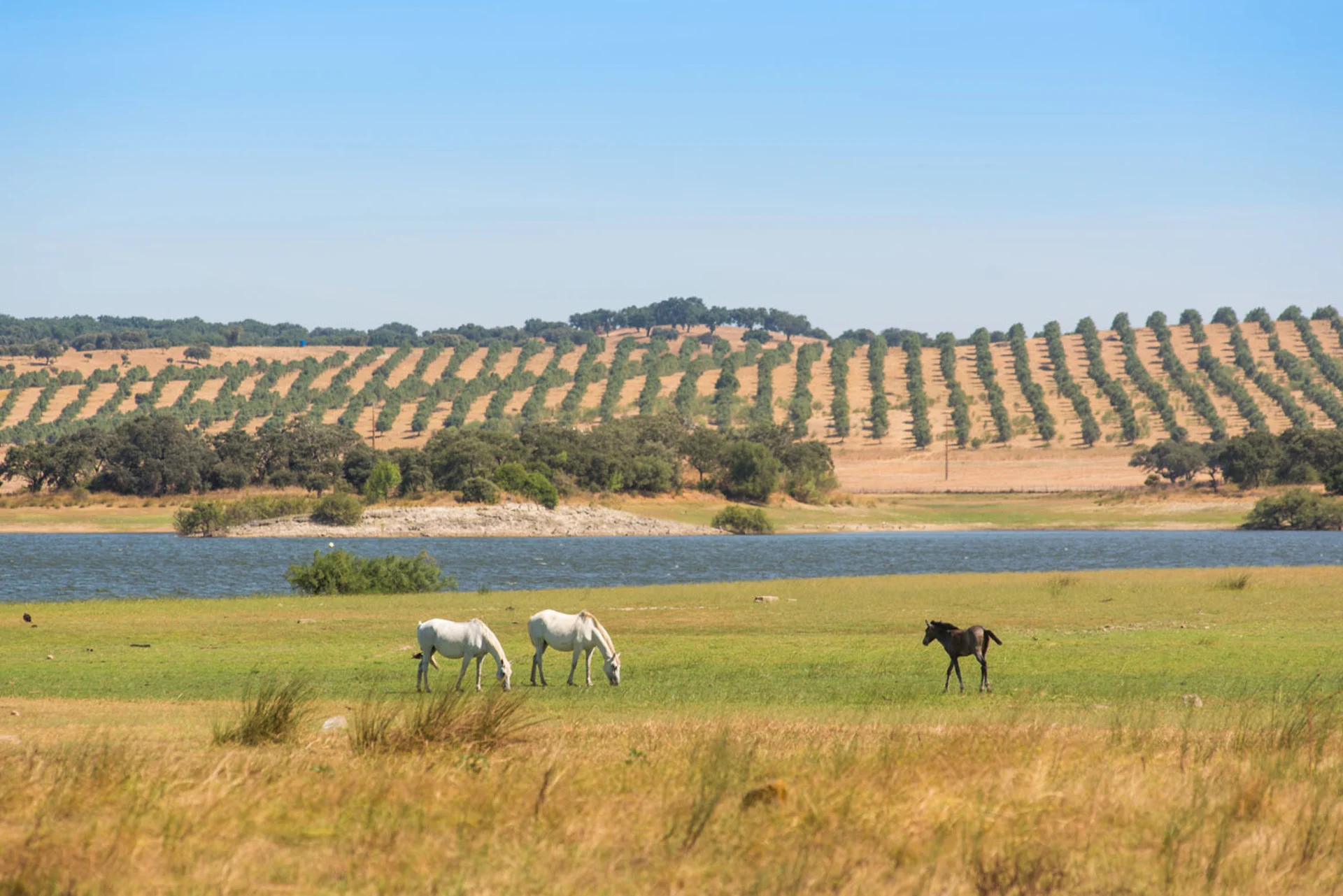
Portugal has so much to offer besides its historic cities, beautiful scenery, gastronomy, port wine and incredible culture. Beyond the olive groves, there is an equestrian time capsule located in the nation’s countryside, where a horse stud farm breeds and raises horses of cultural and historical significance.
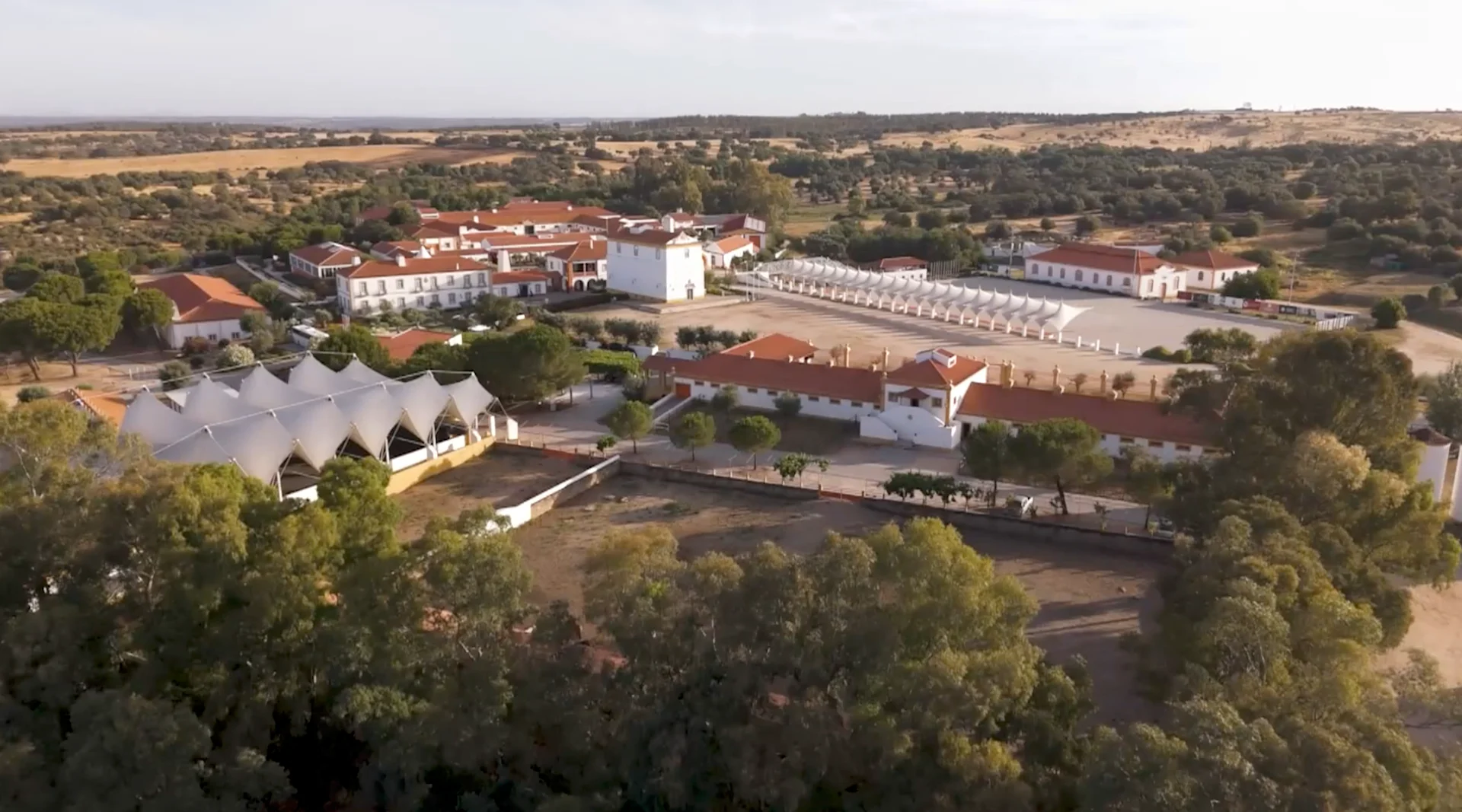
On 2000 acres of rolling pastures and hills, the Alter Real Stud Farm is located two hours east of Lisbon. Founded in 1748, it’s the world’s oldest stud farm still operating at its original location. The royal court of King D. João V established the farm to breed Lusitano horses, skilled for warfare and bullfighting. The royals coveted this breed because it was easy to train, fearless in battle, and a strategic tool in cavalry charges.
But equestrian arts were also very much in style when the Royal Stud Farm of Alter was founded. The royals wanted Portugal to be home to the world’s best saddle horses. King João V’s son, D. José, took on the task of building the farm, which has since shed its military purposes and come to be defined by its historical and cultural significance over the hundreds of years it has operated. It’s a land of breathing history, which is why you should seek out a tour company like Collette that includes authentic experiences, such as Alter Real, in its itineraries.
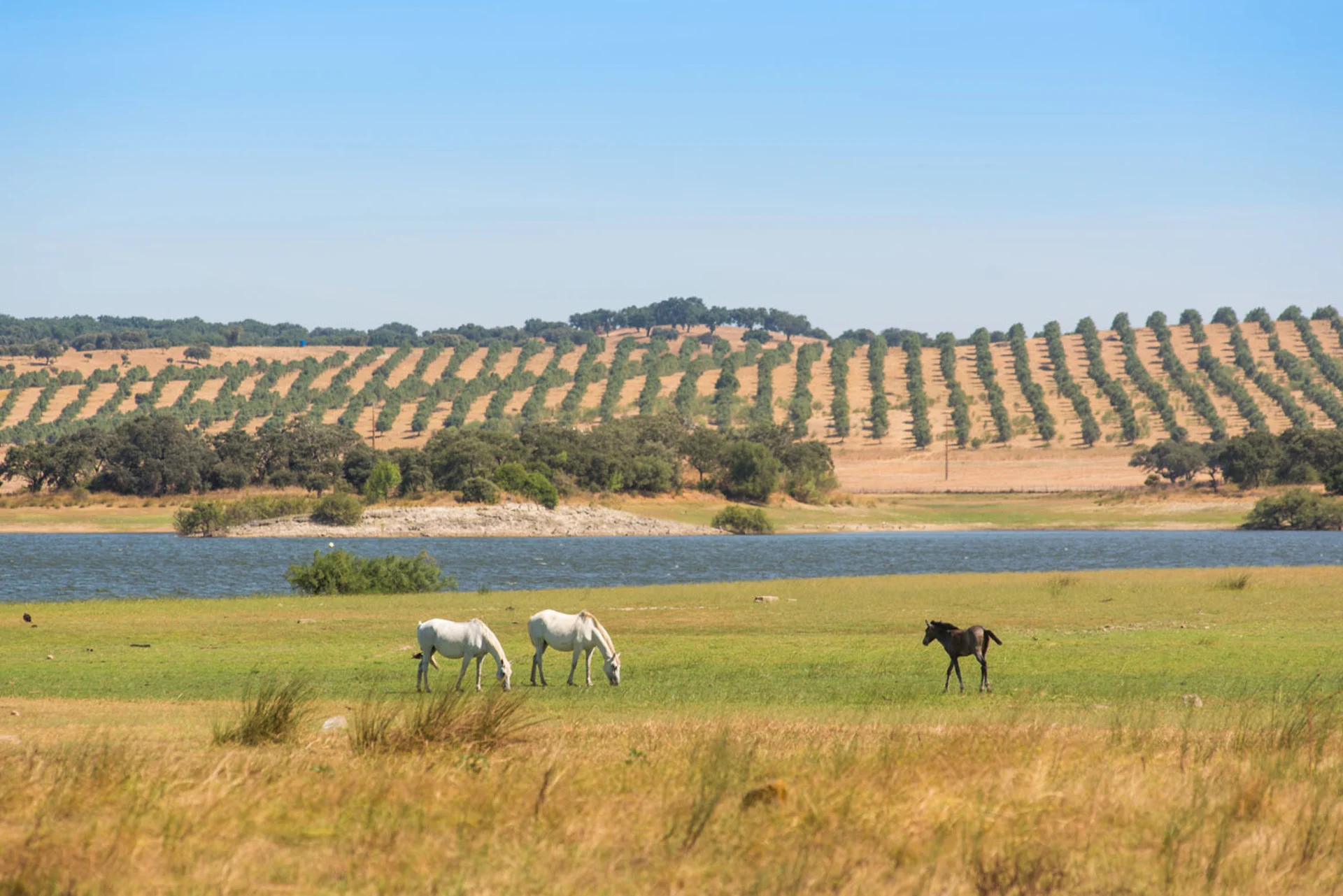
Today, Lusitano horses are prized for their intelligence and courage, and are known for their aptitude for classical riding and dressage, which is the training of a horse to perform precise movements in response to subtle signals from the rider. It’s like performing ballet on horseback.
This breed is so regal and beautiful, with its long manes, broad chests, and thick, flowing tails, that the 1775 equestrian statue of King D. João V in Lisbon features it. The story goes that the royal sculptor asked the riding master for the best model for the sculpture. A Lusitano was selected. They were so coveted that when Napoleon’s forces invaded Portugal, one of the main missions was to steal Lusitanos from Alter Stud.
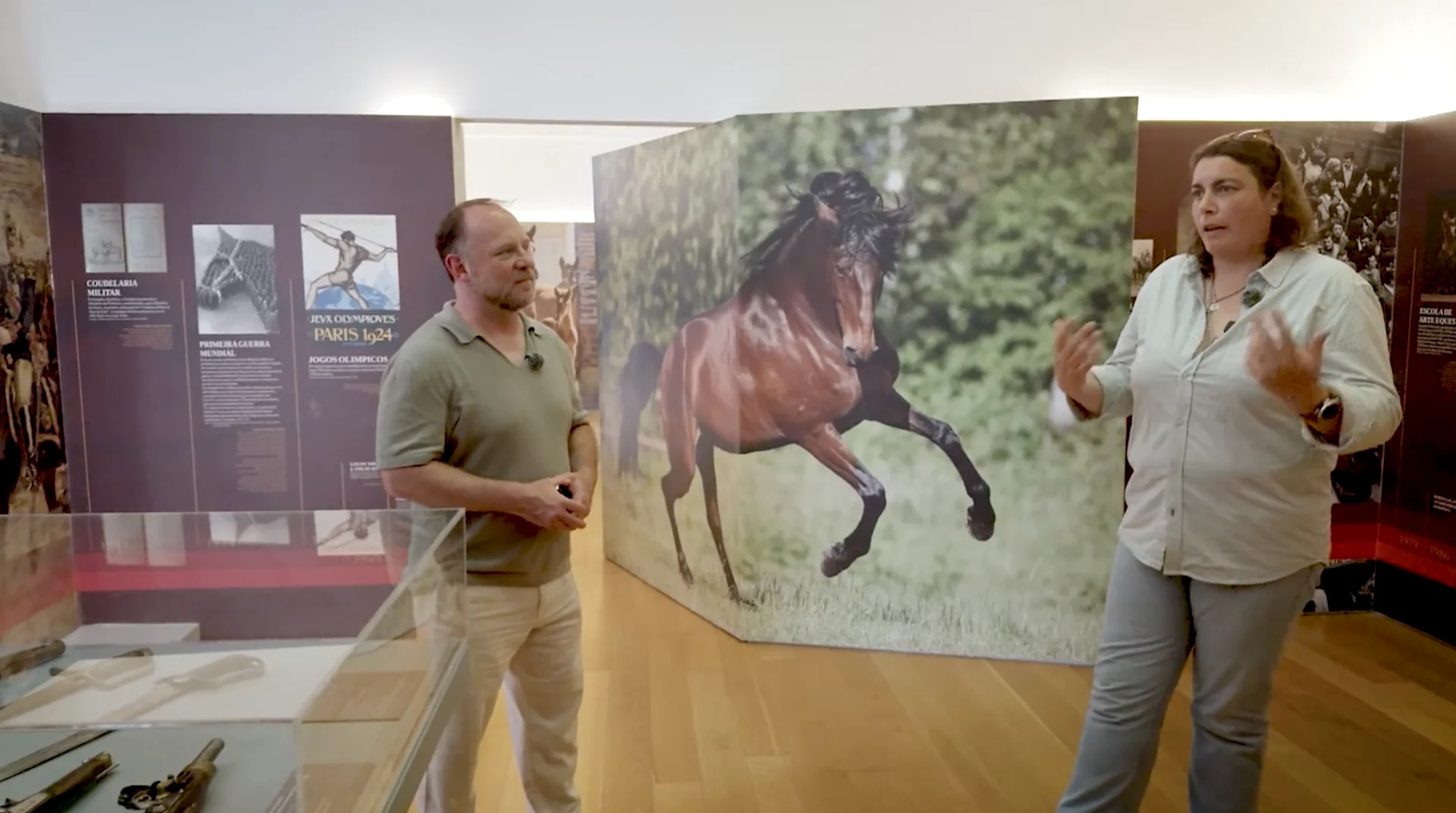
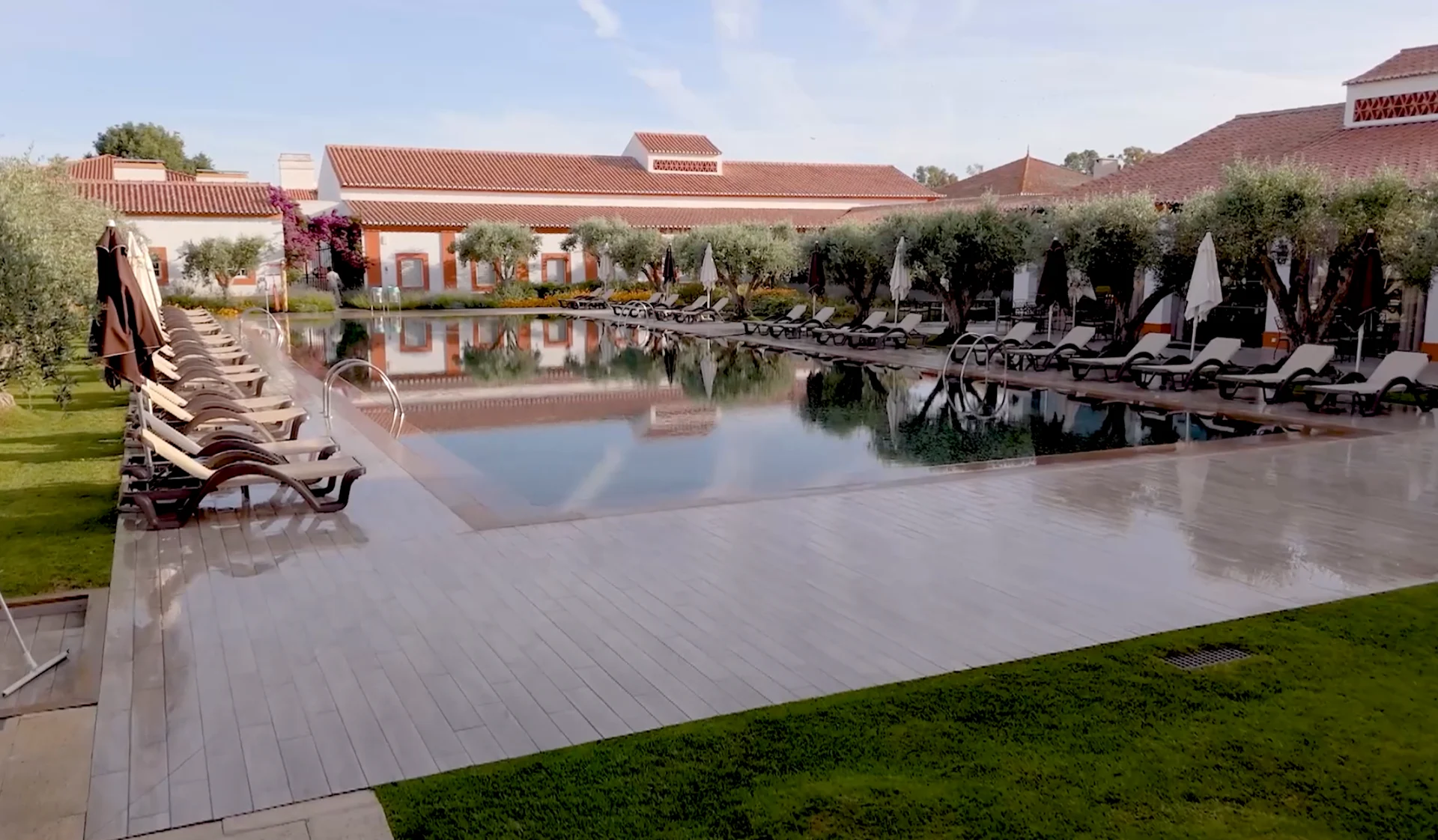
But with Napoleon out of the way, the farm is devoted to conserving the Lusitano purebred genetic heritage and bloodline, making it an equestrian landmark. The property is home to about 380 horses, and from Tuesday to Friday, visitors can watch a parade of about 60 mares and their foals depart for the pastures, where they spend the night. It’s also a tranquil setting with on-site accommodations for visitors.
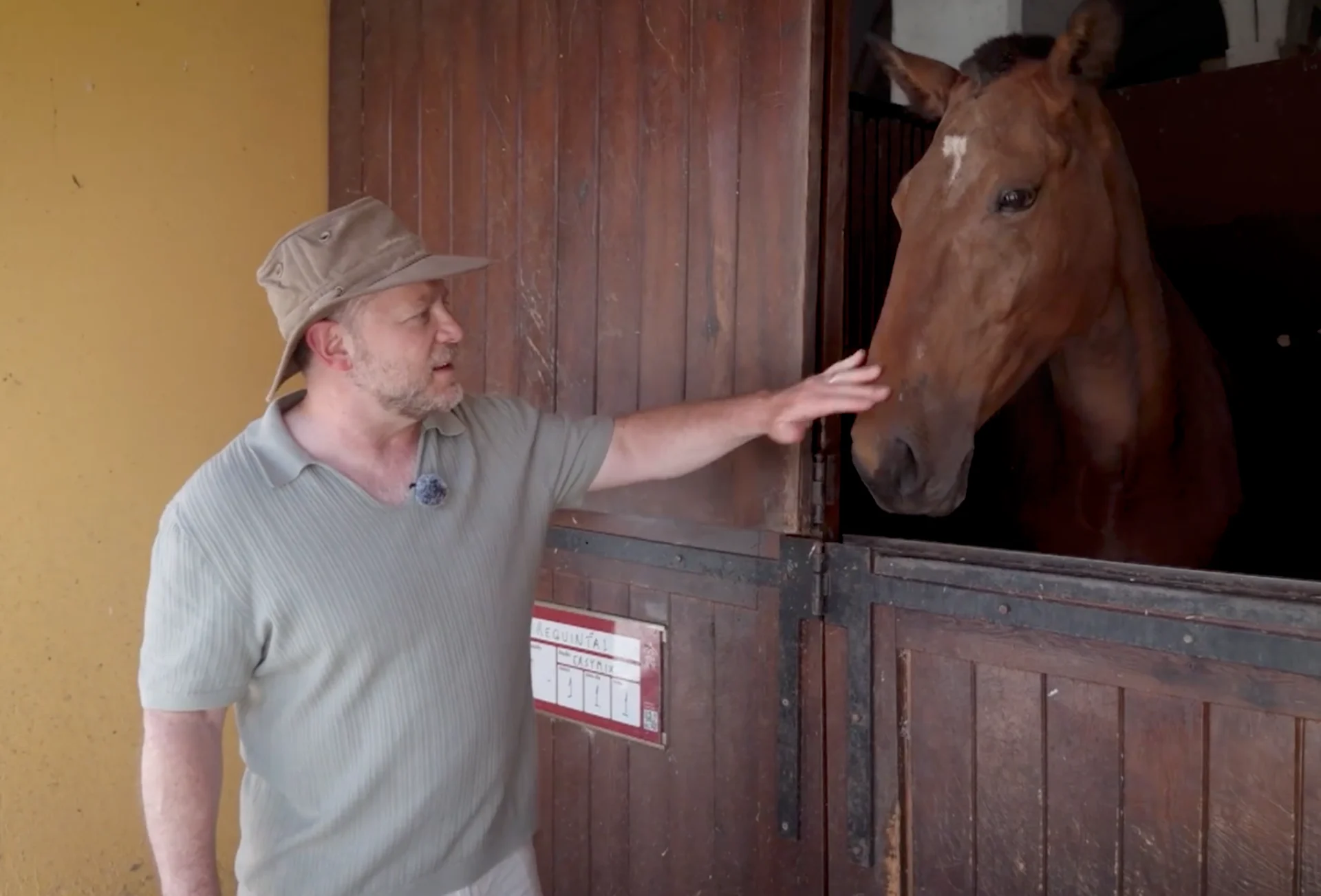
There is plenty to do here, with opportunities to stay and learn about the horse’s fascinating history through guided historic stable tours. A museum offers a glimpse into the past with equestrian artifacts and, of course, horse-and-carriage rides. Portugal has a lot to offer, but it’s places like Alter Real that make it a magical destination.