This tiny country wants you to call it by its new name

Countries change their names more often than you’d think
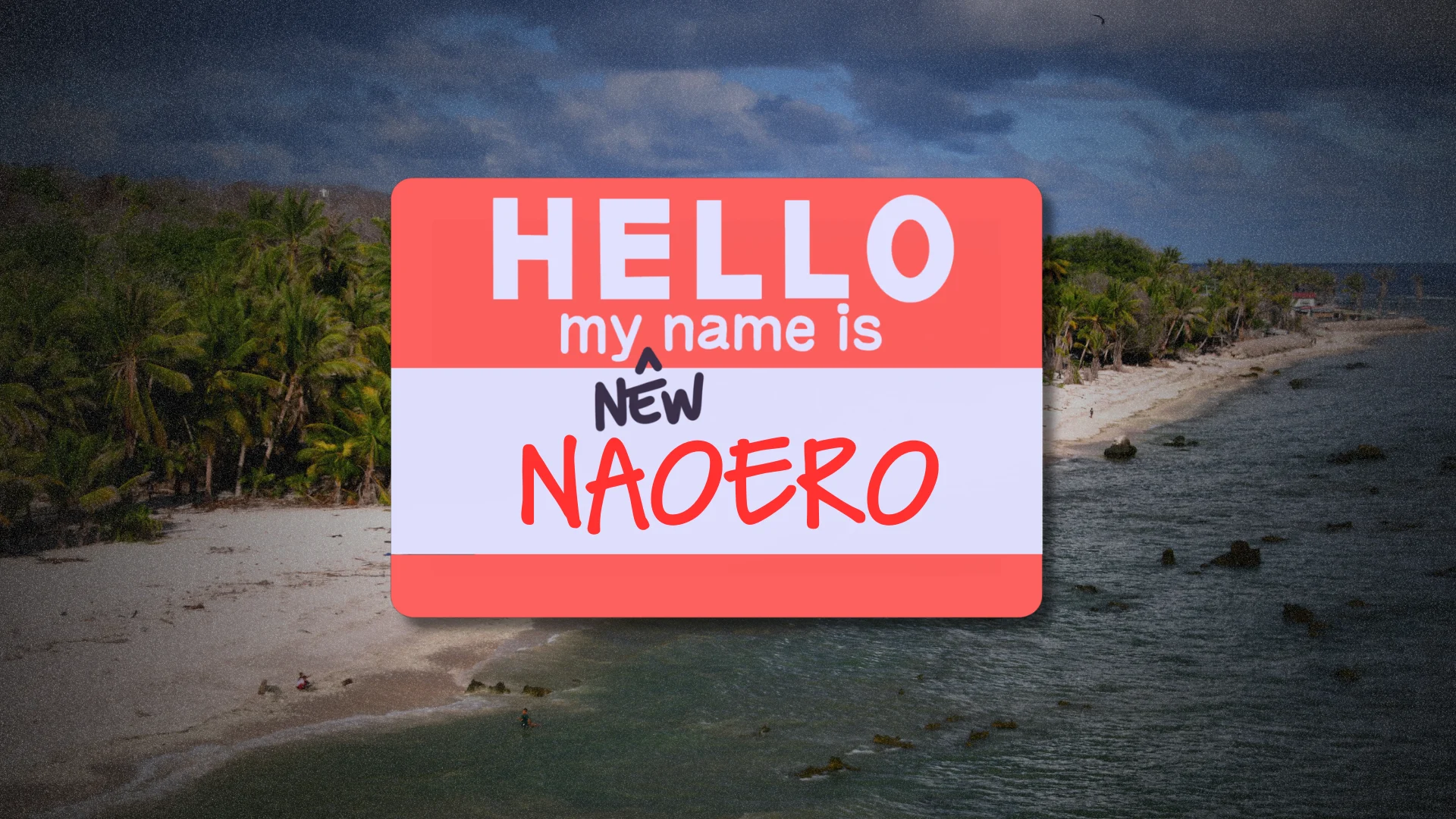
Nauru has a new name on the world stage.
The tiny island nation in the southwestern Pacific Ocean joins a long list of countries that have officially changed their name over the centuries.
DON’T MISS: The bizarre stories behind the most unusual names on the map
Nauru is now Naoero
“Nauru is how our name sounded to those who found it hard to say, and the world kept it,” the country’s president told a meeting of the United Nations on Sept. 22.
It’s Naoero, he said, adding that it’s not so much a name change as it is an affirmation of a truth his people have known for generations. The country’s government made the change official on Aug. 1.
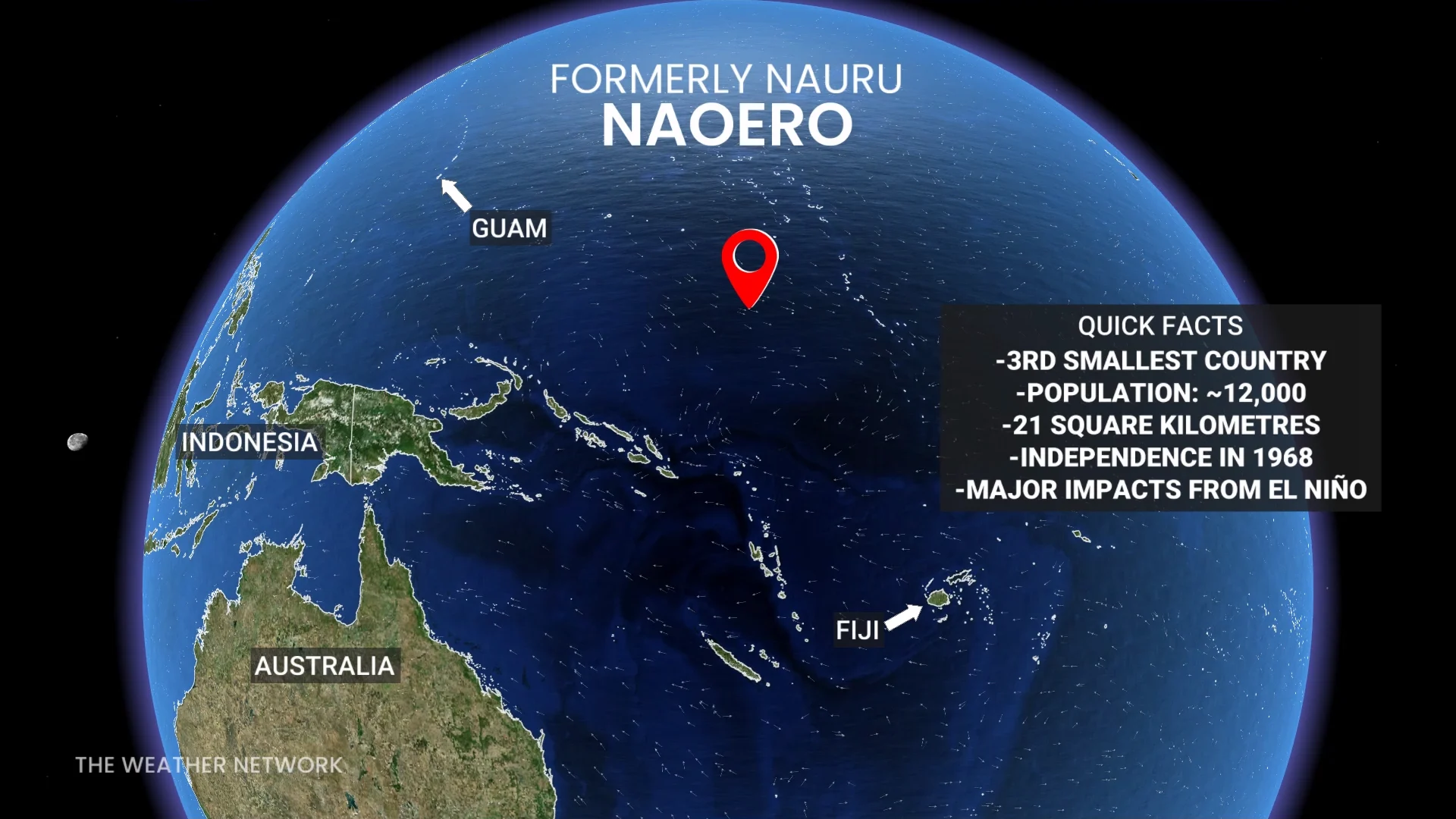
The island in the southwestern Pacific measures just 21 square kilometres in size and only has around 12,000 residents. Both of these metrics make it the world’s third-smallest independent country.
Naoero gained its independence in January 1968. Most of the population lives on the island’s western shores; large swaths of the island’s interior was strip-mined for phosphate until the resource largely ran out in the 2010s.
Countries change names for many reasons
The eloquent speech delivered by the president of Naoero shows how names can serve as an important source of identity and pride for a country and its people. Many countries have more than one name used concurrently.
Official names are more for governments than everyday people. Hardly anyone calls the Democratic People's Republic of Korea anything but North Korea. The Lao People’s Democratic Republic is almost always shortened to Laos outside of official proceedings.
The vast majority of name changes are related to the official language of the nation.
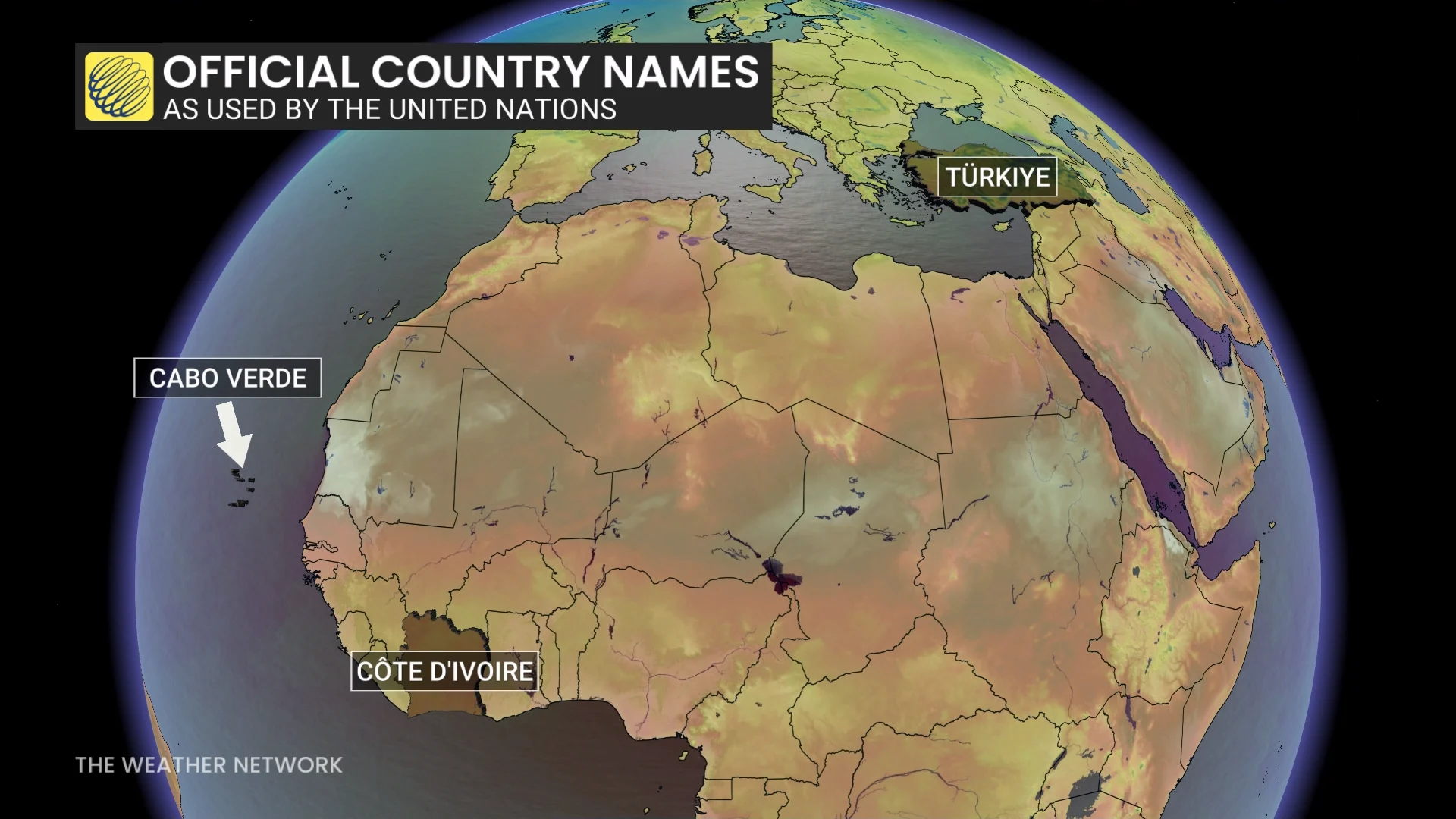
Turkey notified the UN that it wanted to go by Türkiye starting in 2022, reflecting the country’s name in the Turkish language. It’s for the same reason that Ivory Coast and Cape Verde are officially Côte d'Ivoire and Cabo Verde, respectively.
These names don’t always stick in other languages. Germany is a fantastic example of a country that has many different names in different languages: Deutschland (German), Allemagne (French), Tyskland (Norwegian/Swedish), Niemcy (Polish).
Other changes arise from a deeply complex web of geopolitical history. Siam became Thailand in 1949. Burkina Faso was known as Upper Volta until the early 1980s. Yugoslavia’s dissolution in 1992 brought about six individual countries.
When and where could we see the next country change its name? Look south for one example. An ongoing movement advocates changing New Zealand’s name by replacing or appending it with the traditional Māori name Aotearoa.