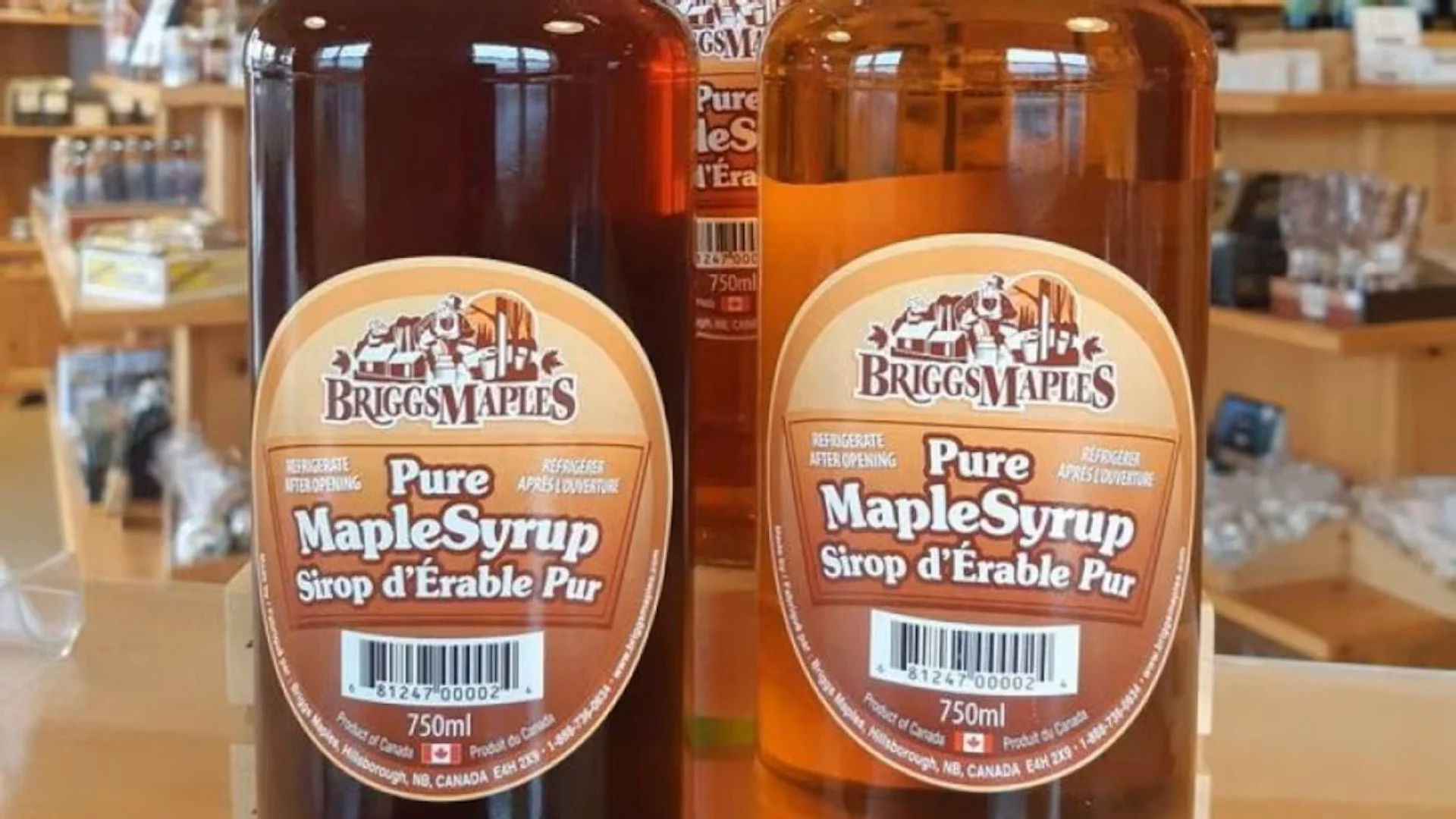
Concerns over less maple sap this year due to 2025 drought: N.B. harvesters

Last year's drought conditions depleted groundwater levels in parts of New Brunswick, leaving some maple harvesters concerned about what it could mean for this season's yield.
Less rain and hotter than usual temperatures in 2025 made many wells and streams go dry.
David Briggs, owner of Briggs Maples in Hillsborough, said less groundwater or sunlight means less photosynthesis for his maple trees, which then translates to reduced sap production
But heat also helps trees produce more sugar, he said.
"Maybe the sap will be sweeter this year, because there is a lot more sunlight… but maybe less of it because of the lack of rainfall,” said Briggs.
"There is so many factors involved that it's just too hard to tell at this point of what to expect.”

David Briggs says there isn't a way to look at a tree and judge the amount of sap it will produce. (David Briggs)
Briggs said there isn't a way to look at a tree and judge the amount of sap it will produce.
"You can't predict whether the tree will have a good year or not. Maybe science some day, down the road will give us that capability," Briggs said.
People in his area had their wells drilled deeper, and some even ran dry in 2025, he said.
Briggs said the case may very well be the same with the groundwater level at his maple farm, but there is no way to confirm.
He said trees pump out sap through pressure created by the freeze-thaw cycle and temperatures have also not been consistent due to climate change.
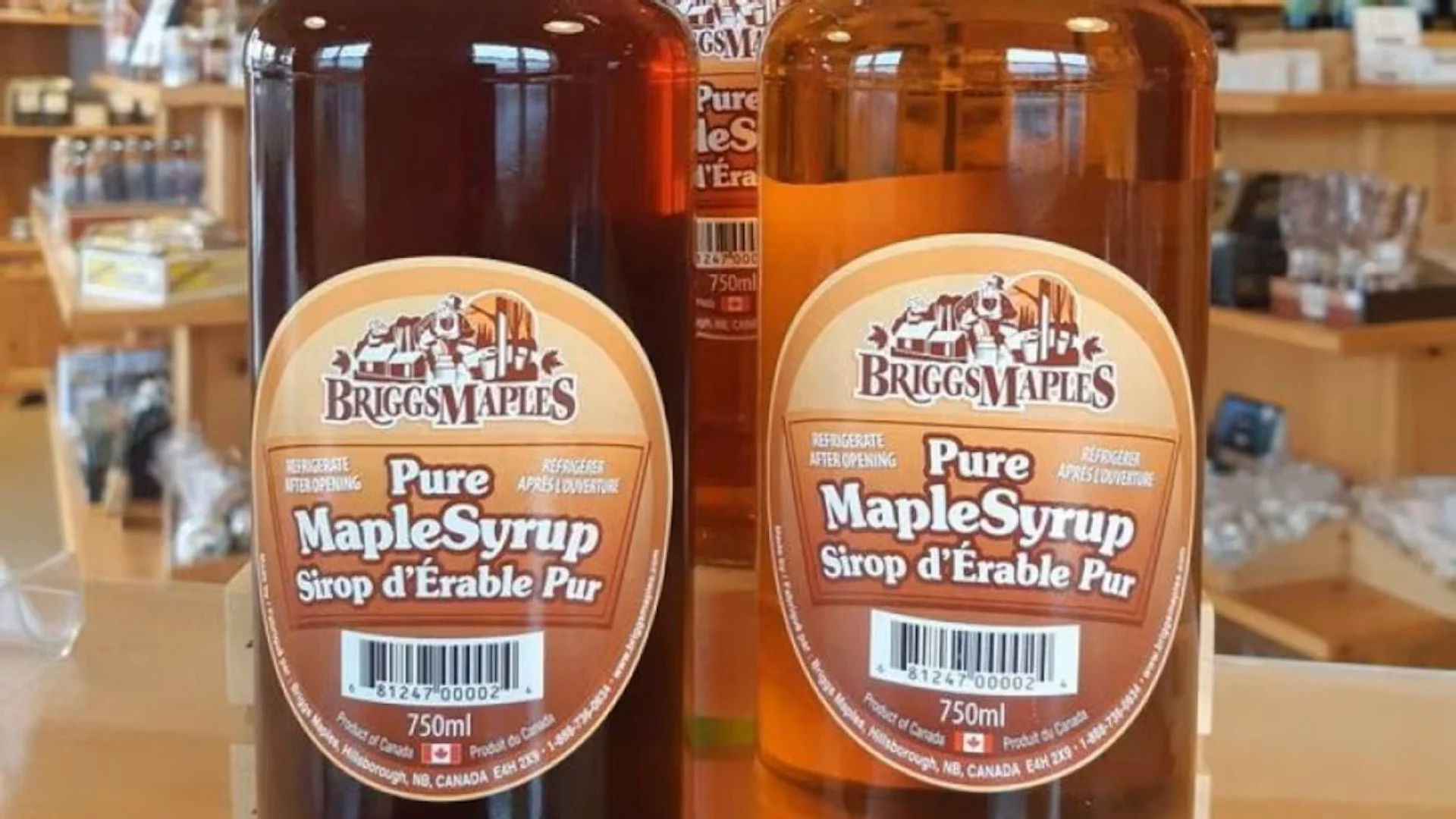
David Briggs is worried last summer's drought conditions might result in less sap being harvested this season. (David Briggs)
He added he's noticed milder winters and warm spells during winter as well.
"That's going to affect the sap flow and yield in the end, for sure," he said.
The shift in seasons has also changed the time of tapping maple trees each year, he added, as sap begins to flow when the temperature warms.
People now begin harvesting in mid- or even early February, when once the season started around March, Briggs said.
"You basically better, you know, drill your holes and have the taps ready, and be ready when the temperatures start to warm up," he said.
Jane Scott, co-owner of Dumfries Maples near Nackawic, said some of the streams at her farm have had a significant drop in water levels.
"I'd say this past summer, water levels were unusually low as compared to normal," she said.
"We started to wonder how that would affect our upcoming maple season and if that would have a detrimental effect or not."
Her family has been harvesting maple for more than 25 years and she said she’s also witnessed the season's shift. But the only time to know if her crop was affected by the drought will be at the end of the season.
"We're hoping that it doesn't, but we sort of have that in the back of our mind," said Scott.
Thumbnail courtesy of David Briggs via CBC.
The story was originally written by Rhythm Rathi and published for CBC News.