
'World at risk' 10 years after Paris climate deal, experts warn
Berlin (dpa) - Ten years after the landmark Paris climate agreement, scientists and environmental groups warn the world is far off track from its climate goals.
The agreement, adopted on December 12, 2015, by nearly 200 countries, commits nations to limiting global warming to well below 2 degrees Celsius, ideally to 1.5 degrees, above pre-industrial levels.
SEE ALSO: Climate change exacerbated Canada's summer heat waves: ECCC
Martin Kaiser, head of Greenpeace Germany, told dpa the Paris Agreement remained a global compass for climate policy but said it would only stay relevant if major economies, particularly the G20, closed the gap between ambition and action.
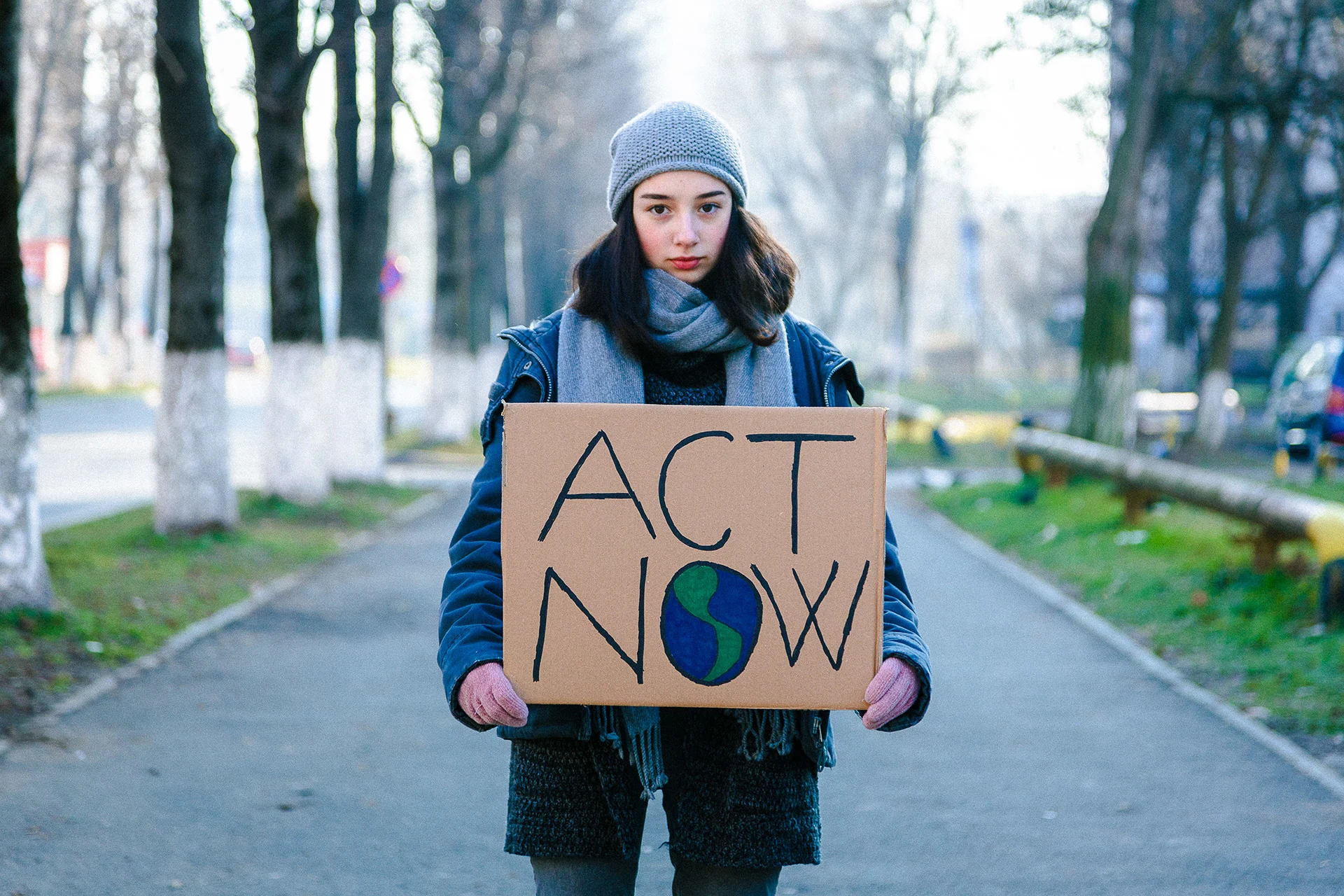
(coldsnowstorm/ E+/ Getty Images)
Kaiser said the German government under Chancellor Friedrich Merz had a responsibility to steer the country back towards a 1.5-degree pathway.
But this was the opposite of what the government and the conservative bloc were pursuing in Brussels under the guise of modernization and deregulation, he said.
Kaiser said immediate measures in the transport, buildings and land-use sectors would be needed to bring Germany back on course.
"Climate protection is not a burden," he said, "but the foundation for freedom, security and prosperity in the future."
Johan Rockström, director of the Potsdam Institute for Climate Impact Research (PIK), said many had left the 2015 Paris summit with a sense of relief. "Today, a decade later, we must acknowledge that we have failed so far," he said.
Despite advances in renewable energy and electric mobility, global emissions continue to rise, Rockström said.
"Global warming is accelerating, the oceans are heating up faster than expected, and important ecosystems such as tropical coral reefs are approaching critical tipping points," he added.
Exceeding the 1.5-degree threshold is now unavoidable, he said, warning that this "puts the world at risk."
The only remaining hope, he added, is "that the world recognizes this failure and the risks associated with it – and acts accordingly."
Thumbnail courtesy of Mohammad Dehdast/dpa via Reuters Connect.
