Study finds hidden lake network under Arctic glaciers as climate change advances

Researchers have identified 37 subglacial lakes beneath glaciers in Canada's Arctic, 35 of them previously unknown, revealing a hidden water system that could help scientists better understand how glaciers move and lose ice.
Scientists say knowing where the lakes are, and how they fill and drain, could improve our understanding of how quickly glaciers are melting and sea levels are rising. The lakes form a complex network of interconnected water bodies flowing beneath the ice, largely hidden until now.
SEE ALSO: Arctic may see single occurrences of ice-free days sooner than predicted
The lakes identified in the new study are mostly small, ranging from 0.3 to 15 square kilometres, and they fill up over the course of multiple years. When they drain, though, it can happen relatively quickly — within a year, sometimes in a few months.
In some cases, the rapid drainage of a subglacial lake caused the glacier's surface to drop by more than 100 metres in just three to four months, said study co-author Wesley Van Wychen, an associate professor at the University of Waterloo.
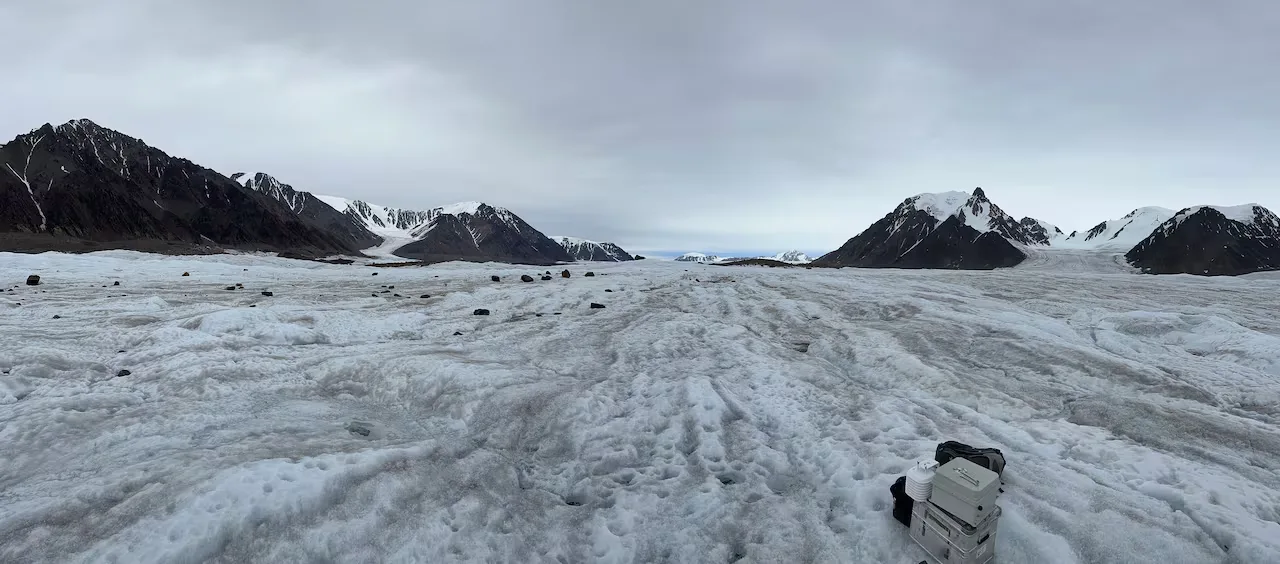
A University of Ottawa research teams sets up equipment at a glacier in Canada's Arctic, the site of one of the subglacial lakes identified in a new study. (Luke Copland/University of Ottawa)
Where the water that fills the lakes comes from is not well understood, but Van Wychen said it could come from the glacier surface. Meltwater can seep through crevices and channels in the ice and collect in lakes beneath it.
"Will these lakes fill and drain more often as temperatures get warmer in the Canadian Arctic? Understanding where water is beneath glaciers is really important in terms of understanding potential changes," said Van Wychen.
Climate change is speeding up glacier melt across the Arctic. If that water is flowing through subglacial networks and into the ocean, scientists say it could affect how quickly sea levels rise.
How can this improve glacier science?
Van Wychen, whose research focuses on using remote sensing methods to study glaciers, collaborated with scientists in Taiwan, Japan and the U.K. on this study.
They relied on data collected by ArcticDEM, an initiative hosted by the University of Minnesota that gathers high-resolution imagery of the Arctic, allowing researchers to study changes in glaciers in unprecedented detail.
Using that data, researchers measured changes in glacier surface elevation, from which they could infer the presence of subglacial lakes and whether they were draining and refilling.
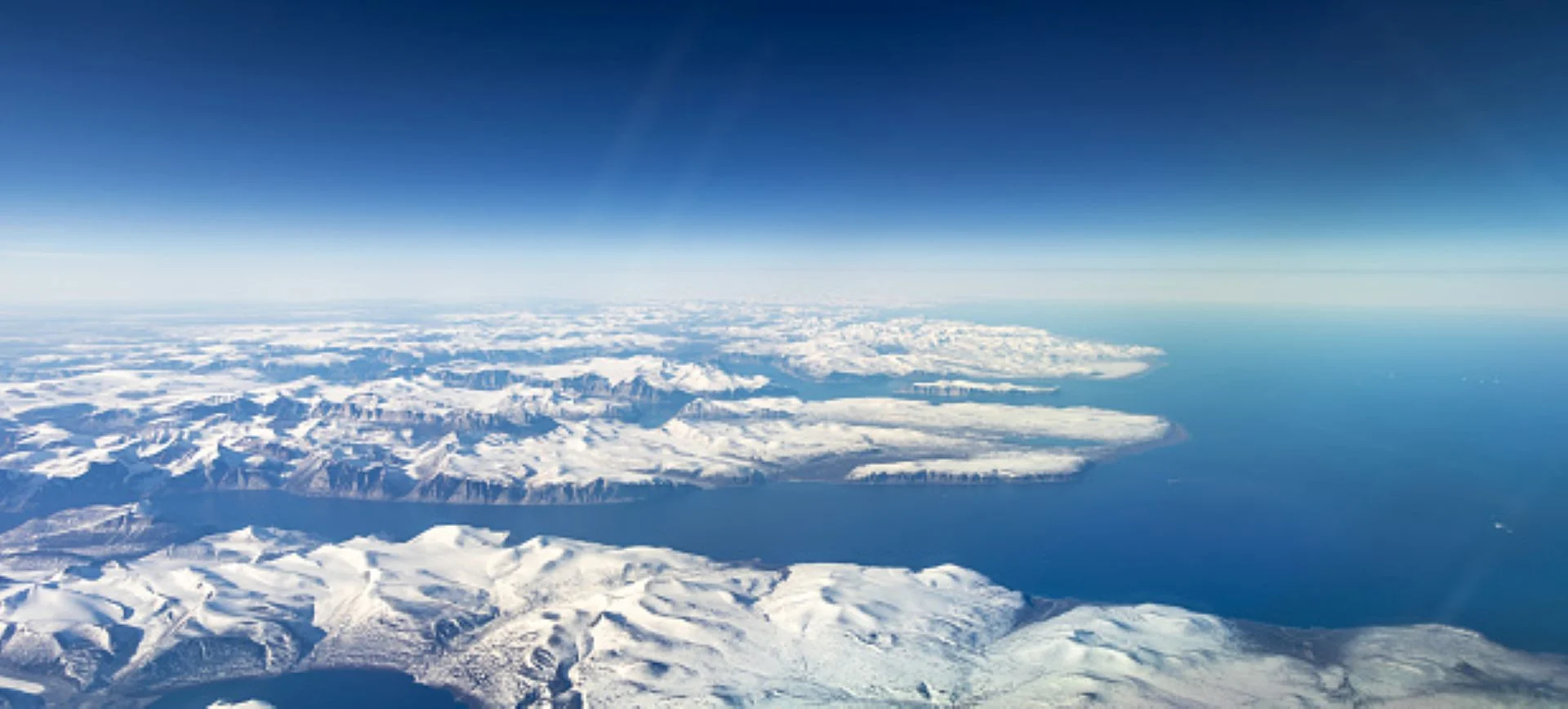
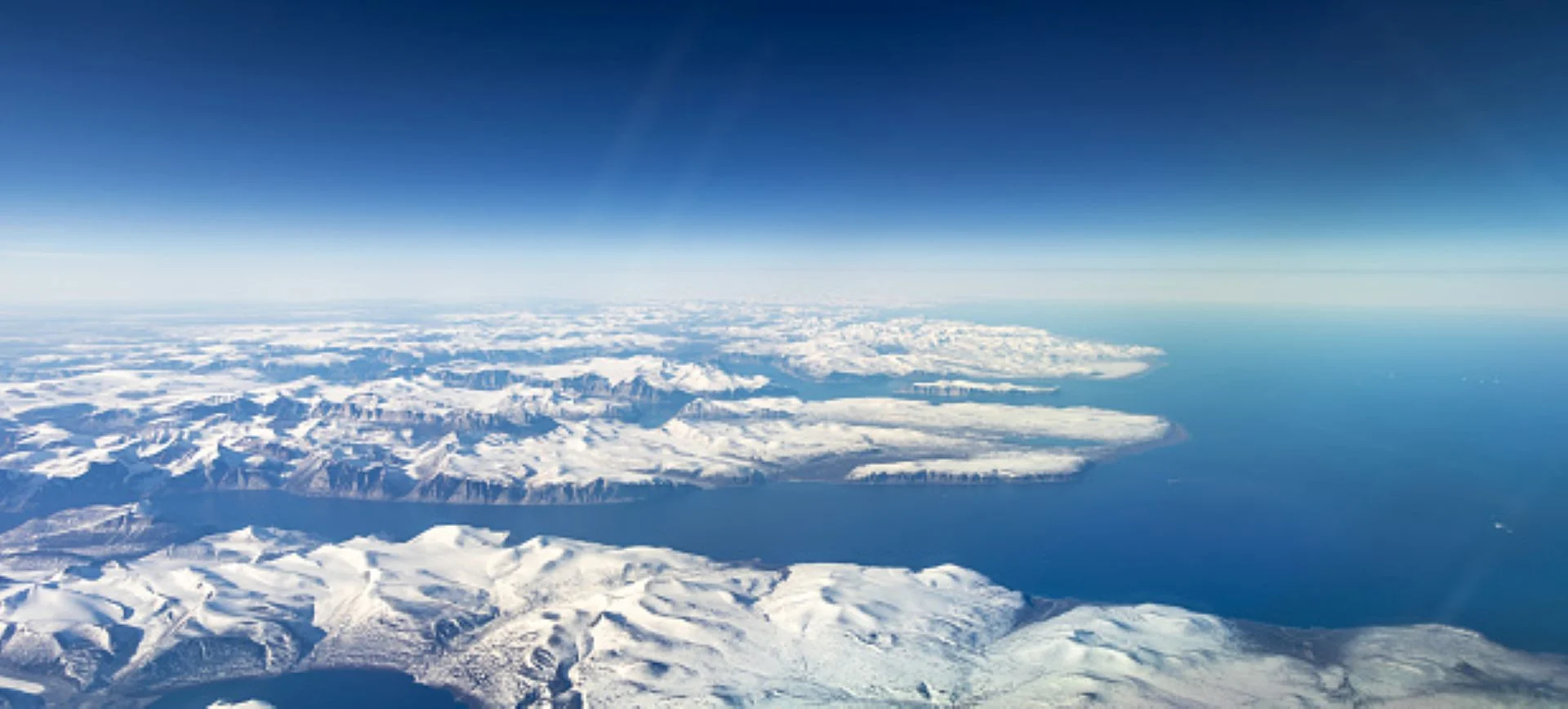
(Getty Images/Thomas Roell/2235715105-170667a)
Shawn Marshall, a research scientist at Environment and Climate Change Canada who was not involved in the study, said the discovery of the lakes is likely just the start. More could be found in the coming years, given the hundreds of subglacial lakes already known in Greenland and Antarctica.
There is still a gap in understanding between the glacier melt scientists can measure and how much water is actually reaching the ocean and contributing to sea level rise, Marshall said, because some of the meltwater refreezes inside the ice.
Further research using the new data on subglacial lakes could help connect those dots and improve projections of sea level rise linked to climate change.
Van Wychen said a research team at the University of Ottawa has already used the new data to conduct fieldwork and take measurements at one of the lakes, which is currently slowly filling with water.
"The hope is in a few years we'll have a really good data set collectively to kind of understand what's happening," Van Wychen said.
Thumbnail courtesy of Getty Images/Thomas Roell/2235715105-170667a.
The story was originally written by Inayat Singh and published for CBC News.
