How one company is creating sustainable cooling in a hotter world

A new technology has emerged that makes air conditioning more efficient, using advanced materials to create a more sustainable and cost-effective, climate-control solution.
In a warming world, staying cool is becoming more critical to one's health.
But keeping cool in many communities often requires the use of air conditioning, which can account for some of the world's greenhouse gas emissions--approximately three per cent, according to 2024 research.
While that tally doesn't seem high--especially compared to other emission sources--it still warrants ideas on how to reduce the carbon footprint of cooling units as they are a hot commodity on a planet that is continuing to heat up.
SEE ALSO: Climate change exacerbated Canada's summer heat waves: ECCC
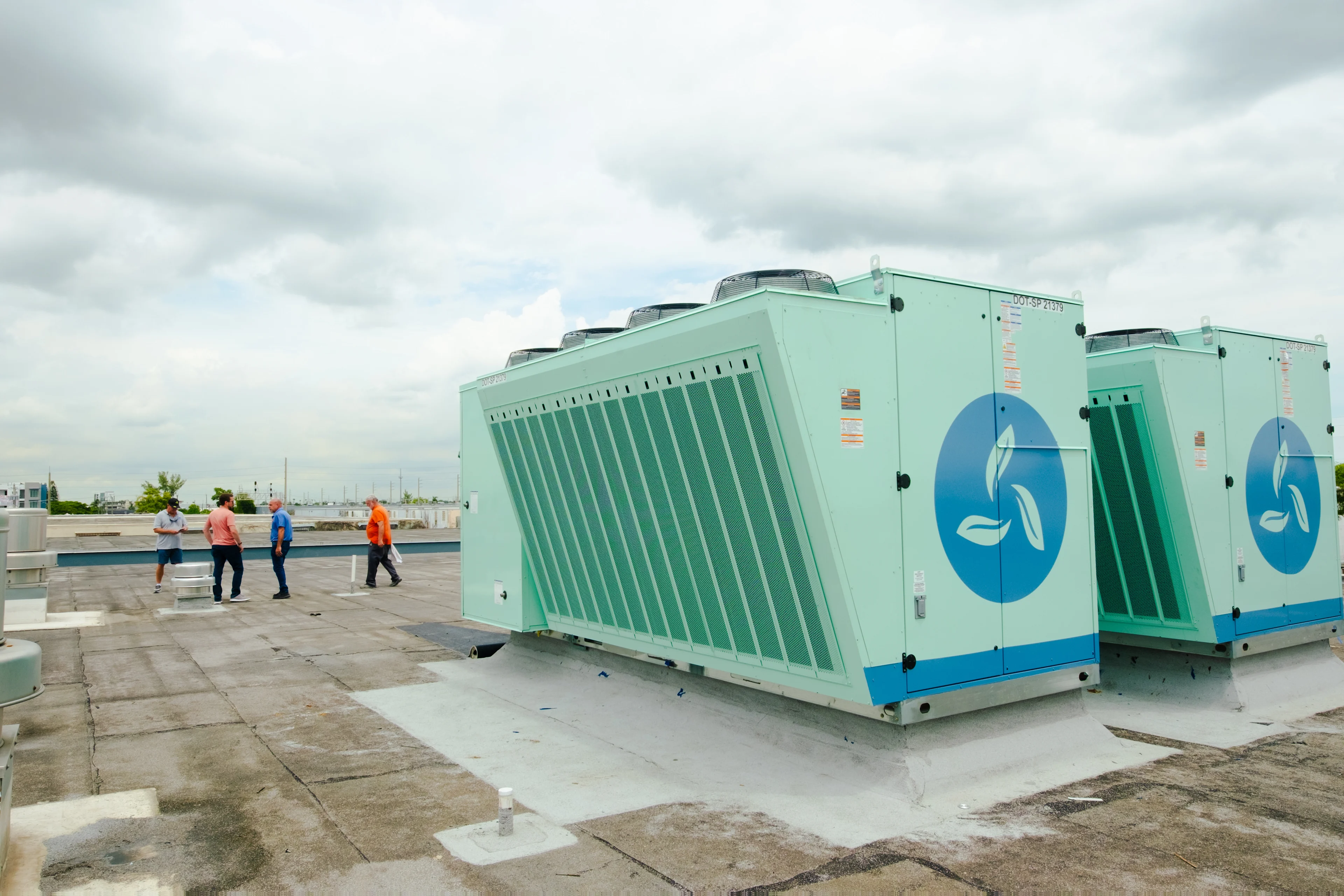
That's where Transaera comes in. While traditional air conditioners will expel a lot of energy by overcooling air to drain the moisture, Transaera uses metal-organic frameworks to pull water from the air before cooling even begins.
The result is lower operating costs, a smaller carbon footprint, and healthier spaces for people to live comfortably, according to the company.
(Transaera/Submitted to The Weather Network)
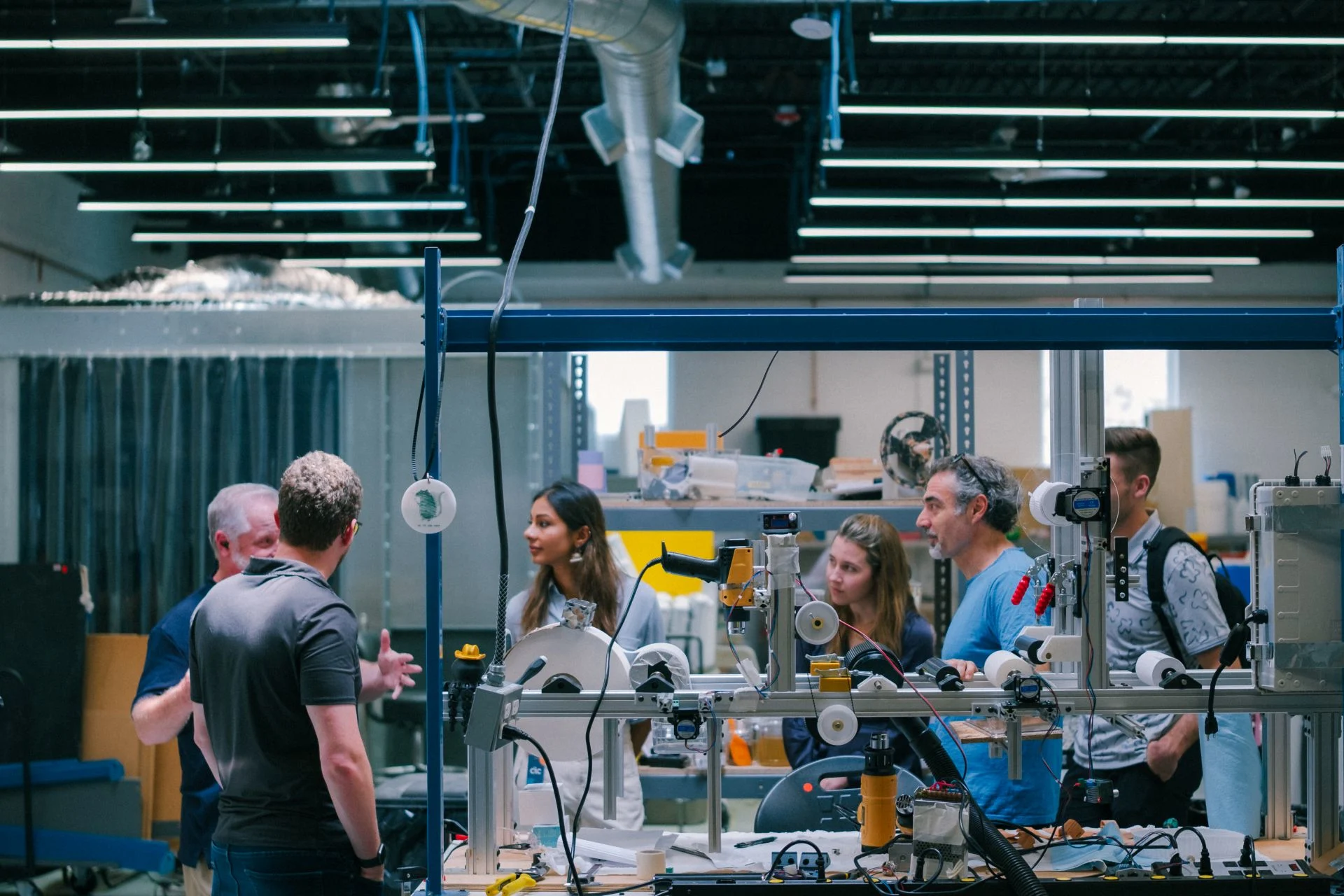
Sorin Grama, CEO of Transaera, said the company is "revolutionizing the air movement," a critical source for it.
"Basically, we are developing a new generation of air conditioning systems that are much more efficient, [and] can produce more comfort at a more affordable level," said Grama, in a recent interview with The Weather Network.
"We're starting with commercial buildings in the United States, also possibly Canada. But we have ambitions [with] seeing this technology, our technology, being incorporated in air conditioners throughout the world. This is a global solution to a global problem."
Transaera nearly twice as efficient: Grama
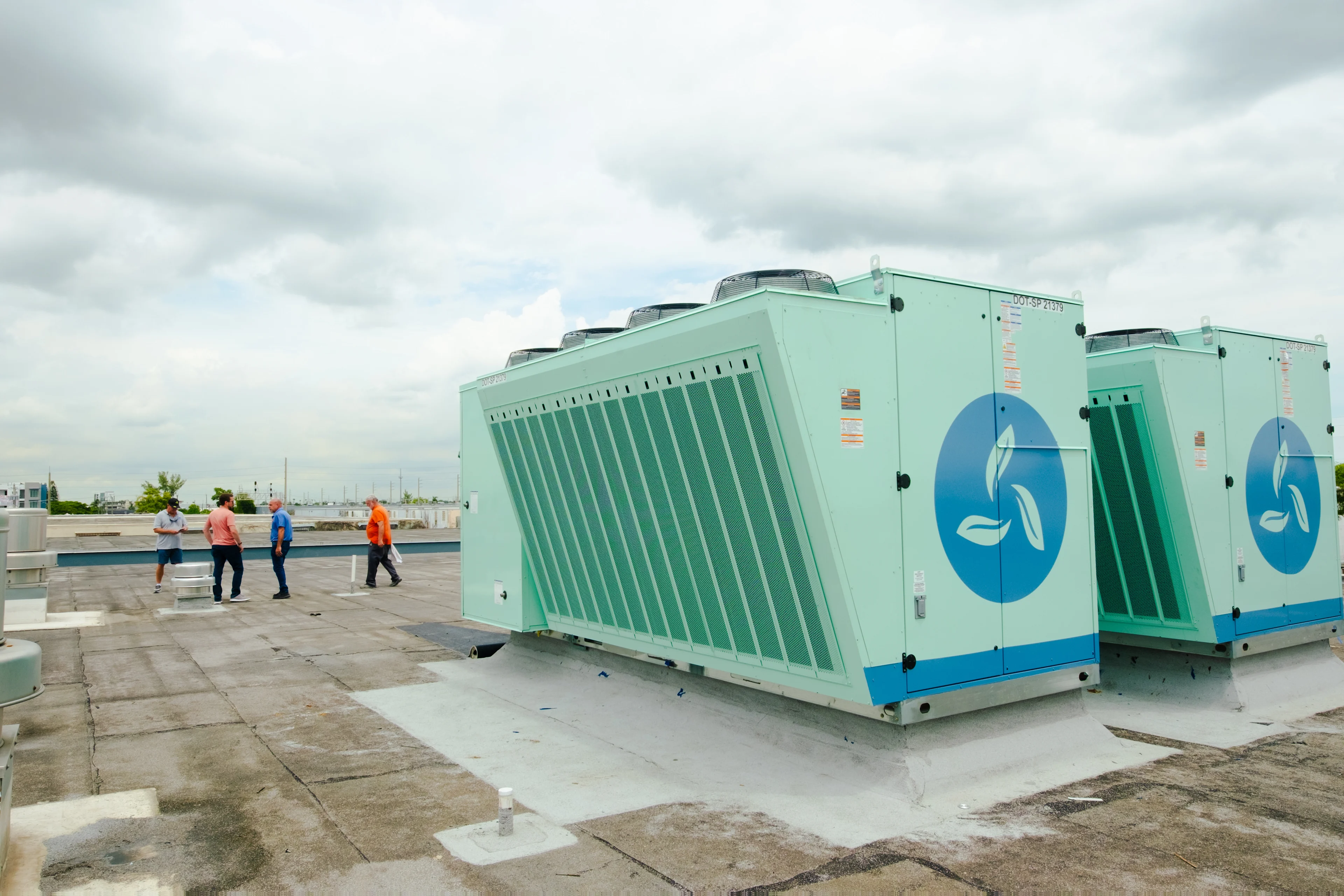
Grama noted that its air conditioning is roughly two times more efficient than traditional units. Transaera does that by addressing "the most important part of air conditioning," which is humidity.
(Transaera/Submitted to The Weather Network)
"Dehumidification is an essential part of air conditioning. It's often not considered or not thought about because you don't have a way to set the humidity level in a room. You typically set the temperature, but the humidity matters to comfort just as much as temperature," said Grama.
Despite the hot temperatures you may be experiencing during a summer day, humidity is the reason you "feel miserable on a hot, humid day in Miami, but you feel OK in [the] same temperature, but a dry day in Arizona or in Canada," said Grama.
With humidity a pressing concern in the heat, Transaera technology tackles it "first and foremost, and that's how we achieve this high efficiency," Grama said.
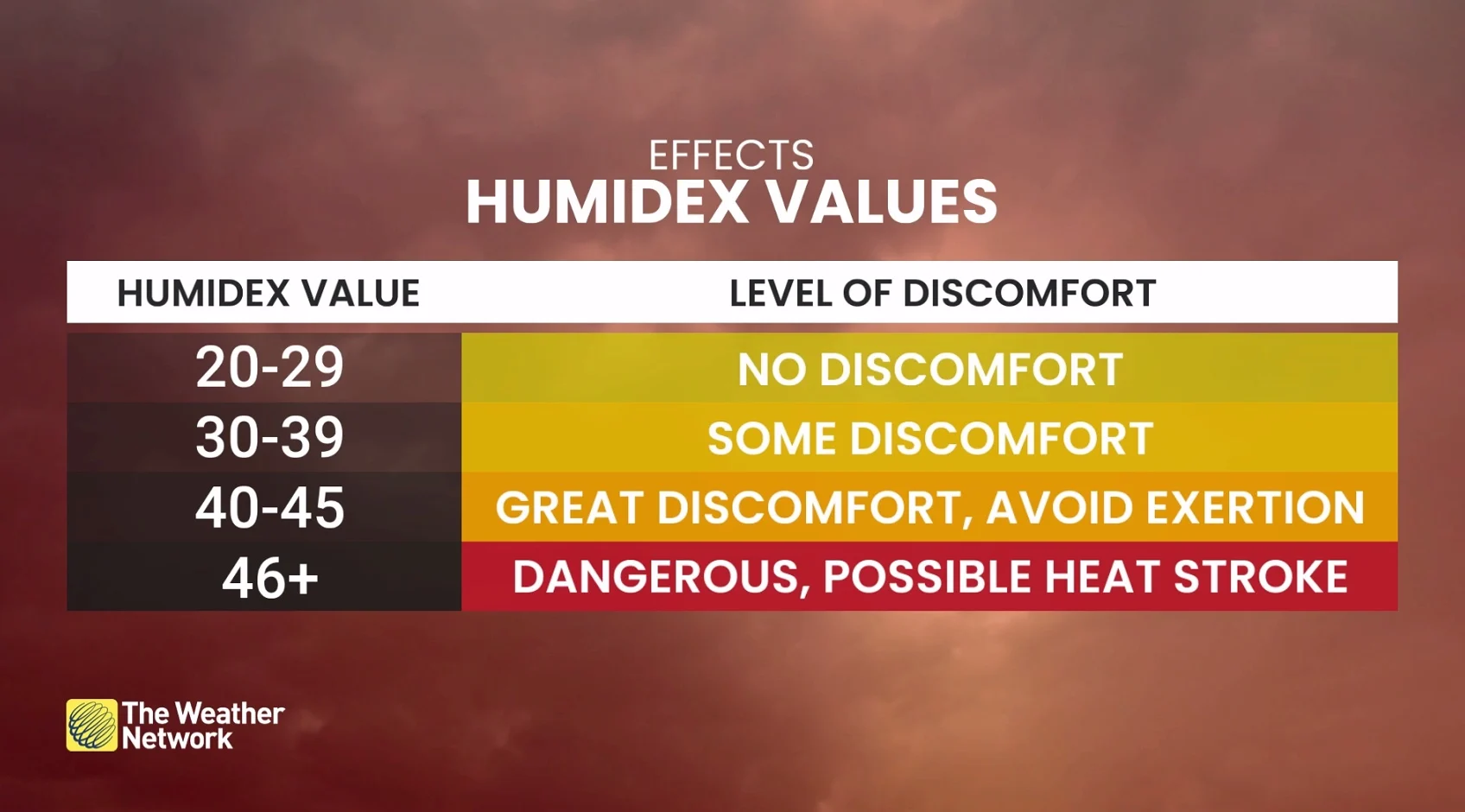
"We look at the comfort levels for humans, but 80 per cent humidity is a miserable condition. Bringing that down to 50 per cent is much more [suitable], and then even lower, [bringing it down to] 30 or 40 per cent. But you don't want it too dry, obviously, because that has its own problems," said Grama.
WATCH: Common A/C myths that could be costing you money
How its carbon footprint is calculated
The way Transaera calculates its carbon footprint is based on the intensity of the electricity that is consumed, Grama said.
So, if people consume half as much electricity, perhaps 40 per cent to 50 per cent less, that means Transaera's unit generates an equal percentage in less carbon than a conventional air conditioner, he added.
"If you look at the carbon footprint of a kilowatt hour of electricity, that's how we would measure it," said Grama.
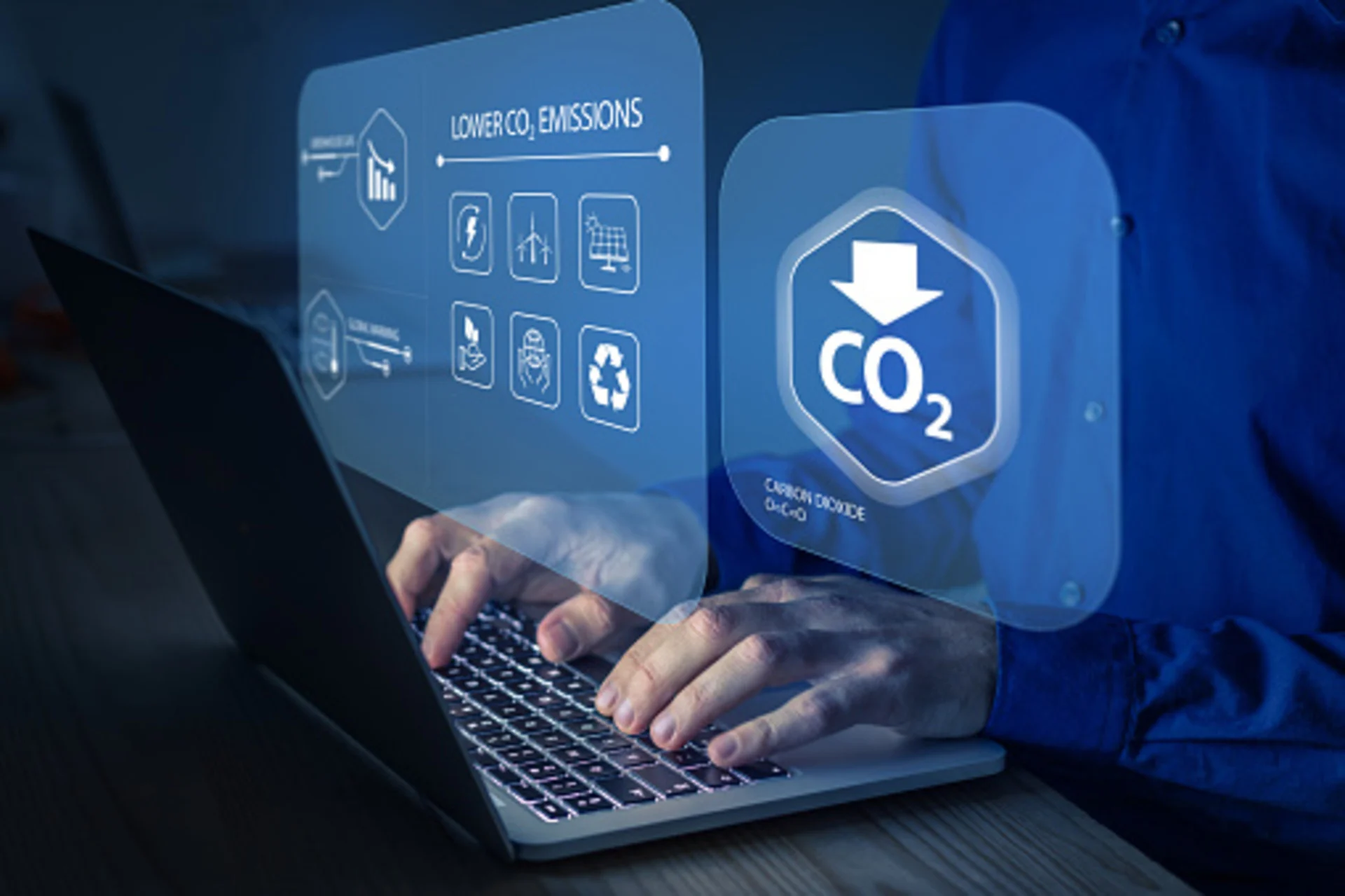
(Getty/NicoElNino. Creative #: 1383854915. Collection: iStock / Getty Images Plus.)
He said the need for a more environmentally friendly, cooling model is becoming "even more imperative" because much of the demand for electricity is coming from artificial intelligence (AI) data centres.
"You see how we see how the grid is stressed. It's reaching capacity in many places, and so one of the best and most effective ways to free up some of that capacity is by consuming less energy, reducing consumption," said Grama.
"[That] means increasing efficiency, and that's where a high-efficiency air conditioner plays an important role in today's world."
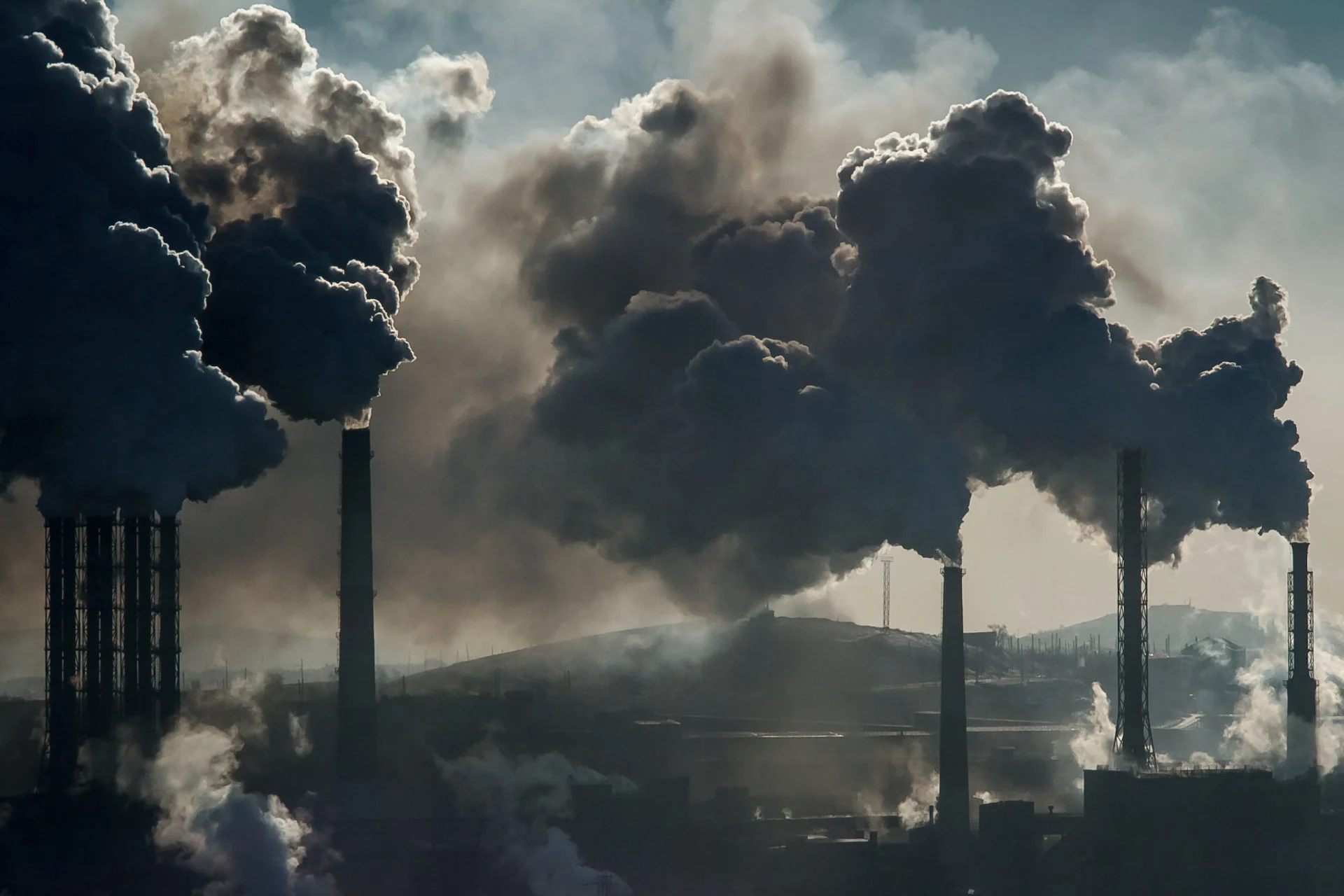
(Максим Шмаков/ iStock/ Getty Images Plus)
Burning fossil fuels is just "to cool ourselves" appears to be a "very inefficient way of doing things," Grama said.
"It's really important that we find ways to optimize the way we do things, like air conditioning, for example. It hasn't changed in 100 years. The way we cool air is this very inefficient way of doing it, by overcooling the air in order to draw the moisture out," said Grama.
"That's why you see air conditioners dripping water on the sidewalk if you walk by an apartment. All that water is the humidity that's been condensed or turned into water, and then thrown away. That's basically energy that's wasted."
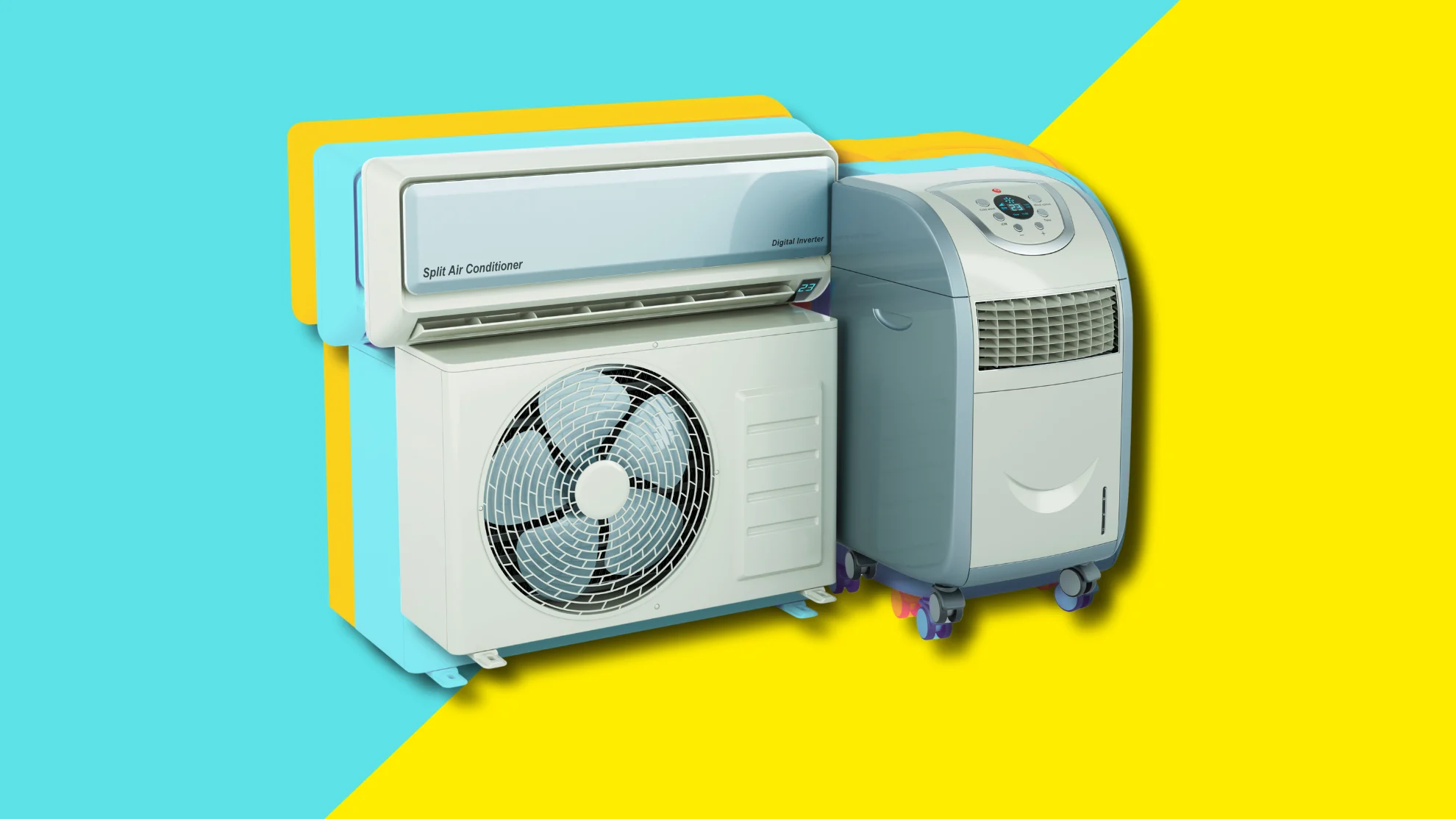
(CANVA)
The Transaera CEO said rethinking air conditioners with new science and materials, along the lines of what the company is doing, is "the right approach."
"That's why we think it's going to become the next standard for air conditioning in the coming centuries."
Thumbnail courtesy of Transaera.
