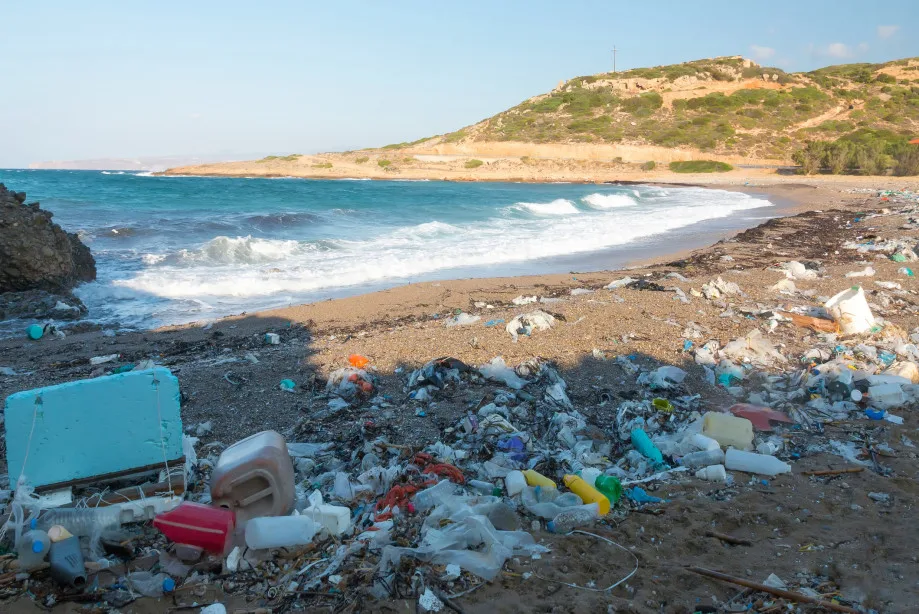
Double trouble: How one major environmental crisis is magnifying another

Earth's growing amount of plastic pollution can be amplified by climate change, with a recent study highlighting the ways extreme weather conditions can further spread and expose the toxic pollutant in our natural environment
Two of the world's biggest environmental problems are already significant threats individually, but a recent study says they can be much more problematic for the planet's ecosystems when they act as "joint co-stressors."
The November 2025 study published in Frontiers in Science indicated that extreme weather resulting from climate change can make plastics more mobile, persistent and hazardous.
DON'T MISS: Carbon's hidden superpower: How extreme warming can trigger an ice age
Plastic pollution's reversible nature can be converted into a "poorly" revertible contaminant as a result of extreme conditions caused by climate change, researchers said in the study.
Extreme weather such as heat can "exacerbate the abundance, distribution, exposure, and impacts of plastics and associated chemicals in our waters, soils, biota, and atmosphere."
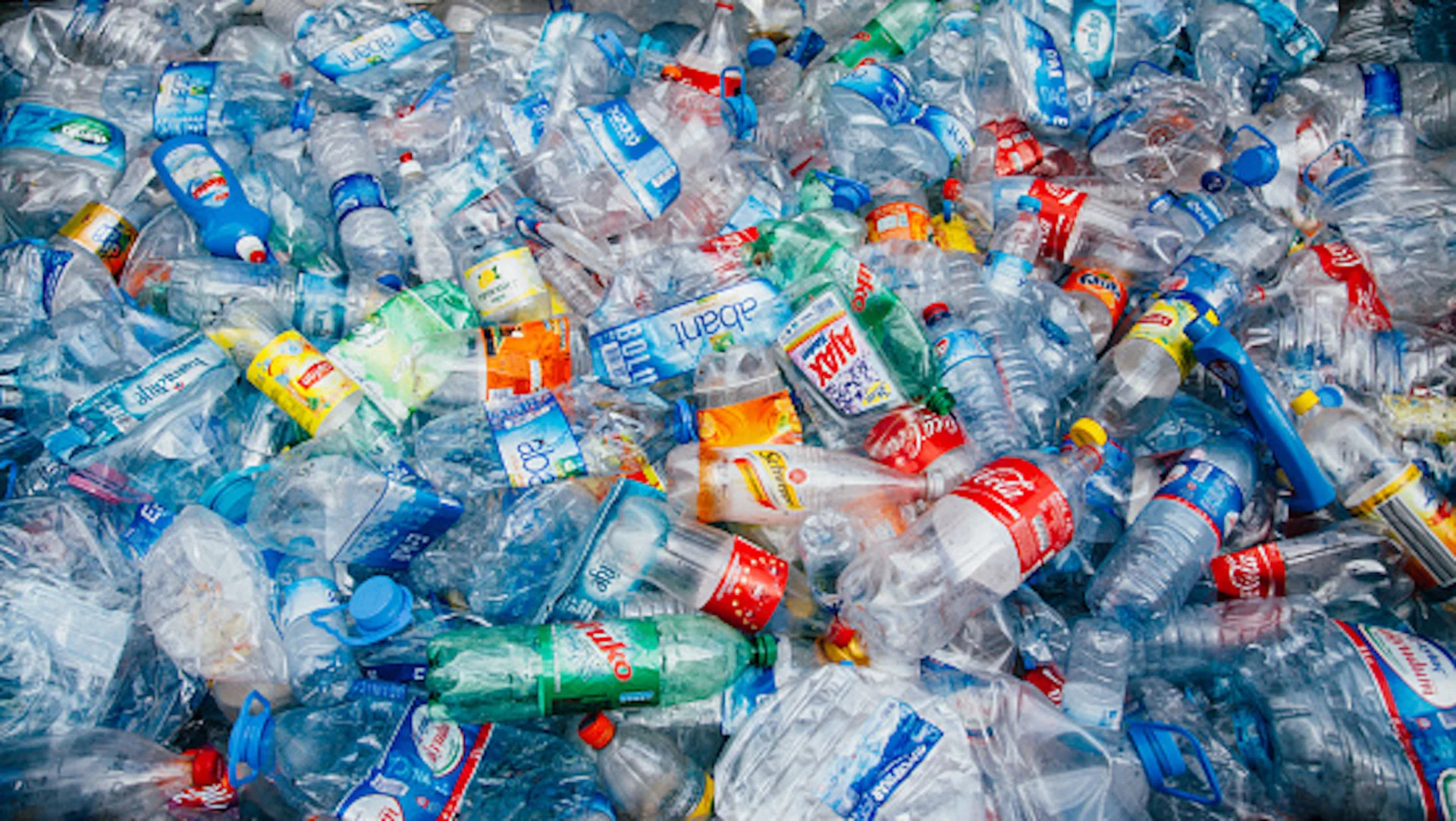
(Getty Images/Sami Sert/629554844-170667a)
“Plastic pollution and the climate are co-crises that intensify each other. They also have origins, and solutions, in common,” said Frank Kelly, lead author and professor at Imperial’s School of Public Health, in a news release.
“We urgently need a co-ordinated, international approach to stop end-of-life plastics from building up in the environment.”
How extreme weather can worsen plastic impact
Extreme heat and plastic pollution are having tremendous effects on the environment and our health.
Climate change can then enhance the pollutant's negative effects by speeding up the breakdown of plastics into microplastics, pushing them considerable distances and, in the process, elevating the exposure and impact within the environment, the study says.
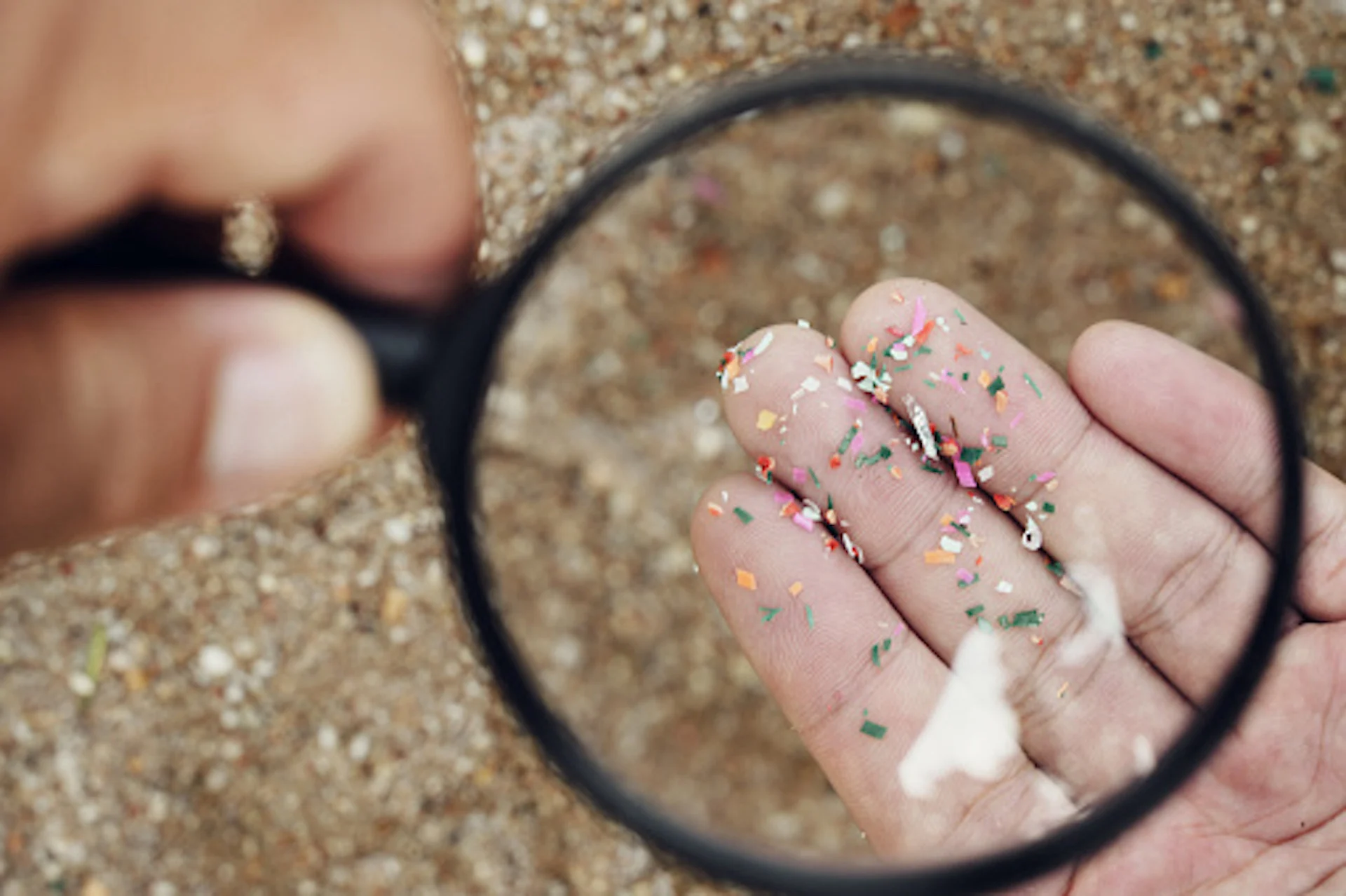
(Getty Images/Sansert Sangsakawrat/1393825220-170667a)
In particular, the authors cited rising temperatures, humidity and ultraviolet ray exposure as specific conditions that can amplify the plastics breakdown.
As well, extreme storms, floods and winds can cause the fragmentation and dispersal of plastic waste--with approximately 5.443 billion metric tonnes (and rising)--into landfill, aquatic and terrestrial ecosystems, atmospheric environments, and food webs, the authors said.
WATCH: Essential Arctic algae found littered with microplastics
“There’s a chance that microplastics, already in every corner of the planet, will have a greater impact on certain species over time. Both the climate crisis and plastic pollution, which come from society’s over-reliance on fossil fuels, could combine to worsen an already stressed environment in the near future,” said Stephanie Wright, co-author and associate professor at Imperial’s School of Public Health, in a news release.
Authors want 'rational response' to tackle plastic, global warming
A thorough examination of current evidence shines a spotlight on how the climate crisis is deepening the negative impact of plastic pollution.
So, researchers are calling for a "rational response" to address the pollution at source, by quickly and significantly reducing emissions that enter the environment.
"We discuss challenges but also solutions, through future research, policies and public awareness, that must harness the same enthusiasm that made plastic a fundamental cornerstone of the modern world in the first place," the authors said in the study.

(Getty Images)
"The threat that plastics produced, used and discarded today could cause global-scale impacts in the future is compelling motivation to take appropriate action now."
The researchers highlighted a need for the world to "rethink the whole approach" on using plastics.
By jointly addressing the intertwining impacts of plastic pollution and climate stressors, countries can find an effective plan to steer, co-ordinate and prioritize research and monitoring, as well as enact policy and action, researchers said.
“The future will not be free of plastic, but we can try to limit further microplastic pollution. We need to act now, as the plastic discarded today threatens future global-scale disruption to ecosystems," said Wright.
WATCH: Vintage plastic from Canada washes up in Scotland
Thumbnail courtesy of Nick Brundle Photography. Moment. Getty Images.
